

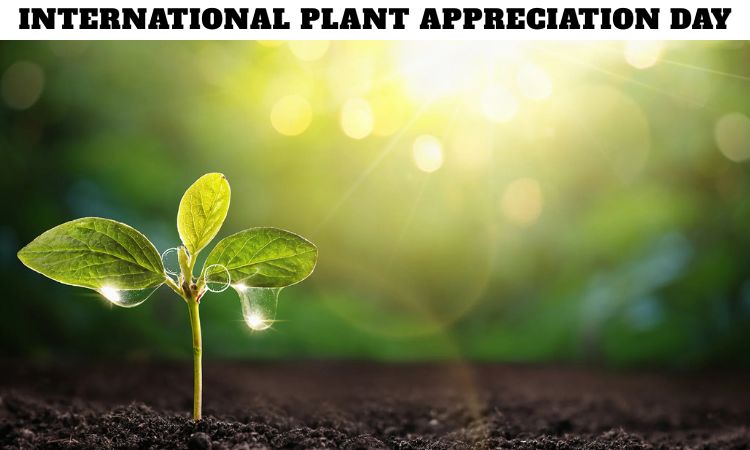
What is International Plant Appreciation Day and why is it celebrated on April 13?
International Plant Appreciation Day, observed annually on April 13, is a global occasion dedicated to recognizing the importance of plants in sustaining life on Earth. This day encourages individuals, communities, and organizations to appreciate the vital role plants play in maintaining ecological balance, supporting biodiversity, and enhancing human well-being.
The celebration serves as a reminder that plants are not merely decorative elements in our surroundings but are essential for survival. From providing oxygen and food to regulating climate and supporting ecosystems, plants are the backbone of life. International Plant Appreciation Day inspires people to reconnect with nature, adopt greener habits, and contribute to environmental conservation.
Why are plants essential for life on Earth?
Plants are fundamental to life because they perform photosynthesis, a process that converts sunlight into energy while releasing oxygen into the atmosphere. This oxygen is essential for the survival of most living organisms, including humans.
In addition to oxygen production, plants are the primary source of food for both humans and animals. Fruits, vegetables, grains, and nuts all originate from plants. They also form the base of the food chain, supporting herbivores and, indirectly, carnivores.
Plants also help regulate the Earth’s climate by absorbing carbon dioxide, a major greenhouse gas. Forests, in particular, act as carbon sinks, reducing the impact of climate change. Without plants, life as we know it would not exist.
How do plants contribute to environmental sustainability?
Plants play a crucial role in maintaining environmental sustainability. They help prevent soil erosion by holding the soil together with their roots. This is especially important in areas prone to landslides and desertification.
They also improve air quality by filtering pollutants and releasing oxygen. Urban green spaces, such as parks and gardens, significantly reduce air pollution levels and provide cleaner air for residents.
Furthermore, plants support water cycles by facilitating rainfall and maintaining groundwater levels. Wetlands and forests act as natural water filters, ensuring the availability of clean water.
By preserving plant life, we contribute to a healthier and more sustainable planet.
What are the different types of plants and their uses?
Plants are incredibly diverse and can be categorized into several types based on their characteristics and uses. These include:
- Flowering plants: Used for decoration, pollination, and food production
- Medicinal plants: Used in traditional and modern medicine
- Trees: Provide timber, shade, and environmental benefits
- Shrubs and herbs: Used in cooking, landscaping, and healing
Medicinal plants, for instance, have been used for centuries to treat various ailments. Many modern medicines are derived from plant compounds. Plants also provide raw materials for industries, including textiles, paper, and construction.
How do plants benefit human health and well-being?
Plants have a profound impact on human health and well-being. Indoor plants improve air quality by removing toxins and increasing oxygen levels. This can lead to better respiratory health and overall comfort.
Spending time around plants has been shown to reduce stress, anxiety, and depression. Gardening, in particular, is considered a therapeutic activity that promotes mental relaxation and physical exercise.
Plants also contribute to better nutrition. A plant-based diet rich in fruits and vegetables provides essential vitamins, minerals, and antioxidants that support overall health.
Why is biodiversity important in plant life?
Biodiversity refers to the variety of plant species in a given ecosystem. High biodiversity ensures ecological stability and resilience. Different plant species perform unique roles, from supporting pollinators to maintaining soil health.
Loss of plant biodiversity can disrupt ecosystems and lead to the extinction of other species that depend on plants for survival. Preserving biodiversity is essential for food security, medicine, and environmental balance.
International Plant Appreciation Day highlights the need to protect diverse plant species and their habitats.
How can individuals celebrate International Plant Appreciation Day?
There are many meaningful ways to celebrate this day and show appreciation for plants:
- Plant a tree or start a home garden
- Visit botanical gardens or nature parks
- Learn about native plant species
- Support environmental conservation initiatives
- Reduce the use of harmful chemicals that affect plant life
Even small actions, such as caring for indoor plants or reducing waste, can make a significant difference. The goal is to develop a deeper connection with nature and adopt sustainable practices.
What role do plants play in combating climate change?
Plants are one of the most effective natural solutions to climate change. Through photosynthesis, they absorb carbon dioxide and store carbon in their tissues and the soil. This helps reduce the concentration of greenhouse gases in the atmosphere.
Forests, grasslands, and wetlands are particularly important in this regard. Reforestation and afforestation efforts are widely recognized as key strategies for mitigating climate change.
By protecting and expanding plant life, we can significantly reduce the impact of global warming.
What are the threats facing plant life today?
Despite their importance, plants face numerous threats due to human activities and environmental changes. These include:
- Deforestation and habitat destruction
- Pollution and climate change
- Overexploitation of natural resources
- Invasive species
Urbanization and industrialization have led to the loss of natural habitats, putting many plant species at risk of extinction. Climate change further exacerbates these challenges by altering growing conditions and increasing the frequency of extreme weather events.
Addressing these threats requires collective efforts at individual, community, and global levels.
How can we protect and preserve plant life for future generations?
Protecting plant life involves adopting sustainable practices and supporting conservation efforts. Some effective measures include:
- Promoting sustainable agriculture and forestry
- Reducing carbon emissions
- Conserving natural habitats
- Supporting environmental policies and initiatives
- Educating others about the importance of plants
Governments, organizations, and individuals all have a role to play in preserving plant life. By working together, we can ensure a greener and healthier future for generations to come.
Frequently Asked Questions (FAQs)
1. What is International Plant Appreciation Day?
It is a day observed on April 13 to recognize the importance of plants and promote environmental awareness.
2. Why are plants important for humans?
Plants provide oxygen, food, medicine, and help regulate the climate, making them essential for human survival.
3. How can I participate in this day?
You can plant trees, care for plants, learn about plant species, or support environmental initiatives.
4. What is photosynthesis?
Photosynthesis is the process by which plants convert sunlight into energy and produce oxygen.
5. How do plants help in reducing pollution?
Plants absorb carbon dioxide and pollutants, improving air quality and reducing environmental damage.
6. What are medicinal plants?
Medicinal plants are those used to treat illnesses and are the source of many modern medicines.
7. Why is plant biodiversity important?
It ensures ecological balance, supports wildlife, and contributes to food and medicine security.
8. What are the main threats to plant life?
Deforestation, pollution, climate change, and habitat loss are major threats.
9. Can indoor plants improve health?
Yes, they improve air quality and can reduce stress and enhance well-being.
10. How can we protect plants?
By adopting sustainable practices, conserving resources, and supporting environmental conservation efforts.