

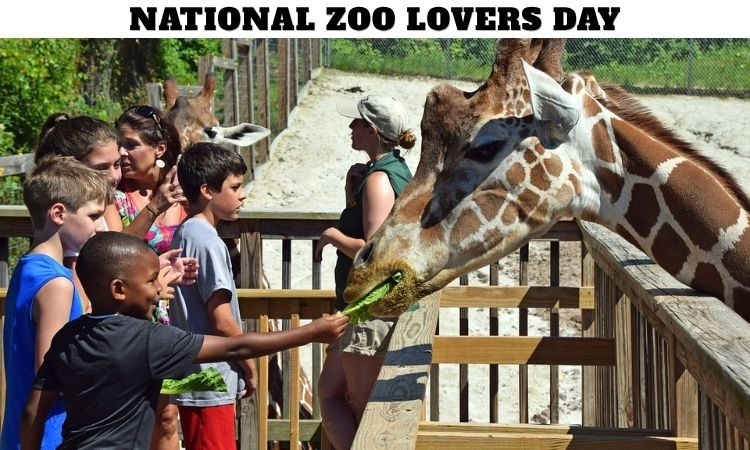
What is National Zoo Lovers Day, and why is it celebrated on April 8?
National Zoo Lovers Day, observed annually on April 8, is a special occasion dedicated to appreciating the role of zoos in wildlife conservation, education, and recreation. We celebrate this day to recognize how zoos provide a safe environment for animals, while also offering people an opportunity to connect with nature and learn about biodiversity.
This day encourages us to reflect on the importance of protecting endangered species and understanding the critical role zoos play in preserving wildlife for future generations.
What is the Purpose of National Zoo Lovers Day?
The purpose of this day extends beyond visiting zoos. It aims to:
- Promote awareness about wildlife conservation
- Encourage responsible and ethical tourism
- Highlight the importance of animal care and habitat preservation
- Inspire individuals to support conservation initiatives
We use this occasion to foster a deeper appreciation for the natural world and its diverse species.
How Do Zoos Contribute to Wildlife Conservation?
Modern zoos play a significant role in protecting endangered species. Their contributions include:
- Breeding programs for rare and threatened animals
- Rescue and rehabilitation efforts
- Research and scientific studies
- Collaboration with global conservation organizations
We recognize that many species have been saved from extinction through carefully managed zoo programs.
How Do Zoos Educate the Public About Animals?
Zoos serve as powerful educational platforms where visitors can:
- Learn about animal behavior and habitats
- Understand the importance of ecosystem balance
- Gain awareness of environmental challenges
Interactive exhibits, guided tours, and educational programs help us develop a stronger connection with wildlife and inspire responsible action.
Why Are Zoos Important for Children’s Learning and Development?
Zoos provide children with hands-on learning experiences that are both educational and engaging. Benefits include:
- Encouraging curiosity about nature
- Enhancing observation and critical thinking skills
- Promoting empathy and compassion for animals
- Supporting environmental education
We believe that early exposure to wildlife fosters a lifelong commitment to conservation and sustainability.
What Are the Ethical Considerations Surrounding Zoos?
While zoos offer many benefits, they also raise ethical questions. Key considerations include:
- Ensuring humane treatment of animals
- Providing naturalistic habitats
- Avoiding exploitation for entertainment
- Maintaining high standards of animal welfare
We emphasize the importance of supporting zoos that prioritize ethical practices and conservation efforts.
How Has the Role of Zoos Evolved Over Time?
Zoos have transformed significantly over the years. Historically focused on entertainment, modern zoos now emphasize:
- Conservation and research
- Animal welfare and enrichment
- Public education and awareness
We see this evolution as a positive step toward creating institutions that benefit both animals and society.
How Can People Celebrate National Zoo Lovers Day?
There are many meaningful ways to celebrate this day:
- Visit a local zoo and learn about different species
- Support organizations dedicated to wildlife conservation
- Participate in educational workshops or online events
- Share awareness about endangered animals
- Encourage children to explore nature and wildlife
These activities help us engage with the cause and contribute to global conservation efforts.
What Are Some Famous Zoos Around the World?
Many zoos have gained recognition for their conservation work and innovative practices. Some notable examples include:
- The San Diego Zoo in the United States
- London Zoo in the United Kingdom
- Singapore Zoo in Asia
- Berlin Zoological Garden in Germany
We admire these institutions for their commitment to protecting wildlife and educating the public.
How Can Individuals Support Wildlife Beyond Visiting Zoos?
Supporting wildlife goes beyond zoo visits. We can contribute by:
- Donating to conservation organizations
- Reducing environmental impact through sustainable practices
- Spreading awareness about wildlife protection
- Avoiding products that harm natural ecosystems
We believe that collective action plays a vital role in ensuring the survival of endangered species.
What is the Future of Zoos in Conservation Efforts?
The future of zoos lies in their ability to adapt and innovate. Key trends include:
- Development of advanced conservation programs
- Use of technology for animal care and research
- Increased focus on habitat simulation and enrichment
- Stronger collaboration with global organizations
We remain optimistic that zoos will continue to play a crucial role in protecting biodiversity and educating future generations.
Frequently Asked Questions (FAQs)
1. What is National Zoo Lovers Day?
It is a day celebrated on April 8 to appreciate the role of zoos in conservation, education, and recreation.
2. Why are zoos important for wildlife?
Zoos help protect endangered species through breeding, research, and conservation programs.
3. Are zoos ethical?
Modern zoos focus on animal welfare and conservation, making them more ethical than traditional ones.
4. How do zoos educate people?
They provide interactive exhibits, guided tours, and educational programs about animals and ecosystems.
5. Can zoos help save endangered species?
Yes, many species have been preserved through zoo breeding and conservation initiatives.
6. How can I celebrate National Zoo Lovers Day?
You can visit a zoo, support conservation efforts, or spread awareness about wildlife protection.
7. Are zoos beneficial for children?
Yes, they offer educational experiences and foster empathy for animals.
8. What should I look for in a good zoo?
Look for zoos that prioritize animal welfare, conservation, and education.
9. Can I support wildlife without visiting zoos?
Yes, through donations, sustainable living, and awareness campaigns.
10. What is the future role of zoos?
Zoos will continue to focus on conservation, research, and education to protect wildlife.