

What is International Romani Day, and why is it celebrated on April 8?
International Romani Day, observed every year on April 8, is a significant global occasion dedicated to celebrating the history, culture, and contributions of the Romani people. We recognize this day as a powerful reminder of the struggles, resilience, and vibrant heritage of one of the world’s most diverse and historically marginalized communities.
This date commemorates the First World Romani Congress held in 1971, where Romani leaders from different countries united to advocate for rights, recognition, and cultural preservation. International Romani Day serves as a platform to promote awareness, inclusion, and equality, while also celebrating the unique identity of Romani communities worldwide.
Who Are the Romani People and What Defines Their Identity?
The Romani people, often referred to as Roma, are an ethnic group with origins traced back to the Indian subcontinent, particularly regions of northern India. Over centuries, they migrated across Europe and other parts of the world, forming diverse communities with distinct traditions.
We understand Romani identity through:
- Shared linguistic roots, particularly the Romani language
- Rich oral traditions and folklore
- Strong family and community bonds
- Distinct cultural practices, music, and art
Despite geographical dispersion, the Romani people maintain a deep sense of cultural unity and identity.
What is the Historical Significance of the First World Romani Congress?
The 1971 World Romani Congress, held in London, marked a turning point in Romani history. During this event, key decisions were made that shaped modern Romani identity:
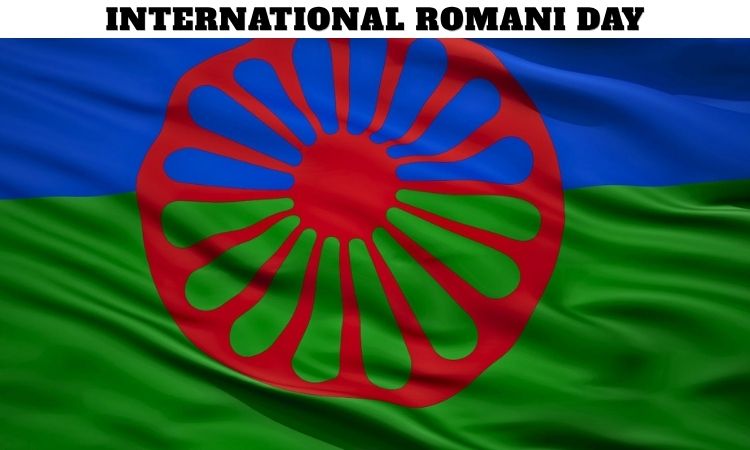
- Adoption of the Romani flag, symbolizing freedom and migration
- Recognition of the Romani anthem
- Agreement on the term “Roma” as a unified identity
- Establishment of a global movement for civil rights and recognition
We consider this congress a milestone that empowered the Romani people to assert their identity on an international stage.
How Has Romani Culture Influenced Global Arts and Traditions?
Romani culture has had a profound impact on music, dance, storytelling, and craftsmanship across the world. Their influence is particularly evident in:
- Flamenco music and dance in Spain
- Eastern European folk music traditions
- Jazz and classical compositions inspired by Romani melodies
We celebrate the Romani contribution to global culture as a testament to their creativity, resilience, and artistic brilliance.
What Challenges Have the Romani People Faced Throughout History?
The Romani community has endured centuries of discrimination, exclusion, and persecution. Key challenges include:
- Social and economic marginalization
- Limited access to education and healthcare
- Stereotyping and cultural misunderstandings
- Historical tragedies, including persecution during World War II
We acknowledge these hardships while emphasizing the importance of continued advocacy and awareness to combat inequality.
Why is Awareness About Romani Rights Important Today?
Even in modern times, many Romani communities face systemic discrimination and a lack of opportunities. Raising awareness helps:
- Promote equal rights and social inclusion
- Challenge harmful stereotypes
- Encourage policy changes and community support
- Foster respect and understanding across cultures
We recognize that awareness is a crucial step toward building a more inclusive and equitable society.
How is International Romani Day Celebrated Around the World?
International Romani Day is marked by a variety of cultural and educational activities, including:
- Cultural festivals showcasing Romani music and dance
- Educational seminars and awareness campaigns
- Art exhibitions and storytelling events
- Community gatherings celebrating Romani heritage
One symbolic tradition includes floating flowers or candles on rivers, representing remembrance and unity.
What Role Does Language Play in Preserving Romani Culture?
The Romani language is a vital element of cultural identity. It reflects the community’s history, migration, and shared experiences. Preserving the language is essential for:
- Maintaining cultural continuity
- Strengthening community bonds
- Passing down traditions to future generations
We emphasize the importance of language preservation as a means of protecting cultural heritage.
How Can Individuals Support the Romani Community?
We can all contribute to supporting the Romani community by:
- Educating ourselves about Romani history and culture
- Challenging stereotypes and discrimination
- Supporting Romani artists, businesses, and initiatives
- Advocating for inclusive policies and equal opportunities
Collective efforts help create a society where diversity is respected and celebrated.
What is the Future Outlook for Romani Communities Worldwide?
The future of Romani communities depends on education, empowerment, and global cooperation. Positive developments include:
- Increased representation in media and politics
- Growing awareness of Romani rights
- Community-led initiatives for education and development
We remain hopeful that continued efforts will lead to greater equality, recognition, and opportunity for Romani people worldwide.
Frequently Asked Questions (FAQs)
1. What is International Romani Day?
It is a global observance on April 8, celebrating the culture, history, and rights of the Romani people.
2. Why is April 8 important for Romani communities?
It marks the anniversary of the First World Romani Congress held in 1971.
3. Where did the Romani people originate?
The Romani people originated from the Indian subcontinent, particularly northern India.
4. What is the Romani flag?
The Romani flag features a blue and green background with a red wheel, symbolizing the sky, earth, and migration.
5. What language do Romani people speak?
They speak the Romani language, with various dialects across regions.
6. What are common Romani cultural traditions?
Traditions include music, dance, storytelling, and strong family values.
7. What challenges do Romani communities face today?
They face discrimination, poverty, and limited access to education and healthcare.
8. How can we celebrate International Romani Day?
By participating in cultural events, educational programs, and awareness campaigns.
9. Why is Romani culture important globally?
It contributes significantly to arts, music, and cultural diversity worldwide.
10. How can we support Romani rights?
By promoting inclusion, education, and equal opportunities for Romani communities.