

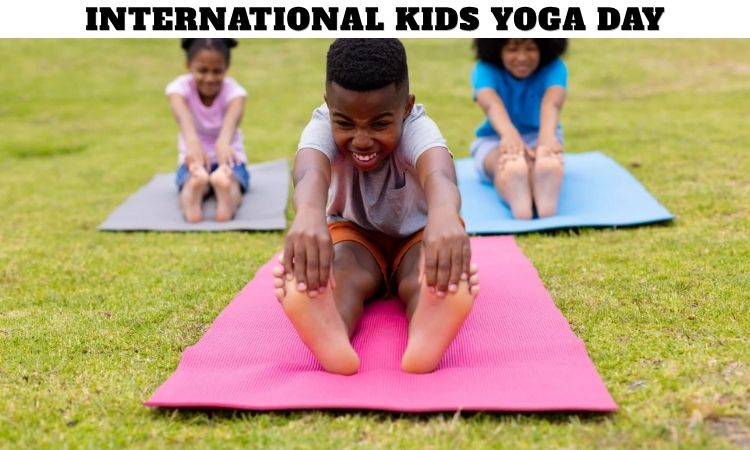
What is International Kids Yoga Day, and why is it celebrated on April 8?
International Kids Yoga Day, observed on April 8, is a global initiative dedicated to promoting the physical, mental, and emotional well-being of children through yoga. We recognize this day as an opportunity to introduce young minds to the transformative power of yoga, helping them develop discipline, focus, and inner peace from an early age.
This day emphasizes the importance of holistic development, encouraging children to embrace a lifestyle rooted in balance, mindfulness, and physical fitness. Schools, parents, and wellness organizations worldwide participate in activities that spread awareness about the benefits of yoga for children.
How Does Yoga Benefit Children’s Physical Health?
Yoga plays a crucial role in improving children’s overall physical development. Through regular practice, we help children build:
- Flexibility and strength
- Improved posture and body alignment
- Better coordination and balance
- Enhanced immunity and stamina
Children today often lead sedentary lifestyles due to increased screen time. Incorporating kids’ yoga routines ensures that their bodies remain active, reducing the risk of childhood obesity and posture-related issues.
How Does Yoga Support Mental and Emotional Well-being in Kids?
We cannot overlook the rising stress levels in children caused by academic pressure, social challenges, and digital overload. Yoga offers a powerful solution by nurturing:
- Emotional stability
- Stress management skills
- Improved concentration and memory
- Self-awareness and confidence
Practices such as deep breathing, meditation, and relaxation techniques enable children to stay calm and focused, even in challenging situations.
Why is Early Yoga Education Important for Children?
Introducing yoga at a young age lays the foundation for a lifetime of healthy habits. We empower children with tools that help them:
- Develop discipline and routine
- Build positive self-esteem
- Enhance mind-body connection
- Cultivate mindfulness and patience
Early exposure ensures that yoga becomes a natural part of their daily lives, promoting long-term physical and emotional resilience.
What Are the Best Yoga Poses for Kids?
We recommend simple and engaging yoga poses that are both fun and beneficial:
1. Tree Pose (Vrikshasana)
Improves balance and focus while strengthening the legs.
2. Cobra Pose (Bhujangasana)
Enhances spinal flexibility and strengthens the back muscles.
3. Child’s Pose (Balasana)
Promotes relaxation and stress relief, ideal for calming the mind.
4. Cat-Cow Pose
Encourages spinal mobility and improves breathing coordination.
5. Butterfly Pose (Baddha Konasana)
Opens the hips and improves flexibility.
These poses can be practiced daily to ensure a balanced yoga routine for kids.
How Can Parents Encourage Kids to Practice Yoga Daily?
We believe that parental involvement plays a key role in building a consistent yoga habit. Here are effective strategies:
- Create a fun and engaging yoga environment at home
- Practice yoga together as a family activity
- Use storytelling and games to make sessions enjoyable
- Set a fixed daily schedule
- Reward consistency with positive reinforcement
Making yoga enjoyable ensures children view it as a fun activity rather than a chore.
What Role Do Schools Play in Promoting Kids Yoga?
Schools are essential in spreading awareness about children’s yoga programs. We encourage educational institutions to:
- Integrate yoga into the daily curriculum
- Organize yoga workshops and events
- Celebrate International Kids Yoga Day with group sessions
- Train teachers in basic yoga techniques
School participation ensures that every child has access to the benefits of yoga regardless of background.
How Can International Kids Yoga Day Be Celebrated Effectively?
We recommend a variety of activities to celebrate this day meaningfully:
- Organize community yoga events for children
- Conduct online yoga sessions and workshops
- Encourage schools to host yoga competitions
- Share educational content on social media
- Promote awareness about child wellness and mindfulness
Celebrations should focus on making yoga accessible, enjoyable, and impactful for children worldwide.
What Are the Long-Term Benefits of Kids Practicing Yoga?
Consistent yoga practice leads to long-term advantages such as:
- Improved academic performance
- Better emotional intelligence
- Reduced anxiety and behavioral issues
- Stronger immune system
- Healthy lifestyle habits
We ensure that children who practice yoga regularly grow into balanced, confident, and healthy individuals.
How Does Yoga Help Improve Concentration in Children?
Yoga techniques such as breathing exercises (Pranayama) and meditation significantly enhance focus and attention span. These practices help children:
- Stay attentive during studies
- Improve memory retention
- Reduce distractions
- Develop clarity in thinking
This directly contributes to better academic outcomes and overall cognitive development.
What Are Common Challenges in Teaching Yoga to Kids?
While yoga offers immense benefits, we must address certain challenges:
- Short attention spans
- Lack of interest initially
- Difficulty in maintaining discipline
- Limited awareness among parents
We overcome these challenges by making sessions interactive, playful, and engaging, ensuring children stay motivated.
Frequently Asked Questions (FAQs)
1. What is the purpose of International Kids Yoga Day?
The purpose is to promote physical fitness, mental well-being, and mindfulness among children through yoga.
2. When is International Kids Yoga Day celebrated?
It is celebrated annually on April 8.
3. At what age can children start practicing yoga?
Children can start as early as 3 to 5 years old with simple poses and breathing exercises.
4. Is yoga safe for children?
Yes, when practiced under guidance, yoga is completely safe and highly beneficial for children.
5. How long should kids practice yoga daily?
A daily session of 15 to 30 minutes is sufficient for noticeable benefits.
6. Can yoga improve academic performance?
Yes, yoga enhances concentration, memory, and mental clarity, leading to better academic results.
7. Do children need special equipment for yoga?
No, basic equipment like a yoga mat is enough.
8. Can yoga help reduce anxiety in children?
Yes, yoga techniques effectively reduce stress and anxiety levels in children.
9. How can schools participate in this day?
Schools can organize yoga sessions, workshops, and awareness programs.
10. Why is yoga important in modern childhood?
Yoga helps counter screen addiction, stress, and sedentary lifestyles, promoting holistic development.