

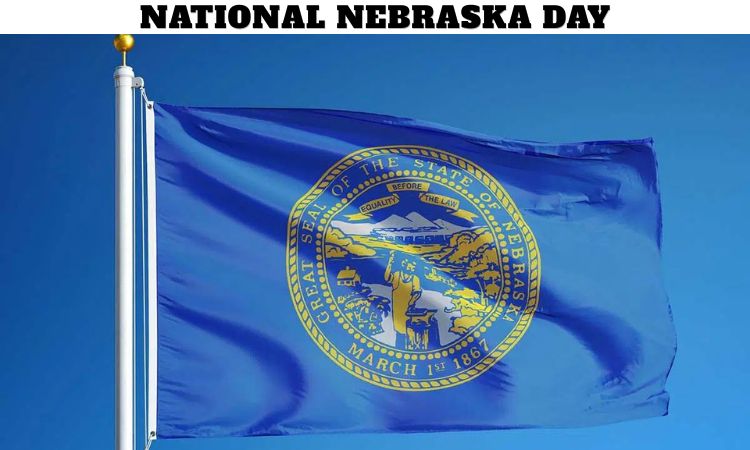
What Is National Nebraska Day, and Why Is It Celebrated on April 5?
National Nebraska Day, observed annually on April 5, is a special occasion dedicated to honoring the rich history, culture, and contributions of the U.S. state of Nebraska. This day is part of a broader initiative to celebrate each state in the United States, recognizing its unique heritage, natural beauty, and economic significance.
We celebrate National Nebraska Day to appreciate the state’s role in shaping American history, from its early Native American roots to its importance in agriculture, transportation, and innovation. It is a day to explore Nebraska’s identity, its people, and its enduring impact on the nation.
Where Is Nebraska Located and What Makes It Unique?
Nebraska is located in the Midwestern region of the United States, bordered by states such as South Dakota, Iowa, Missouri, Kansas, Colorado, and Wyoming. Known as the “Cornhusker State,” Nebraska is famous for its vast plains, fertile farmland, and strong agricultural economy.
What makes Nebraska unique includes:
- Extensive agricultural production, particularly corn and beef
- Diverse landscapes, including prairies, sandhills, and river valleys
- Central location, making it a key transportation hub
- Strong community values and rural heritage
Its combination of natural beauty and economic importance makes Nebraska a vital part of the American landscape.
What Is the Historical Significance of Nebraska?
Nebraska has a rich and diverse history that dates back thousands of years. It was originally inhabited by Native American tribes, including the Omaha, Pawnee, and Lakota peoples, who lived in harmony with the land.
Key historical milestones include:
- The Louisiana Purchase of 1803, which brought Nebraska under U.S. control
- The Nebraska Territory establishment in 1854
- Statehood achieved on March 1, 1867
- Its role in the westward expansion and pioneer migration
Nebraska’s history reflects the broader story of America’s growth and development.
Why Is Nebraska Known as the Cornhusker State?
Nebraska earned the nickname “Cornhusker State” due to its long-standing tradition of corn production. Corn has been a central crop in Nebraska’s agricultural economy for generations.
The term “cornhusker” originally referred to workers who removed husks from corn by hand, symbolizing the hard work and dedication of Nebraska’s farmers. Today, it represents the state’s agricultural pride and identity.
What Are the Major Economic Contributions of Nebraska?
Nebraska’s economy is deeply rooted in agriculture and related industries, but it also includes diverse sectors such as manufacturing, transportation, and finance.
Key economic contributions include:
- Corn and soybean production
- Beef and livestock farming
- Food processing and agribusiness
- Railroad and logistics industries
These industries make Nebraska a key contributor to the U.S. economy, particularly in food production and supply.
What Are the Most Famous Attractions in Nebraska?
Nebraska offers a variety of attractions that showcase its natural beauty and cultural heritage:
- Scotts Bluff National Monument – A historic landmark for pioneers
- Chimney Rock – An iconic rock formation
- Henry Doorly Zoo and Aquarium – One of the world’s top-rated zoos
- Sandhills region – A unique ecosystem of grass-covered dunes
These attractions make Nebraska a destination for nature lovers, history enthusiasts, and travelers.
How Is National Nebraska Day Celebrated?
National Nebraska Day is celebrated through various activities that highlight the state’s culture and achievements:
1. Educational Programs
Schools and institutions organize lessons about Nebraska’s history and geography.
2. Cultural Events
Communities host events showcasing local traditions, music, and cuisine.
3. Travel and Exploration
People visit Nebraska’s landmarks and natural sites.
4. Social Media Campaigns
Residents and admirers share stories and facts about Nebraska.
5. Culinary Celebrations
Food lovers prepare dishes featuring corn, beef, and other local ingredients.
What Are Some Interesting Facts About Nebraska?
Nebraska is full of fascinating facts that reflect its uniqueness:
- It is the only U.S. state with a unicameral legislature
- It has more miles of river than any other state
- The Sandhills cover nearly one-quarter of the state
- Nebraska is a leading producer of corn and beef
These facts highlight Nebraska’s distinct place in American culture and governance.
Why Is Nebraska Important for Agriculture in the United States?
Nebraska plays a critical role in feeding the nation and the world. Its fertile soil, favorable climate, and advanced farming techniques make it one of the top agricultural states.
Key reasons for its importance include:
- High crop yields due to rich soil
- Extensive irrigation systems
- Innovative farming practices
- Large-scale livestock production
Nebraska’s agricultural output supports both domestic consumption and global exports.
How Can We Celebrate National Nebraska Day Meaningfully?
There are many ways to celebrate National Nebraska Day while appreciating its significance:
- Learn about the state’s history and culture
- Try recipes featuring Nebraska-grown ingredients
- Explore documentaries or books about the region
- Support local businesses or agricultural products
- Share knowledge about Nebraska with others
These activities help deepen our understanding and appreciation of the state.
What Is the Cultural Identity of Nebraska?
Nebraska’s cultural identity is shaped by its rural traditions, strong work ethic, and community spirit. The state values hard work, resilience, and cooperation, which are reflected in its agricultural lifestyle.
Cultural influences include:
- Native American heritage
- Pioneer traditions
- Modern agricultural practices
This blend of history and progress defines Nebraska’s unique character.
What Is the Future Outlook for Nebraska?
Nebraska continues to evolve while maintaining its core values. The future of the state lies in:
- Advancements in agricultural technology
- Sustainable farming practices
- Economic diversification
- Environmental conservation efforts
With these developments, Nebraska is well-positioned to remain a key contributor to the nation’s growth.
Frequently Asked Questions (FAQs)
1. When is National Nebraska Day celebrated?
National Nebraska Day is celebrated on April 5 each year.
2. Why is Nebraska called the Cornhusker State?
It is called the Cornhusker State because of its historical association with corn production.
3. What is Nebraska famous for?
Nebraska is famous for its agriculture, natural landscapes, and historical landmarks.
4. When did Nebraska become a state?
Nebraska became a state on March 1, 1867.
5. What are the main industries in Nebraska?
The main industries include agriculture, livestock, manufacturing, and transportation.
6. What is unique about Nebraska’s government?
Nebraska has a unicameral legislature, meaning it has only one legislative chamber.
7. What are the popular tourist attractions in Nebraska?
Popular attractions include Scotts Bluff, Chimney Rock, and the Henry Doorly Zoo.
8. How can I celebrate National Nebraska Day?
You can celebrate by learning about the state, exploring its culture, or trying local foods.
9. What crops are commonly grown in Nebraska?
Nebraska is known for growing corn, soybeans, and other crops.
10. Why is Nebraska important to the U.S. economy?
Nebraska is important due to its agricultural production and contribution to food supply chains.