

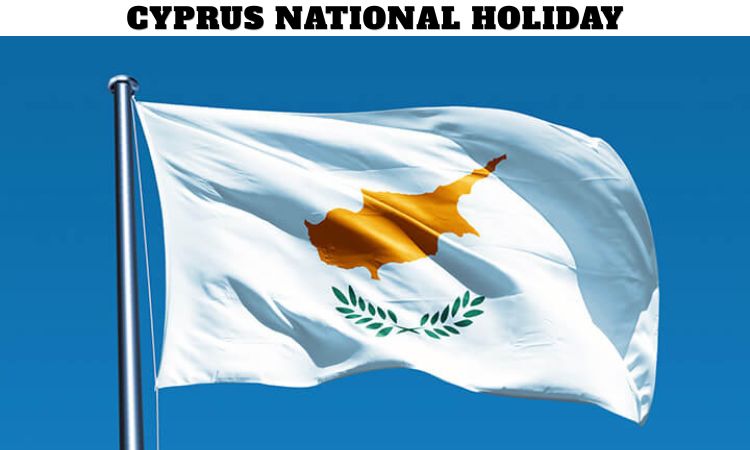
What is the Cyprus National Holiday on April 1, and Why Is It Important?
The Cyprus National Holiday on April 1, officially known as Cyprus National Day, commemorates the beginning of the EOKA liberation struggle in 1955 against British colonial rule. This historic day marks a defining moment in the journey of Cyprus toward independence, symbolizing courage, resistance, and national pride.
We recognize April 1 as more than a historical remembrance—it is a powerful expression of identity, sovereignty, and unity. Across the island, citizens honor the sacrifices made by freedom fighters who fought to end colonial rule and achieve self-determination.
What Happened on April 1, 1955, in Cyprus?
On April 1, 1955, the nationalist organization EOKA (Ethniki Organosis Kyprion Agoniston) launched an armed campaign against British administration in Cyprus. This marked the official start of a four-year struggle for independence.
We observe that the movement aimed to achieve Enosis, the union of Cyprus with Greece, although it ultimately led to Cyprus gaining independence in 1960.
Key events of this day include:
- Coordinated attacks on British government installations
- Public declarations of resistance
- Mobilization of local communities
This moment ignited a nationwide movement that reshaped the island’s political future.
Why Is April 1 Celebrated as Cyprus National Day?
April 1 is celebrated to honor the bravery and determination of Cypriots who resisted colonial rule. It represents:
- The beginning of the independence movement
- A tribute to those who sacrificed their lives
- A reminder of the nation’s struggle for freedom
We understand this day as a symbol of national awakening, where the desire for independence united people across Cyprus.
How Did Cyprus Achieve Independence After the 1955 Struggle?
Following years of conflict, negotiations between Britain, Greece, and Turkey led to Cyprus gaining independence on August 16, 1960. Although April 1 marks the start of the struggle, independence was achieved through a combination of armed resistance and diplomatic efforts.
We highlight that:
- The struggle intensified international attention
- Political agreements paved the way for independence
- Cyprus became a sovereign republic
This transition marked a new chapter in the country’s history.
How Is Cyprus National Holiday Celebrated Today?
The Cyprus National Holiday is observed with patriotic pride and solemn respect across the country.
Official Ceremonies and Parades
Government officials and citizens participate in:
- Military parades
- Flag-raising ceremonies
- Speeches honoring national heroes
Educational Programs
Schools organize:
- Historical presentations
- Cultural performances
- Student-led commemorations
Religious Observances
Church services are held to remember those who lost their lives during the struggle.
Public Participation
Citizens decorate homes and streets with national flags, expressing unity and patriotism.
What Is the Role of EOKA in Cyprus History?
The organization EOKA played a central role in the independence movement. Led by Georgios Grivas, EOKA coordinated resistance efforts and inspired widespread support among Greek Cypriots.
We recognize EOKA’s role as:
- A driving force behind the liberation struggle
- A symbol of resistance and nationalism
- A key contributor to the eventual independence of Cyprus
What Does Cyprus National Day Represent in Modern Times?
Today, Cyprus National Day serves as a reminder of resilience and national unity. It reinforces:
- The importance of freedom and sovereignty
- The value of historical memory
- The need to preserve cultural identity
We see this day as a bridge between the past and present, ensuring that future generations understand the sacrifices made for independence.
How Does Cyprus National Holiday Differ from Independence Day?
Cyprus celebrates Independence Day on October 1, which marks the official establishment of the Republic of Cyprus in 1960. In contrast, April 1 commemorates the beginning of the struggle.
We distinguish the two as:
- April 1: Start of the liberation movement
- October 1: Official independence celebration
Both days are significant, but April 1 carries a deep emotional and historical significance tied to resistance.
What Are the Key Symbols of the Cyprus National Day?
Several important symbols mark the holiday:
- Cyprus national flag: Represents unity and sovereignty
- Memorials and monuments: Honor fallen heroes
- Olive branches: Symbolize peace and hope
- Traditional music and poetry: Reflect cultural heritage
We observe that these symbols reinforce a shared national identity.
Why Is Cyprus National Holiday Important for Future Generations?
The continued observance of April 1 ensures that younger generations remain connected to their historical roots.
We emphasize its importance as:
- A tool for historical education
- A source of national pride
- A reminder of the cost of freedom
By preserving this legacy, Cyprus strengthens its cultural and national foundation.
How Can Visitors Experience the Cyprus National Day?
Visitors to Cyprus during this time can immerse themselves in:
- Public parades and ceremonies
- Cultural exhibitions
- Local traditions and cuisine
We encourage participation as a way to understand the rich history and patriotic spirit of the Cypriot people.
Frequently Asked Questions (FAQs)
1. What is the Cyprus National Holiday on April 1?
It commemorates the start of the EOKA struggle against British rule in 1955.
2. Why is April 1 important in Cyprus history?
It marks the beginning of the independence movement.
3. What does EOKA stand for?
EOKA stands for Ethniki Organosis Kyprion Agoniston.
4. When did Cyprus gain independence?
Cyprus became independent on August 16, 1960.
5. How is Cyprus National Day celebrated?
It is celebrated with parades, ceremonies, and educational events.
6. Who led the EOKA movement?
The movement was led by Georgios Grivas.
7. Is April 1 a public holiday in Cyprus?
Yes, it is a national public holiday.
8. What is the difference between April 1 and October 1 in Cyprus?
April 1 marks the start of the struggle, while October 1 marks independence.
9. Are there religious activities on this day?
Yes, church services are held to honor those who died.
10. Can tourists participate in celebrations?
Yes, tourists are welcome to attend public events and ceremonies.