

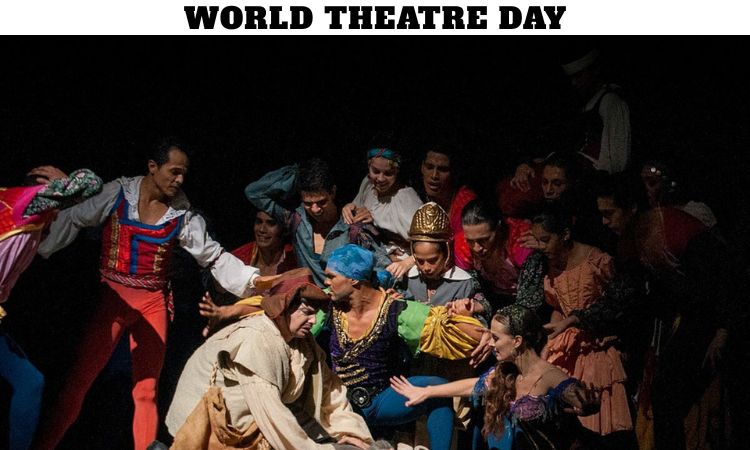
World Theatre Day is celebrated every year on March 27 to honour the timeless art of theatre and its profound impact on culture, education, and human expression. This global observance recognizes theatre as one of the oldest and most influential forms of storytelling, bringing communities together through live performance and shared emotional experiences.
From grand opera houses to small experimental stages, theatre continues to inspire creativity, spark dialogue, and reflect societal change. World Theatre Day serves as a reminder of the enduring relevance of performance arts in a rapidly evolving digital world.
The Origin and History of World Theatre Day
World Theatre Day was established in 1961 by the International Theatre Institute (ITI), an organisation dedicated to promoting international exchange and collaboration in theatre arts. The initiative aimed to highlight theatre’s role in fostering cultural understanding and peace across nations.
Since its inception, the day has been celebrated in over 90 countries through performances, workshops, conferences, and educational programs. Each year, a renowned theatre personality is invited to deliver the World Theatre Day Message, a speech that reflects on the significance of theatre in contemporary society.
The Historical Evolution of Theatre
Theatre’s roots can be traced back thousands of years to ancient civilisations. In Greece, theatrical performances were integral to religious festivals honoring gods such as Dionysus. Playwrights like Sophocles and Euripides created enduring works exploring themes of fate, morality, and human emotion.
During the Renaissance period, theatre flourished in Europe with influential figures such as William Shakespeare, whose plays remain widely performed and studied. Over time, theatre evolved to incorporate diverse styles, including realism, absurdism, musical theatre, and experimental performance.
Why Theatre Matters in Modern Society?
Theatre is more than entertainment — it is a powerful medium for social commentary, education, and emotional connection. Live performances create an intimate relationship between actors and audiences, fostering empathy and understanding.
Theatre often addresses pressing issues such as identity, inequality, climate change, and human rights. By presenting these themes through storytelling, theatre encourages reflection and dialogue. Educational institutions also use theatre as a teaching tool to enhance communication skills, creativity, and confidence among students.
How is World Theatre Day Celebrated Around the World?
Special Performances and Festivals
On March 27, theatres worldwide host special productions, free shows, and festivals to attract new audiences and celebrate artistic achievements. These events range from classical plays to contemporary experimental works.
Workshops and Educational Activities
Drama schools, universities, and cultural organisations organise workshops focusing on acting techniques, stage design, scriptwriting, and directing. These activities nurture emerging talent and promote appreciation for theatre craftsmanship.
Public Readings and Community Engagement
Public readings of famous plays and street performances bring theatre to broader audiences. Community theatre groups often collaborate with local authorities to stage open-air productions, making performing arts accessible to all.
The Role of Technology in Contemporary Theatre
In recent years, theatre has embraced technological advancements to enhance storytelling. Digital projections, immersive sound design, and virtual reality elements have transformed stage experiences.
Live streaming performances became particularly significant during global disruptions, allowing audiences to enjoy theatre from their homes. Despite technological integration, the essence of theatre — live human interaction — remains its defining characteristic.
Economic and Cultural Contributions of Theatre
Theatre contributes significantly to the creative economy, generating employment opportunities for actors, directors, technicians, costume designers, and marketers. Theatre districts in major cities attract tourists, boosting hospitality and retail sectors.
Culturally, theatre preserves traditions and promotes linguistic diversity. Folk theatre forms, musicals, and avant-garde productions showcase the richness of human creativity, strengthening cultural identity.
Famous Theatre Festivals Celebrated Worldwide
World Theatre Day also highlights renowned theatre festivals such as the Edinburgh Festival Fringe, Avignon Festival, and Broadway showcases. These events provide platforms for emerging artists while celebrating established performers.
Through international collaborations, theatre festivals encourage cross-cultural exchange, enabling audiences to experience stories from different perspectives and traditions.
How Individuals Can Participate in World Theatre Day?
Celebrating World Theatre Day does not require professional expertise. Individuals can participate in meaningful ways, such as:
- Attending a local theatre performance
- Reading or watching classic plays
- Supporting community theatre groups
- Sharing theatre-related content on social media
- Encouraging children to explore drama activities
These simple actions help sustain theatre as a vibrant and accessible art form.
The Future of Theatre in a Changing World
As society continues to evolve, theatre adapts by exploring new narratives and performance formats. Diverse representation, inclusive storytelling, and interdisciplinary collaborations are shaping the future of stage arts.
Educational institutions and cultural policymakers play vital roles in ensuring theatre remains relevant and financially sustainable. World Theatre Day catalyzes discussions about funding, innovation, and artistic freedom.
Conclusion
World Theatre Day on March 27 celebrates the transformative power of performance arts and their ability to unite people across cultures. From ancient amphitheatres to modern digital stages, theatre continues to inspire imagination, challenge perceptions, and foster human connection.
Frequently Asked Questions (FAQs)
1. What is World Theatre Day?
World Theatre Day is an international observance celebrated on March 27 to promote theatre arts and cultural exchange.
2. Who established World Theatre Day?
It was established in 1961 by the International Theatre Institute.
3. Why is theatre important?
Theatre fosters creativity, emotional expression, social awareness, and cultural preservation.
4. How is World Theatre Day celebrated?
Through performances, workshops, festivals, and educational programs.
5. Is World Theatre Day a public holiday?
No, it is an international cultural observance.
6. What is the World Theatre Day Message?
It is an annual speech delivered by a prominent theatre personality.
7. How can students participate in World Theatre Day?
Students can attend plays, join drama clubs, or participate in theatre workshops.
8. Does theatre have economic benefits?
Yes, theatre supports jobs, tourism, and creative industries.
9. How has technology influenced theatre?
Technology has enhanced stage design, sound effects, and online accessibility.
10. Can anyone enjoy theatre?
Yes, theatre is for everyone regardless of age, background, or experience.