

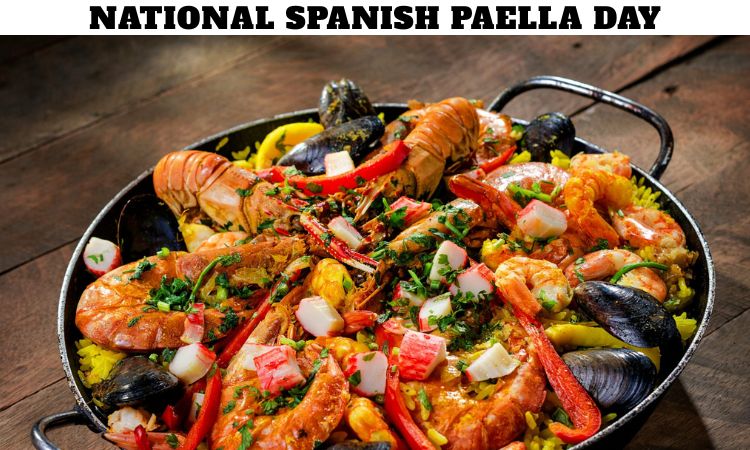
Every year on March 27, food lovers across the world celebrate National Spanish Paella Day, a delightful culinary observance dedicated to one of Spain’s most famous and beloved dishes — Paella. This flavorful and colorful rice preparation has become a global symbol of Spanish cuisine, representing tradition, community, and culinary artistry.
National Spanish Paella Day encourages people to explore authentic recipes, discover regional variations, and appreciate the cultural heritage associated with this iconic dish. From family gatherings to restaurant promotions and cooking events, the day offers countless opportunities to celebrate the vibrant flavors of Spain.
The Origins and History of Paella
Paella originated in the eastern region of Spain, particularly around Valencia, where rice cultivation flourished due to fertile lands and abundant water resources. Historically, farmers and laborers prepared simple rice dishes over open fires using locally available ingredients such as vegetables, beans, snails, and sometimes rabbit or chicken.
Over time, this rustic meal evolved into the sophisticated dish now recognized worldwide. The name “paella” itself refers to the wide, shallow pan traditionally used to cook the dish. Today, paella reflects centuries of culinary innovation while preserving its humble roots as a communal meal shared among family and friends.
Cultural Significance of Paella in Spain
In Spain, paella is far more than just food — it is a symbol of unity and celebration. Families often gather on weekends or festive occasions to cook and enjoy paella together. Outdoor cooking over wood fires remains a cherished tradition, especially in rural areas.
Paella festivals and competitions are also popular, attracting chefs and tourists eager to experience authentic flavors. These events highlight the dish’s importance in Spanish identity, reinforcing its status as a national culinary treasure.
Traditional Ingredients Used in Paella
Authentic paella recipes emphasize fresh, high-quality ingredients. While variations exist, several core components define the dish’s unique character:
- Short-grain rice, which absorbs flavors effectively
- Saffron, providing the signature golden color and aromatic depth
- Olive oil is essential for sautéing and enhancing richness
- Fresh vegetables such as tomatoes, peppers, and green beans
- Proteins, including chicken, rabbit, seafood, or chorizo
The careful balance of spices, stock, and cooking techniques ensures a harmonious blend of textures and tastes.
Popular Types of Spanish Paella
Valencian Paella
Considered the original version, Valencian paella typically includes rabbit, chicken, green beans, and occasionally snails. Its earthy flavor reflects traditional agricultural practices.
Seafood Paella
This coastal variation features prawns, mussels, squid, and fish. The use of seafood stock enhances the dish’s rich oceanic essence, making it especially popular in seaside regions.
Mixed Paella
A fusion of meat and seafood, mixed paella offers a diverse flavor profile that appeals to modern tastes.
Vegetarian Paella
Vegetarian versions highlight seasonal vegetables, legumes, and aromatic herbs, demonstrating paella’s versatility and inclusivity.
How is National Spanish Paella Day Celebrated?
Food enthusiasts celebrate National Spanish Paella Day in numerous creative ways:
- Hosting paella-themed dinner parties
- Attending cooking workshops or culinary classes
- Visiting Spanish restaurants offering special menus
- Sharing homemade paella photos on social media
- Exploring regional Spanish food traditions
Restaurants and culinary schools often organize live demonstrations where chefs showcase traditional cooking methods, including the creation of the prized “socarrat” — the crispy caramelized rice layer at the bottom of the pan.
Tips for Cooking Authentic Paella at Home
Preparing paella requires patience and attention to detail. Consider the following expert tips:
- Use a wide paella pan to ensure even cooking
- Avoid stirring excessively to allow the socarrat to form
- Cook over medium heat for a balanced texture
- Allow the dish to rest briefly before serving
- Pair with fresh salads or Spanish beverages for a complete meal
These simple techniques help recreate the authentic Spanish dining experience in any kitchen.
Paella’s Global Popularity and Influence
In recent decades, paella has gained tremendous international recognition. Food festivals, cooking shows, and travel experiences have introduced global audiences to Spanish culinary traditions.
Chefs worldwide experiment with innovative ingredients, creating modern interpretations while respecting the dish’s essence. This fusion of tradition and creativity ensures paella’s continued relevance in contemporary gastronomy.
Health Benefits of Paella
When prepared with balanced ingredients, paella can be a nutritious and wholesome meal. Rice provides energy, seafood offers lean protein and omega-3 fatty acids, while vegetables contribute essential vitamins and minerals.
Using olive oil instead of saturated fats supports heart health, aligning paella with elements of the Mediterranean diet. Portion control and ingredient quality remain key factors in maximizing nutritional value.
Why National Spanish Paella Day Matters?
National Spanish Paella Day celebrates the power of food to connect cultures and create memorable experiences. By honoring paella, we recognize the dedication of farmers, fishermen, and chefs who preserve culinary traditions.
The observance also encourages cultural appreciation, inviting people worldwide to explore Spanish history, hospitality, and vibrant gastronomy. Whether enjoyed in a bustling restaurant or prepared at home with loved ones, paella embodies joy, generosity, and shared celebration.
Conclusion
National Spanish Paella Day on March 27 is a delicious tribute to one of the world’s most iconic dishes. Rooted in tradition yet open to innovation, paella continues to bring people together through its rich flavors and cultural significance.
Frequently Asked Questions (FAQs)
1. What is National Spanish Paella Day?
It is an annual food observance on March 27, celebrating Spain’s famous rice dish, paella.
2. Where did paella originate?
Paella originated in Valencia, Spain.
3. What rice is best for paella?
Short-grain rice varieties like Bomba or Calasparra are ideal.
4. Can paella be vegetarian?
Yes, vegetarian paella includes vegetables, legumes, and aromatic spices.
5. What gives paella its yellow color?
Saffron is responsible for paella’s distinctive golden hue.
6. How is paella traditionally cooked?
It is cooked in a wide shallow pan over an open flame or stovetop.
7. What is socarrat?
Socarrat is the crispy caramelized rice layer at the bottom of the pan.
8. Is paella healthy?
When made with balanced ingredients, paella can be nutritious.
9. How can we celebrate National Spanish Paella Day?
By cooking paella, visiting Spanish restaurants, or attending culinary events.
10. Is National Spanish Paella Day an official holiday?
No, it is an unofficial food holiday celebrated globally.