
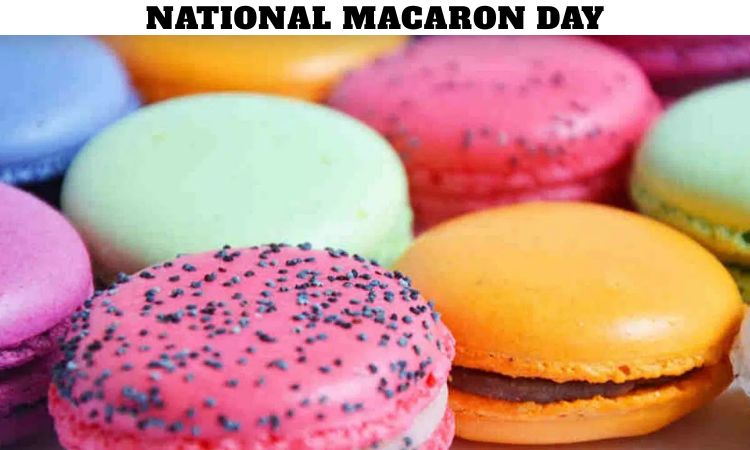
Every year on March 20, dessert lovers and pastry enthusiasts celebrate National Macaron Day, a delicious occasion dedicated to honoring one of the world’s most refined and colorful confections — the Macaron. Known for their delicate texture, vibrant appearance, and luxurious flavors, macarons have become a global symbol of culinary artistry and indulgence.
We recognize this special day as an opportunity to appreciate the craftsmanship behind macarons, explore their fascinating history, and enjoy the sweet joy they bring to celebrations, cafés, and dessert tables around the world.
The Origins and History of Macarons
The macaron’s history dates back centuries, with roots believed to originate in Italy before gaining popularity in France. Historians suggest that the dessert was introduced to the French royal court during the Renaissance period. Over time, French pastry chefs refined the recipe, transforming it into the iconic sandwich-style confection we know today.
We observe that the modern macaron — featuring two almond meringue shells filled with ganache, buttercream, or jam — became widely recognized in Parisian patisseries. Its rise from a simple almond biscuit to a sophisticated dessert reflects evolving culinary innovation and aesthetic presentation.
National Macaron Day celebrates this transformation and the enduring legacy of French pastry traditions.
What Makes Macarons Unique?
Macarons stand apart from other sweets due to their distinctive structure and delicate balance of textures. The outer shells are slightly crisp, while the interior remains soft and chewy. This contrast creates a luxurious mouthfeel that dessert lovers deeply appreciate.
We recognize key features that define macarons:
Smooth, glossy tops
Ruffled “feet” at the base
Vibrant pastel or bold colors
Rich, aromatic fillings
National Macaron Day highlights the artistry required to achieve perfection in every bite.
Popular Macaron Flavors Around the World
One of the most exciting aspects of macarons is their incredible flavor diversity. From traditional classics to modern experimental combinations, there is a macaron for every palate.
We observe some of the most popular flavors include:
Vanilla and chocolate
Raspberry and strawberry
Pistachio and hazelnut
Salted caramel
Lemon and passion fruit
On National Macaron Day, bakeries often introduce limited-edition flavors, encouraging customers to explore new taste experiences.
The Art and Science of Baking Macarons
Baking macarons is widely regarded as one of the most challenging pastry techniques. Achieving the perfect consistency requires precise measurements, controlled humidity, and careful temperature management.
We understand that the process involves several critical steps:
Whipping egg whites into a stable meringue
Folding almond flour and sugar to achieve the proper batter texture
Piping uniform circles onto baking trays
Allowing shells to rest before baking
Pairing and filling with complementary flavors
National Macaron Day celebrates the dedication of pastry chefs who master this intricate craft.
Macarons in French Culture and Global Cuisine
Macarons are closely associated with French elegance and culinary excellence. They are often featured in luxury gift boxes, wedding dessert tables, and upscale café menus.
We observe that macarons have transcended cultural boundaries, becoming popular in countries across Asia, Europe, and North America. Their Instagram-worthy appearance and gourmet reputation have helped them achieve iconic dessert status.
National Macaron Day serves as a reminder of how food can connect cultures and inspire creativity worldwide.
Health Considerations and Nutritional Aspects
While macarons are indulgent treats, they are typically smaller and lighter than many other desserts. Made primarily from almond flour, they may offer certain nutritional advantages compared to wheat-based pastries.
We note potential benefits such as:
Naturally gluten-free ingredients
Portion-controlled servings
Rich flavor allows mindful consumption
National Macaron Day encourages balance — enjoying sweet delights while maintaining healthy eating habits.
Economic Impact of the Macaron Industry
The popularity of macarons has contributed significantly to the global bakery and confectionery market. Artisan patisseries, café chains, and boutique dessert brands rely on macarons as premium offerings.
We recognize that this demand supports:
Skilled pastry professionals
Almond and sugar supply chains
Food packaging and retail sectors
Culinary tourism
National Macaron Day often boosts bakery sales through promotions and themed events.
Creative Trends in Modern Macaron Design
Innovation continues to redefine the macaron experience. Baker’s experiment with:
Metallic or hand-painted shells
Character-themed macarons
Savory variations like cheese or herbs
Fusion flavors inspired by global cuisines
We observe that social media plays a major role in showcasing these artistic creations, inspiring both professionals and home bakers.
National Macaron Day celebrates this spirit of experimentation and visual storytelling.
How is National Macaron Day Celebrated?
Communities around the world mark this day with fun and engaging activities such as:
Free macaron giveaways at bakeries
Baking workshops and masterclasses
Dessert tasting events
Social media contests and recipe sharing
We encourage individuals to participate by trying new macaron flavors, supporting local pastry shops, or attempting homemade baking projects.
Macarons as Gifts and Festive Treats
Macarons are often chosen as thoughtful gifts due to their elegant packaging and customizable flavors. They symbolize celebration, sophistication, and affection.
We see them featured in:
Wedding favors
Birthday hampers
Holiday gift boxes
Corporate events
National Macaron Day provides the perfect occasion to share sweetness with loved ones.
Tips for Making Perfect Macarons at Home
For beginners interested in baking macarons, we suggest focusing on:
Using high-quality almond flour
Measuring ingredients precisely
Practicing batter consistency
Allowing shells to develop a skin before baking
Storing filled macarons properly for optimal flavor
National Macaron Day inspires home bakers to embrace patience and creativity in their culinary journeys.
Future of Macarons in the Culinary World
As global tastes evolve, macarons continue to adapt. Sustainable ingredients, plant-based fillings, and reduced-sugar recipes are becoming increasingly popular.
We observe that the dessert’s versatility ensures its lasting appeal. Whether served in luxury patisseries or homemade kitchens, macarons remain symbols of innovation and indulgence.
National Macaron Day highlights the importance of preserving culinary heritage while embracing modern trends.
Conclusion: A Sweet Celebration of Flavor and Craftsmanship
National Macaron Day on March 20 is more than a tribute to a dessert — it is a celebration of artistry, cultural exchange, and culinary passion. Macarons represent the perfect harmony of texture, taste, and visual beauty.
Frequently Asked Questions (FAQs)
1. What is National Macaron Day?
National Macaron Day is celebrated on March 20 to honor the famous French dessert known as the Macaron and to appreciate pastry craftsmanship.
2. Why is National Macaron Day celebrated?
It is celebrated to promote the enjoyment of macarons, support local bakeries, and recognize the dessert’s cultural and culinary significance worldwide.
3. Where did macarons originate?
Macarons are believed to have originated in Italy and later became popular in France, where pastry chefs refined the modern sandwich-style version.
4. What ingredients are used to make macarons?
Traditional macarons are made using almond flour, egg whites, sugar, and food coloring, along with fillings like ganache, buttercream, or jam.
5. How are macarons different from macaroons?
Macarons are delicate sandwich cookies with smooth shells, while macaroons are coconut-based, chewy cookies with a completely different texture and taste.
6. How do people celebrate National Macaron Day?
People celebrate by buying macarons from bakeries, baking them at home, attending dessert events, or sharing photos and recipes online.
7. Are macarons gluten-free?
Yes, most traditional macarons are naturally gluten-free because they are made with almond flour instead of wheat flour.
8. What are the most popular macaron flavors?
Popular flavors include chocolate, vanilla, raspberry, pistachio, salted caramel, and lemon.
9. Why are macarons considered difficult to make?
They require precise measurements, proper mixing techniques, controlled baking temperatures, and ideal humidity conditions to achieve perfect texture.
10. Are macarons a healthy dessert option?
Macarons are best enjoyed in moderation. Their small portion size and almond content can make them lighter than many traditional pastries.