

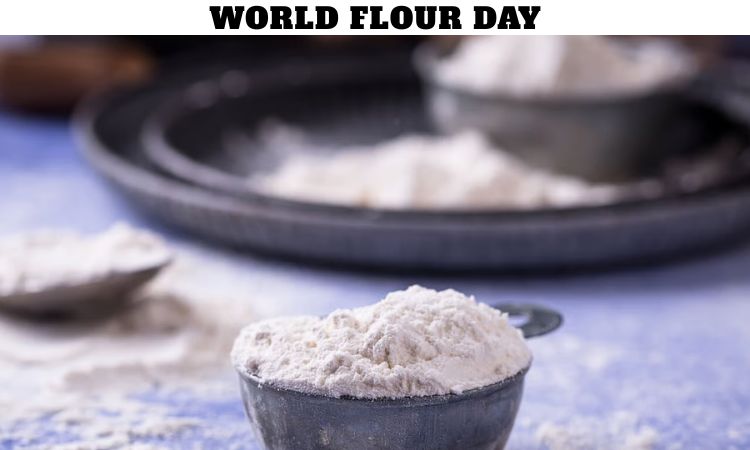
Every year on March 20, food lovers, bakers, farmers, and culinary professionals celebrate World Flour Day, a meaningful occasion that recognizes the importance of flour in global nutrition, culture, and food traditions. Flour is one of the most fundamental ingredients used in kitchens across the world, forming the backbone of countless staple foods such as bread, pasta, cakes, and flatbreads.
We observe this special day to appreciate the agricultural efforts, milling expertise, and culinary creativity that transform simple grains into nourishing meals. World Flour Day reminds us that behind every loaf of bread or delicious pastry lies a long history of human innovation and cooperation.
Historical Significance of Flour in Human Civilization
Flour has been an essential part of human survival for thousands of years. Archaeological evidence suggests that early civilizations ground grains into flour as far back as 30,000 years ago. Ancient societies such as the Egyptians, Romans, and Mesopotamians relied heavily on flour-based foods for sustenance and trade.
We recognize that the development of milling techniques marked a turning point in food production. Hand grinding stones eventually gave way to watermills and windmills, significantly increasing efficiency. This evolution allowed communities to produce flour in larger quantities, ensuring food security and supporting population growth.
World Flour Day celebrates this remarkable journey from primitive grinding methods to modern industrial milling systems that supply billions of people worldwide.
Why March 20 is Chosen for World Flour Day?
March 20 is associated with renewal and seasonal transition in many cultures due to the spring equinox. Organizers selected this date to symbolize fresh beginnings, agricultural cycles, and the universal connection between farming and food.
We see this timing as a reminder of the deep relationship between nature’s rhythms and human nourishment. World Flour Day encourages people to reflect on sustainable farming practices and the importance of preserving fertile soil for future generations.
Types of Flour and Their Culinary Uses
Flour is incredibly versatile, with different varieties suited to specific culinary purposes. Some of the most commonly used types include:
Wheat Flour: Ideal for bread, cakes, pastries, and pasta
Whole Wheat Flour: Rich in fiber and nutrients
Rice Flour: Popular in gluten-free recipes and Asian cuisine
Corn Flour: Used in tortillas, sauces, and baking
Almond Flour: Favored in low-carb and health-conscious diets
We observe that each type of flour offers unique textures, flavors, and nutritional benefits. World Flour Day encourages experimentation with different flours to create diverse and exciting dishes.
Flour as a Global Staple Food Ingredient
Across continents, flour-based foods serve as daily staples. From baguettes in Europe to chapatis in South Asia and tortillas in Latin America, flour connects cultures through shared culinary traditions.
We acknowledge that flour plays a vital role in:
Combating hunger and malnutrition
Supporting local food economies
Preserving traditional recipes
Encouraging community gatherings around meals
World Flour Day highlights how this simple ingredient fosters unity and cultural identity.
The Milling Process: From Grain to Flour
Producing flour involves several key stages that ensure quality and safety. The process typically includes:
Cleaning: Removing impurities from harvested grains
Conditioning: Adjusting moisture levels for optimal grinding
Grinding: Breaking grains into fine particles
Sifting: Separating flour by texture and fineness
We recognize that modern milling technology enables precise control over flour composition, improving baking performance and nutritional value. World Flour Day honors the skilled millers who ensure consistent flour production worldwide.
Nutritional Importance of Flour-Based Foods
Flour provides essential nutrients such as carbohydrates, proteins, vitamins, and minerals, depending on the grain used. Whole grain flours, in particular, contribute to heart health and digestive wellness.
We observe that balanced consumption of flour-based foods can support:
Sustained energy levels
Brain function and concentration
Muscle development
Overall well-being
World Flour Day promotes awareness about choosing healthier flour options and maintaining mindful eating habits.
Flour in Baking and Culinary Innovation
Baking is both an art and a science, and flour lies at its core. Professional chefs and home bakers alike rely on flour’s structural properties to create everything from fluffy cakes to crispy pizzas.
We see ongoing innovation in:
Gluten-free baking techniques
Ancient grain revival, such as spelt and quinoa
Artisan bread movements
Fusion cuisines blending global flavors
World Flour Day celebrates culinary creativity and encourages aspiring cooks to explore baking as a rewarding skill.
Economic Impact of the Flour Industry
The flour industry is a significant contributor to global economies. It supports farmers, transport workers, mill operators, food manufacturers, and retailers.
We recognize that flour production:
Generates employment opportunities
Strengthens agricultural markets
Facilitates international trade
Encourages technological advancements
World Flour Day draws attention to the importance of investing in sustainable supply chains and fair pricing for grain producers.
Sustainability and the Future of Flour
As populations grow, ensuring sustainable flour production becomes increasingly important. Challenges such as climate change, soil degradation, and water scarcity threaten grain yields.
We observe promising solutions, including:
Precision agriculture and smart irrigation
Development of drought-resistant crops
Reduction of food waste
Promotion of local grain consumption
World Flour Day inspires individuals and organizations to support environmentally responsible farming practices.
How World Flour Day is Celebrated?
Communities around the world mark this occasion through engaging activities such as:
Baking competitions and workshops
Educational seminars on grain cultivation
Food festivals showcasing flour-based dishes
Social media campaigns sharing recipes
We encourage everyone to participate by baking homemade bread, learning about different grains, or supporting local bakeries. These small actions contribute to a greater appreciation of food systems.
Flour and Cultural Heritage
Many traditional celebrations and rituals involve flour-based foods. Whether it is festive cakes, ceremonial breads, or symbolic pastries, flour plays a central role in cultural storytelling.
We understand that preserving these culinary traditions helps maintain intergenerational knowledge and strengthens community bonds. World Flour Day offers a meaningful opportunity to reconnect with heritage recipes and family cooking practices.
Health Trends and Flour Alternatives
Modern consumers are increasingly exploring alternative flours due to dietary preferences and health considerations. Popular trends include:
Gluten-free diets
Low-glycemic baking
Plant-based nutrition
Organic and minimally processed grains
We observe that innovation in flour alternatives expands food inclusivity, enabling people with allergies or sensitivities to enjoy a wider range of meals.
Conclusion: Celebrating the Foundation of Global Cuisine
World Flour Day on March 20 reminds us that even the simplest ingredients can have profound impacts on society. Flour sustains billions of people, fuels economies, and preserves cultural traditions across generations.
Frequently Asked Questions (FAQs)
1. What is World Flour Day?
World Flour Day is celebrated on March 20 to recognize the importance of flour as a staple food ingredient and to honor farmers, millers, bakers, and the global food industry.
2. Why is World Flour Day celebrated?
It is celebrated to raise awareness about the role of flour in global nutrition, food security, and cultural traditions, as well as to promote sustainable grain production.
3. Who started World Flour Day?
Flour industry professionals and food organizations initiated World Flour Day to highlight the significance of flour in everyday diets worldwide.
4. Why is March 20 chosen for World Flour Day?
The date coincides with the spring equinox, symbolizing renewal, agricultural cycles, and the beginning of new harvest seasons in many regions.
5. What are the most common types of flour?
Common types include wheat flour, whole wheat flour, rice flour, corn flour, and almond flour, each used for different cooking and baking purposes.
6. How does flour contribute to nutrition?
Flour provides carbohydrates for energy, as well as proteins, vitamins, and minerals, especially when made from whole grains.
7. How is flour produced?
Flour is produced by cleaning, conditioning, grinding, and sifting grains such as wheat, rice, or corn to create fine powder suitable for cooking.
8. How can people celebrate World Flour Day?
People can celebrate by baking homemade bread, trying new recipes, attending food festivals, or learning about grain farming and milling processes.
9. What role does flour play in global cuisine?
Flour is used to make staple foods like bread, pasta, tortillas, noodles, cakes, and pastries, making it essential in many culinary traditions.
10. Are there healthy alternatives to traditional flour?
Yes, alternatives such as oat flour, coconut flour, chickpea flour, and gluten-free blends are popular among health-conscious consumers and those with dietary restrictions.