

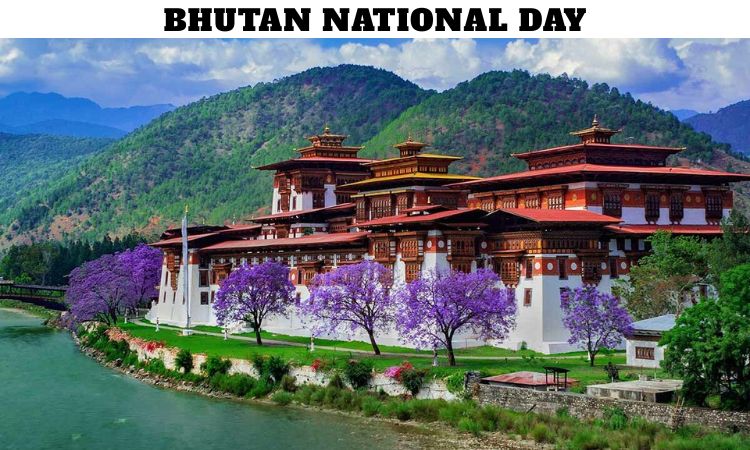
Bhutan National Day is observed with immense pride and deep reverence every year on December 17, marking one of the most defining moments in the history of Bhutan. This historic day commemorates the enthronement of the first hereditary monarch, Druk Gyalpo Ugyen Wangchuck, in 1907, an event that laid the foundation of modern Bhutan and unified the nation under a single visionary leadership. As a symbol of national identity, Bhutan National Day, December 17, represents continuity, stability, and the enduring bond between the monarchy and the people.
We observe Bhutan National Day not merely as a public holiday but as a living expression of Bhutanese values, cultural resilience, and spiritual harmony. The day reflects the country’s unwavering commitment to sovereignty, peace, and Gross National Happiness.
Historical Significance of Bhutan National Day
The significance of Bhutan National Day is deeply rooted in Bhutan’s transformation from a fragmented regional governance system into a unified kingdom. In 1907, leaders, monks, and representatives from across the country gathered at Trongsa Dzong, where Ugyen Wangchuck was unanimously crowned as the first King of Bhutan.
This event marked:
The birth of the Wangchuck dynasty
The end of internal divisions
The establishment of strong central governance
Since that historic moment, Bhutan National Day has stood as a reminder of visionary leadership, political foresight, and national cohesion.
Why December 17 Holds a Sacred Place in Bhutanese History?
December 17 is not an arbitrary date. It symbolizes the transition from uncertainty to unity. On this day, Bhutan embraced a monarchy that would guide the nation through modernization while preserving its cultural and spiritual essence.
We recognize Bhutan National Day as:
A day of national reflection
A reaffirmation of loyalty to the monarchy
A celebration of peaceful governance
Grand National Celebrations Across Bhutan
Ceremonial Observances
The main Bhutan National Day celebration is held at Trongsa Dzong, the ancestral seat of the Wangchuck dynasty. Members of the Royal Family, government officials, monks, and citizens gather to pay homage.
Key ceremonial highlights include:
Royal addresses
Offerings and prayers
Traditional honor ceremonies
Cultural Performances
Cultural heritage takes center stage during Bhutan National Day. We witness:
Mask dances (Cham)
Folk songs and traditional music
Regional dances showcasing Bhutan’s diversity
These performances reinforce the nation’s commitment to preserving its intangible cultural heritage.
Bhutan National Day and the Monarchy
The monarchy remains the cornerstone of Bhutanese society. Bhutan National Day celebrates the unbroken lineage of kings who have prioritized the well-being of the people above all else.
We honor:
The wisdom of past kings
The progressive vision of the present monarch
The monarchy’s role in safeguarding Bhutanese identity
This deep-rooted respect is visible in every aspect of the national celebrations.
National Unity and Identity on Bhutan National Day
Bhutan National Day is a poignant reminder of the country’s collective national identity. Citizens from all walks of life come together, dressed in traditional attire, reinforcing unity and shared purpose.
We observe:
A strong sense of patriotism
Renewed commitment to national values
Pride in Bhutan’s unique development philosophy
Spiritual Importance of Bhutan National Day
Spirituality is inseparable from Bhutanese life. On Bhutan National Day, monasteries across the country conduct special prayers for:
Peace
Prosperity
National harmony
The integration of spiritual practices elevates the day beyond political history, anchoring it firmly in Bhutan’s Buddhist ethos.
Bhutan National Day in Modern Times
In the contemporary era, Bhutan National Day reflects Bhutan’s balance between tradition and progress. While honoring its past, the nation also highlights:
Democratic development
Environmental leadership
Cultural preservation amid globalization
We recognize Bhutan National Day as a testament to sustainable governance and cultural continuity.
Educational and Youth Engagement Activities
Educational institutions actively participate in Bhutan National Day celebrations, organizing:
Historical exhibitions
Essay competitions
Cultural showcases
These initiatives ensure that younger generations understand the significance of Bhutan National Day and carry its values forward.
Global Recognition of Bhutan National Day
As Bhutan’s international presence grows, Bhutan National Day is increasingly recognized worldwide. Diplomatic missions and Bhutanese communities abroad commemorate the day through:
Cultural programs
Flag hoisting ceremonies
Educational events
This global observance strengthens Bhutan’s soft power and cultural diplomacy.
Symbols Associated with the Bhutan National Day
Several national symbols are prominently displayed during Bhutan National Day, including:
The national flag
Traditional dress, such as the Gho and the Kira
Royal insignia
These symbols reinforce national pride and historical continuity.
Why Bhutan National Day Matters Today?
In a rapidly changing world, Bhutan National Day stands as a reminder of:
Stability through values-based leadership
The importance of cultural preservation
Unity rooted in shared history
We observe this day with gratitude for the past and confidence in the future.
Conclusion: The Enduring Legacy of Bhutan National Day
Bhutan National Day is far more than a commemoration of a historical event. It is a celebration of Bhutan’s soul, reflecting unity, spirituality, and enlightened leadership. As we honor Bhutan National Day, we reaffirm our collective commitment to preserving the nation’s identity while embracing thoughtful progress.