

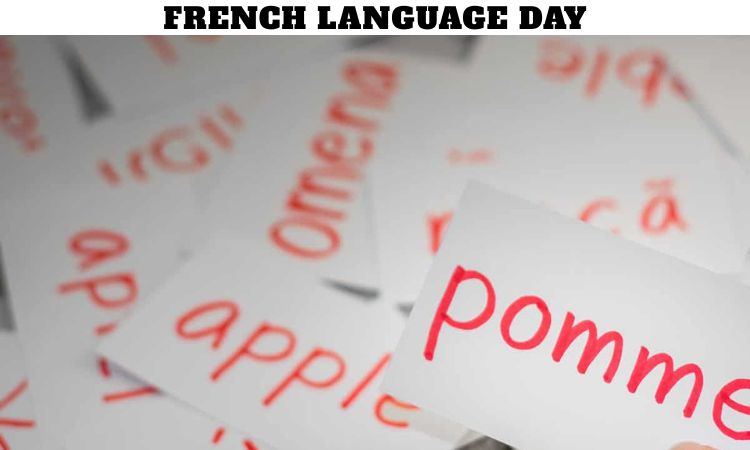
Every year on March 20, people around the world celebrate French Language Day, a special occasion dedicated to honoring the richness, diversity, and global importance of the French language. This day highlights not only linguistic heritage but also the cultural, diplomatic, and intellectual contributions that French speakers have made throughout history.
We observe this day as an opportunity to appreciate one of the world’s most influential languages — a language associated with literature, diplomacy, philosophy, fashion, gastronomy, and art. French Language Day encourages individuals, institutions, and communities to explore linguistic diversity and promote multilingual communication in a rapidly globalizing world.
Historical Background and Establishment
French Language Day was established by the United Nations as part of its initiative to celebrate the six official languages used within the organization. The date of March 20 also coincides with the International Day of La Francophonie, reflecting the shared commitment of French-speaking nations to promote cultural exchange and cooperation.
We recognize that the French language has evolved over centuries, shaped by historical movements such as the Renaissance, colonial expansion, and the Enlightenment. From royal courts in Europe to vibrant communities across Africa and Canada, French has become a truly global language with deep cultural roots.
Global Reach of the French Language
French is spoken by more than 300 million people across five continents, making it one of the most widely used languages in the world. It serves as an official or administrative language in numerous countries, including France, Canada, Belgium, Switzerland, and several African nations.
We observe that French continues to grow as a language of opportunity, especially in Africa, where populations are expanding rapidly. Its global presence is evident in:
International diplomacy and organizations
Academic research and higher education
Tourism and cultural industries
Global media and entertainment
French Language Day celebrates this widespread influence and encourages the preservation of linguistic diversity.
French as the Language of Diplomacy and International Relations
Historically, French has been regarded as the language of diplomacy, used in treaties, negotiations, and global discussions. Many international institutions still rely on French as a working language. Its precise vocabulary and elegant structure make it ideal for formal communication and legal documentation.
We acknowledge that learning French can open doors to careers in international relations, humanitarian work, and global business. French Language Day reminds us of the importance of multilingual communication in fostering peaceful cooperation and mutual understanding.
Cultural Contributions of the French Language
The French language has played a vital role in shaping world culture. From literary masterpieces to cinematic innovation, French-speaking artists and thinkers have profoundly influenced human creativity.
We celebrate the works of iconic writers such as Victor Hugo, whose novels and poetry continue to inspire readers worldwide. French philosophy, theatre, music, and visual arts have also contributed significantly to global cultural heritage.
French Language Day encourages exploration of:
Classic and modern French literature
French cinema and performing arts
Culinary traditions and gastronomy
Fashion and design innovation
Through these cultural expressions, the French language becomes a powerful medium of storytelling and identity.
Importance of French in Education and Career Development
French remains a popular second language choice for students around the world. Educational institutions recognize their value in enhancing cognitive skills, cultural awareness, and career prospects.
We observe that proficiency in French can lead to opportunities in:
International trade and commerce
Tourism and hospitality
Translation and interpretation
Teaching and academic research
French Language Day motivates learners to pursue language acquisition as a pathway to personal and professional growth.
French Language and the Concept of La Francophonie
La Francophonie represents a global community united by the French language and shared cultural values. It promotes cooperation among member countries in areas such as education, sustainable development, and human rights.
We understand that French Language Day strengthens this sense of unity, encouraging people from diverse backgrounds to celebrate linguistic heritage while embracing innovation and inclusivity.
Digital Transformation and the Future of French
In the modern digital era, the French language continues to adapt and thrive. Social media platforms, online learning tools, and multimedia content have expanded access to French education and cultural resources.
We note that technology has enabled:
Virtual language classrooms
French podcasts and video content
Interactive translation apps
Global online communities of learners
French Language Day highlights how digital transformation supports the preservation and evolution of linguistic traditions.
How is French Language Day Celebrated Worldwide?
Communities and institutions mark this day through a variety of engaging activities. Popular celebrations include:
Organizing French language workshops and competitions
Hosting cultural festivals featuring music, dance, and cuisine
Conducting storytelling and poetry reading sessions
Sharing educational content on social media
We encourage individuals to participate by learning new French phrases, exploring French films, or engaging with native speakers. These simple actions help strengthen global appreciation for linguistic diversity.
Benefits of Learning the French Language
Learning French offers numerous advantages beyond communication. It enhances creativity, broadens perspectives, and fosters empathy toward different cultures.
We recognize key benefits such as:
Improved memory and analytical thinking
Greater travel experiences in French-speaking regions
Access to international academic programs
Stronger intercultural relationships
French Language Day serves as a reminder that language learning is a lifelong journey of discovery and connection.
Challenges and Opportunities in Promoting French
Despite its widespread influence, the French language faces challenges in maintaining relevance amid the dominance of English in global communication. However, governments, educators, and cultural organizations continue to invest in initiatives that support French language education and media production.
We see this as an opportunity to innovate teaching methods, integrate technology, and encourage multilingualism as a valuable skill in the 21st century.
Conclusion: Honoring Linguistic Heritage and Global Unity
French Language Day on March 20 stands as a meaningful celebration of linguistic richness, cultural creativity, and international cooperation. It reminds us that languages are more than communication tools — they are gateways to identity, history, and shared human experience.
Frequently Asked Questions (FAQs)
1. What is French Language Day?
French Language Day is observed on March 20 to celebrate the importance, history, and global influence of the French language and promote multilingualism.
2. Who established French Language Day?
It was established by the United Nations to recognize its six official languages and encourage cultural and linguistic diversity.
3. Why is French Language Day celebrated on March 20?
The date coincides with the International Day of La Francophonie, which celebrates cooperation among French-speaking countries and communities worldwide.
4. How many people speak French globally?
French is spoken by over 300 million people across different continents, making it one of the most widely used languages internationally.
5. In which countries is French an official language?
French is an official language in several countries, including France, Canada, Belgium, Switzerland, and many African nations.
6. Why is French known as the language of diplomacy?
Historically, French has been used in international treaties, negotiations, and global organizations, giving it a reputation as a formal diplomatic language.
7. How is French Language Day celebrated?
People celebrate by organizing language workshops, cultural events, poetry readings, film screenings, and social media campaigns promoting French learning.
8. What are the benefits of learning French?
Learning French can improve career opportunities, travel experiences, cultural understanding, and communication skills in international environments.
9. What is La Francophonie?
La Francophonie refers to the global community of French-speaking countries and organizations that collaborate on cultural, educational, and political initiatives.
10. Can beginners start learning French easily?
Yes, beginners can start learning French through online courses, mobile apps, language classes, and practice with native speakers, making it accessible worldwide.