

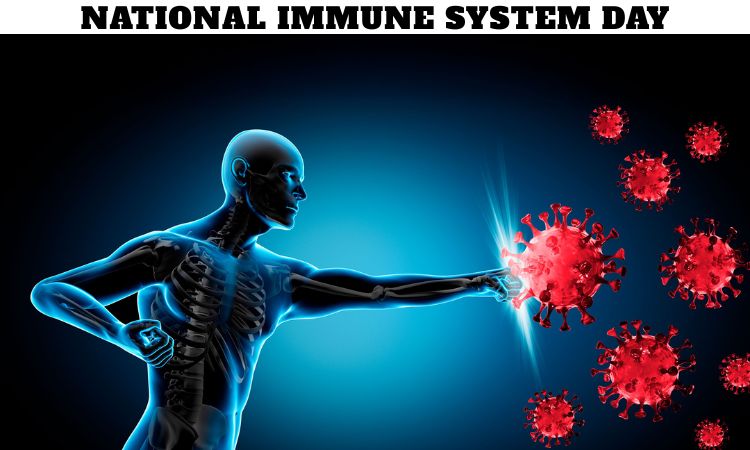
Every year on March 11, people observe National Immune System Day, a special occasion dedicated to raising awareness about the importance of maintaining a strong and healthy immune system. Our immune system is the body’s natural defense mechanism that protects us from harmful pathogens, infections, viruses, and diseases.
A healthy immune system plays a vital role in ensuring overall well-being. From fighting seasonal illnesses like colds and flu to protecting against more serious infections, the immune system works tirelessly to keep our bodies functioning properly. National Immune System Day reminds us to understand how this complex system works and how we can strengthen it through healthy lifestyle choices.
This article explores the meaning, importance, and ways to celebrate National Immune System Day, along with practical tips for improving immune health.
What Is National Immune System Day?
National Immune System Day is an awareness day celebrated on March 11 to highlight the significance of maintaining a healthy immune system. The immune system is responsible for defending the body against harmful microorganisms such as bacteria, viruses, parasites, and fungi.
The main purpose of this day is to encourage people to adopt habits that boost immunity, improve health, and prevent illnesses. Many health organizations and wellness advocates use this day to spread awareness about:
The role of the immune system
Ways to strengthen immunity naturally
The impact of lifestyle on immune health
Preventive healthcare practices
By educating people about immune health, National Immune System Day promotes a proactive approach to wellness.
Why Is the Immune System Important for Our Health?
The immune system acts as the body’s protective shield. Without it, our bodies would be vulnerable to countless infections and diseases.
The immune system performs several essential functions:
Protection Against Infections
The immune system identifies and destroys harmful pathogens before they can cause illness.
Disease Prevention
A strong immune system reduces the risk of infections such as flu, colds, and other contagious diseases.
Healing and Recovery
The immune system helps repair damaged tissues and supports recovery from injuries and illnesses.
Cancer Defense
Certain immune cells help detect and destroy abnormal cells that could develop into cancer.
Because of these crucial functions, maintaining a healthy immune system is essential for long-term health.
How Does the Immune System Work?
The immune system is a complex network of cells, tissues, organs, and proteins that work together to protect the body.
Key components of the immune system include:
White Blood Cells
White blood cells are the body’s primary defenders against infections. They identify harmful invaders and eliminate them.
Lymphatic System
The lymphatic system carries immune cells throughout the body and removes toxins and waste.
Bone Marrow
Bone marrow produces many of the immune cells needed to fight infections.
Spleen
The spleen filters blood and helps detect harmful bacteria.
Antibodies
Antibodies are specialized proteins that recognize and neutralize foreign invaders.
When the body encounters harmful pathogens, the immune system launches a coordinated response to eliminate them and protect the body.
What Are the Signs of a Weak Immune System?
A weakened immune system may struggle to fight infections effectively. Recognizing the signs of poor immune health is essential for taking preventive action.
Common signs of a weak immune system include:
Frequent colds or infections
Slow wound healing
Constant fatigue
Digestive problems
Recurring illnesses
High stress levels
Persistent inflammation
If these symptoms occur frequently, it may indicate that the immune system needs additional support through lifestyle improvements.
How Does Lifestyle Affect the Immune System?
Lifestyle choices play a major role in determining the strength of the immune system. Certain habits can either support immune health or weaken it over time.
Nutrition
A balanced diet rich in vitamins, minerals, and antioxidants supports immune function.
Sleep
Adequate sleep allows the body to repair itself and produce immune cells.
Physical Activity
Regular exercise improves circulation and supports immune responses.
Stress Management
Chronic stress can weaken the immune system and increase vulnerability to illness.
Hydration
Drinking enough water helps flush toxins and supports overall bodily functions.
By maintaining a healthy lifestyle, individuals can significantly strengthen their immune systems.
What Foods Help Boost the Immune System?
Nutrition plays a critical role in immune health. Certain foods contain nutrients that help strengthen the body’s natural defenses.
Here are some immune-boosting foods:
Citrus Fruits
Oranges, lemons, and grapefruits are rich in vitamin C, which helps increase white blood cell production.
Garlic
Garlic contains natural compounds that help fight infections.
Ginger
Ginger has anti-inflammatory and antioxidant properties.
Spinach
Spinach provides vitamin C, antioxidants, and beta carotene.
Yogurt
Probiotic-rich foods like yogurt support gut health, which plays a key role in immune function.
Almonds
Almonds contain vitamin E, an important nutrient for immune support.
Including these foods in daily meals can significantly improve immune health.
What Habits Strengthen the Immune System Naturally?
Building a strong immune system requires consistent healthy habits. On National Immune System Day, people are encouraged to adopt the following practices:
Maintain a Balanced Diet
Eat a variety of fruits, vegetables, whole grains, and healthy proteins.
Exercise Regularly
Moderate exercise helps improve the immune system’s efficiency.
Get Enough Sleep
Adults should aim for 7–9 hours of quality sleep each night.
Reduce Stress
Activities like meditation, yoga, and deep breathing can reduce stress levels.
Stay Hydrated
Proper hydration supports overall body function and immune response.
Avoid Harmful Habits
Limiting alcohol consumption and avoiding smoking are essential for immune health.
By following these habits, individuals can maintain a resilient immune system.
How Do Vaccines Support the Immune System?
Vaccines play a crucial role in strengthening the immune system by preparing it to fight specific diseases.
Vaccination works by exposing the immune system to a harmless version of a pathogen, allowing the body to develop protective antibodies. When the real pathogen appears, the immune system can quickly recognize and eliminate it.
Vaccines have helped control and eliminate many diseases, including:
Measles
Polio
Influenza
Hepatitis
COVID-19
On National Immune System Day, health experts often encourage people to stay up to date with recommended vaccinations.
How Can People Celebrate National Immune System Day?
There are many meaningful ways to observe National Immune System Day.
Learn About Immune Health
Educate yourself about how the immune system works and ways to protect it.
Adopt Healthier Habits
Start incorporating immune-boosting foods and exercise routines into daily life.
Spread Awareness
Share information about immune health with friends, family, and social media communities.
Support Wellness Initiatives
Participate in community health programs or awareness campaigns.
Schedule Health Checkups
Use the day as a reminder to prioritize preventive healthcare.
Celebrating National Immune System Day encourages individuals to take responsibility for their health.
Why Is Immune System Awareness More Important Than Ever?
Recent global health challenges have highlighted the importance of maintaining strong immunity. A healthy immune system helps the body respond effectively to infections and recover faster.
Modern lifestyles often include:
Poor dietary habits
Lack of physical activity
High stress levels
Insufficient sleep
These factors can weaken the immune system over time. National Immune System Day serves as a reminder that maintaining good health requires conscious effort and consistent lifestyle choices.
What Is the Key Message of National Immune System Day?
The core message of National Immune System Day is simple: taking care of your immune system is essential for a healthy life.
Our immune system works around the clock to protect us, and supporting it through proper nutrition, exercise, sleep, and stress management can significantly improve overall well-being.
By raising awareness about immune health, this day encourages people to:
Prioritize preventive healthcare
Make healthier lifestyle choices
Stay informed about wellness practices
Strengthen their natural defense systems
A strong immune system not only helps prevent illness but also enhances quality of life.
National Immune System Day reminds us that small daily habits can have a powerful impact on long-term health. By understanding and supporting our body’s natural defense system, we take an important step toward living healthier, happier lives.