

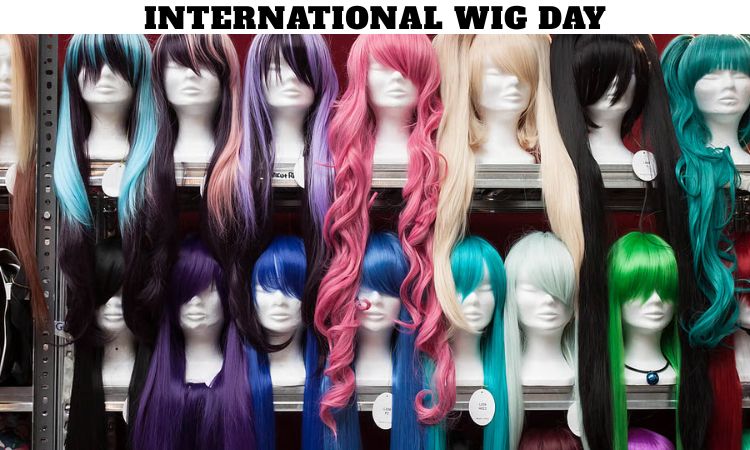
Every year on March 10, people around the world celebrate International Wig Day, a unique occasion dedicated to appreciating the creativity, history, and cultural importance of wigs. From fashion statements and theatrical costumes to medical support and cultural traditions, wigs have played an essential role in human society for centuries.
International Wig Day is more than just a fun celebration of colorful hairstyles. It highlights how wigs empower individuals, provide confidence, and serve as an important part of fashion, entertainment, and personal identity. On this day, people are encouraged to explore different styles, learn about the history of wigs, and appreciate the many ways wigs influence modern culture.
What Is International Wig Day?
International Wig Day, celebrated annually on March 10, is a day dedicated to recognizing wigs as an important part of fashion, self-expression, and cultural history. The day encourages people to experiment with hairstyles, wear wigs creatively, and appreciate how wigs help people feel confident and comfortable.
The celebration also raises awareness about wigs used for medical reasons, such as for individuals experiencing hair loss due to chemotherapy, alopecia, or other health conditions.
International Wig Day promotes inclusivity and creativity, allowing people to express themselves without limitations. Whether worn for fashion, performance, or personal confidence, wigs symbolize versatility and transformation.
The Fascinating History of Wigs
Wigs have a long and fascinating history that dates back thousands of years. The earliest known use of wigs can be traced to ancient Egypt around 3400 BCE. Both men and women wore wigs to protect their shaved heads from the intense desert sun while also displaying social status.
Egyptian wigs were often made from human hair, wool, or plant fibers, and wealthy individuals decorated them with beads and gold ornaments.
During the Roman Empire, wigs became popular among aristocrats who used them as symbols of wealth and power. Roman women often wore elaborate wigs to create fashionable hairstyles that were difficult to achieve naturally.
The popularity of wigs reached its peak during the 17th and 18th centuries in Europe. Kings, judges, and aristocrats wore large powdered wigs as a sign of authority and sophistication. In fact, King Louis XIV of France made wigs extremely fashionable across Europe when he began wearing them to cover hair loss.
Even today, ceremonial wigs are still worn by judges and lawyers in some countries, reflecting the lasting influence of historical traditions.
Why Are Wigs Important in Fashion?
Wigs have always played an important role in the fashion industry. Designers, stylists, and celebrities frequently use wigs to create dramatic transformations without permanently changing their natural hair.
In modern fashion, wigs allow individuals to:
Experiment with different hairstyles
Change hair color instantly
Protect natural hair from styling damage
Create bold and artistic looks
Fashion shows, photo shoots, and red-carpet events often feature creative wigs that help designers showcase their artistic vision. Wigs also make it possible for people to express their personality through constantly changing styles.
Many celebrities use wigs as part of their signature look, proving that wigs are a powerful fashion accessory rather than just a necessity.
How Do Wigs Support People Experiencing Hair Loss?
One of the most meaningful aspects of wigs is their ability to support individuals who experience medical hair loss. People undergoing chemotherapy treatments, dealing with alopecia, or facing other medical conditions often turn to wigs to restore their confidence.
Medical wigs, often called cranial prostheses, are specially designed to provide comfort and a natural appearance. These wigs can be made from either synthetic fibers or real human hair.
For many individuals, wearing a wig can help them feel more like themselves during difficult times. It allows them to maintain their personal identity and feel comfortable in social situations.
International Wig Day also highlights organizations and charities that donate wigs to people in need, spreading awareness about the importance of emotional support during medical challenges.
Wigs in Entertainment and Performance
Wigs are essential tools in the entertainment industry, particularly in theater, film, and television. Actors rely on wigs to transform into characters from different time periods, cultures, and fictional worlds.
In stage performances, wigs help bring characters to life while maintaining continuity throughout long productions. Costume designers carefully select wig styles that match the historical or creative context of the story.
Wigs are also widely used in:
Film productions
Television series
Music videos
Cosplay and comic conventions
Drag performances
The drag community, in particular, has embraced wigs as an art form. Bold, colorful, and oversized wigs are often used to create dramatic visual performances that celebrate creativity and individuality.
Cultural Significance of Wigs Around the World
Wigs hold cultural significance in many societies across the globe. In some cultures, wigs symbolize status, tradition, and ceremonial importance.
For example:
In parts of Africa, traditional wigs and hairpieces represent social identity and heritage.
In Japan, historical wigs are used in Kabuki theater to represent different characters and personalities.
In Western legal traditions, judges and barristers in countries like the United Kingdom wear ceremonial wigs as part of their official attire.
These traditions demonstrate that wigs are not only fashion accessories but also important cultural symbols that reflect heritage and identity.
Types of Wigs Used Today
Modern wigs come in a wide variety of styles, materials, and designs. Some of the most popular types include:
Synthetic Wigs
Synthetic wigs are made from artificial fibers designed to mimic natural hair. They are affordable, easy to maintain, and available in many styles.
Human Hair Wigs
Human hair wigs offer the most natural appearance and can be styled just like real hair. They are more expensive but provide greater versatility.
Lace Front Wigs
Lace front wigs create a natural-looking hairline by attaching individual strands to a lace base. These wigs are widely used in film and fashion.
Costume Wigs
These wigs are used for parties, Halloween, cosplay, and theatrical performances. They often feature bright colors and unique shapes.
Each type of wig serves a different purpose, making wigs accessible for both everyday use and special occasions.
How do people celebrate International Wig Day?
International Wig Day is celebrated with creativity and fun around the world. People participate in the celebration in various ways, including:
Wearing Unique Wigs
Many individuals wear colorful or unusual wigs to express creativity and celebrate the day.
Hosting Themed Parties
Some people organize wig-themed events where guests show off their most imaginative hairstyles.
Social Media Challenges
Online communities share photos and videos of people wearing wigs using hashtags related to International Wig Day.
Charity Events
Organizations host fundraising campaigns to provide wigs for individuals experiencing medical hair loss.
These activities bring awareness to the versatility of wigs while promoting confidence and creativity.
Tips for Choosing the Perfect Wig
Selecting the right wig can enhance both comfort and style. Here are some helpful tips:
Choose a wig that matches your face shape.
Select a breathable cap design for comfort.
Consider human hair wigs if you want styling flexibility.
Pick colors that complement your skin tone.
Ensure the wig fits properly for a natural appearance.
Taking time to choose the right wig ensures a more comfortable and confident experience.
The Growing Wig Industry
The global wig industry has grown significantly in recent years. Increased demand from the fashion, entertainment, and healthcare sectors has expanded the market for wigs worldwide.
Advancements in wig technology have also improved comfort, realism, and durability. High-quality wigs now look extremely natural and can be customized to suit individual preferences.
Online retailers, beauty salons, and specialty wig boutiques have made wigs more accessible than ever before.
Why International Wig Day Matters?
International Wig Day is not only a celebration of fashion and creativity but also a reminder of the positive impact wigs can have on people’s lives. For some, wigs represent artistic expression. For others, they provide emotional support during challenging times.
The day encourages acceptance, inclusivity, and confidence, reminding us that personal style has no limits. Whether worn for fun, fashion, or medical reasons, wigs empower individuals to express themselves freely.
Conclusion
International Wig Day on March 10 celebrates the fascinating world of wigs and their influence on fashion, culture, and personal confidence. With a history stretching back thousands of years, wigs continue to evolve as powerful tools of transformation and creativity.