

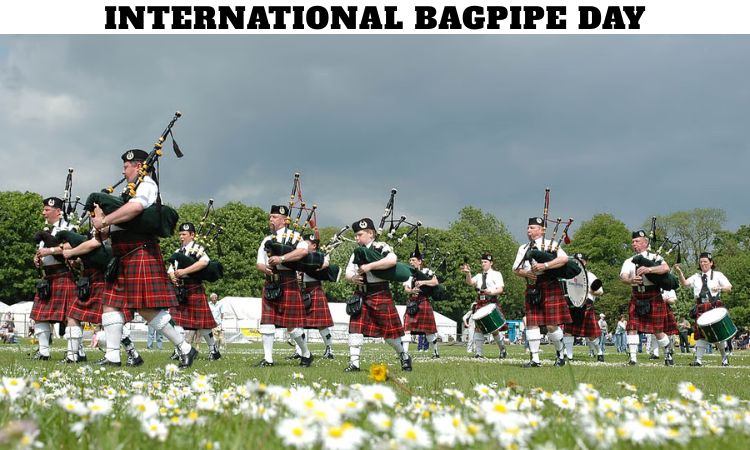
Music has always played a vital role in expressing culture, history, and identity. Among the world’s most recognizable musical instruments, the bagpipe holds a special place due to its unique sound and deep cultural significance. International Bagpipe Day, celebrated every year on March 10, honors the heritage, craftsmanship, and musical traditions associated with bagpipes across different cultures. This global celebration brings together musicians, historians, and music lovers to recognize the lasting influence of bagpipes in traditional and modern music.
From the hills of Scotland to cultural festivals worldwide, the powerful and soulful sound of bagpipes continues to inspire audiences. On this day, we explore the origins, significance, and global impact of this iconic instrument.
What Is International Bagpipe Day and Why Is It Celebrated on March 10?
International Bagpipe Day is an annual celebration dedicated to promoting the history, culture, and music of bagpipes worldwide. The event highlights the importance of bagpipes as one of the oldest and most distinctive musical instruments used across multiple cultures.
The day was established to bring recognition to the diverse family of bagpipes, which exists in many countries, including Scotland, Ireland, Spain, France, Italy, Greece, Bulgaria, and parts of the Middle East. While many people associate bagpipes primarily with Scottish culture, the instrument has been used in numerous societies for centuries.
By celebrating this day on March 10, musicians and cultural organizations host performances, educational events, and online activities to spread awareness about the instrument’s heritage and its role in global music traditions.
How Did Bagpipes Originate and Spread Across the World?
The history of bagpipes dates back more than 2,000 years, making them one of the oldest surviving musical instruments. Historical records suggest that early forms of bagpipes may have originated in ancient civilizations such as Mesopotamia, Greece, or Rome.
Roman armies are believed to have used early versions of the bagpipe during military ceremonies. As empires expanded, the instrument spread across Europe and the Mediterranean region. Over time, different cultures adapted the instrument to suit their musical traditions.
Some notable regional bagpipes include:
Great Highland Bagpipe (Scotland)
Uilleann Pipes (Ireland)
Gaita (Spain and Portugal)
Musette (France)
Gaida (Bulgaria and the Balkans)
Each variation has a unique construction, sound, and playing style. Despite these differences, all bagpipes share a common design: a bag reservoir that stores air, pipes that produce melody, and drones that create a continuous harmonic tone.
Why Are Bagpipes Strongly Associated With Scottish Culture?
Although bagpipes exist in many countries, they are most famously associated with Scottish heritage. The Great Highland Bagpipe became a powerful symbol of Scottish identity, especially during historical events and military traditions.
In Scotland, bagpipes have long been used in:
Clan ceremonies
Military marches
Cultural festivals
State celebrations
Traditional weddings and funerals
Scottish regiments played bagpipes during battles to boost morale and communicate commands. Over time, the instrument became deeply connected with Scottish pride and tradition, making it one of the most recognizable cultural symbols of the nation.
Today, the stirring sound of bagpipes remains a highlight at Highland Games, parades, and national ceremonies.
What Makes the Sound of Bagpipes Unique?
One of the most remarkable features of bagpipes is their distinctive continuous sound. Unlike many wind instruments that rely solely on breath, bagpipes use an air-filled bag that maintains constant airflow to the pipes.
The instrument typically consists of:
The Bag: Stores air and allows continuous sound.
The Chanter: Produces the melody.
The Drones: Provide a constant harmonic background tone.
When a musician squeezes the bag while playing the chanter, the drones create a deep, resonant background sound, giving bagpipe music its powerful and dramatic character.
This unique combination of melody and drone produces a sound that is instantly recognizable and emotionally impactful.
How Is International Bagpipe Day Celebrated Around the World?
Every year on March 10, musicians, cultural organizations, and bagpipe enthusiasts organize events to celebrate the instrument’s heritage. These celebrations take place both in person and online, allowing people worldwide to participate.
Common ways International Bagpipe Day is celebrated include:
Live Bagpipe Performances
Musicians perform traditional and modern bagpipe music at festivals, concerts, and cultural gatherings.
Educational Workshops
Music schools and cultural groups host workshops teaching the history, structure, and playing techniques of bagpipes.
Virtual Celebrations
Many organizations stream performances online to reach a global audience.
Community Events
Parades, cultural exhibitions, and storytelling sessions highlight the role of bagpipes in history and tradition.
These activities help preserve the art of bagpipe music while introducing new audiences to its rich legacy.
Which Countries Have Their Own Bagpipe Traditions?
While Scotland may be the most famous for bagpipes, many countries have developed their own variations of the instrument.
Some notable bagpipe traditions include:
Ireland
The Uilleann pipes are known for their complex musical range and softer tone compared to Scottish bagpipes.
Spain
The Galician gaita is widely used in Spanish folk music and cultural festivals.
Bulgaria
The gaida plays a central role in Balkan folk music traditions.
France
The musette de cour was historically popular in royal courts during the 17th and 18th centuries.
Italy
Italian regions use instruments like the zampogna, particularly during Christmas celebrations.
These diverse traditions demonstrate that bagpipes are truly a global musical heritage rather than belonging to a single culture.
How Do Bagpipes Influence Modern Music Today?
Although bagpipes are deeply rooted in tradition, they have also found their way into modern music genres. Contemporary artists and bands have incorporated bagpipes into rock, folk, and cinematic music to create powerful and dramatic sounds.
Examples include:
Folk rock bands using bagpipes in live performances
Film soundtracks featuring bagpipes for emotional impact
Military bands performing ceremonial music
Fusion music projects blending bagpipes with modern instruments
This evolving use of bagpipes ensures that the instrument remains relevant in modern music culture.
How Can You Participate in International Bagpipe Day?
Anyone can join the celebration of International Bagpipe Day, even without being a musician. Here are some simple ways to participate:
Listen to traditional bagpipe music
Attend local cultural events or parades
Watch online bagpipe performances
Learn about different bagpipe traditions worldwide
Share information about the day on social media
Supporting bagpipe music helps preserve an important cultural tradition and encourages future generations to learn and appreciate the instrument.
What Is the Cultural Importance of Preserving Bagpipe Music?
Bagpipe music is more than just entertainment—it represents centuries of history, storytelling, and cultural identity. Each melody and tune often reflects historical events, community traditions, or regional pride.
Preserving bagpipe music ensures that these cultural expressions continue to thrive. Organizations, musicians, and educators work together to keep the tradition alive by teaching new players and organizing cultural events.
International Bagpipe Day plays a crucial role in highlighting the importance of cultural preservation through music.
Why Does International Bagpipe Day Matter Today?
In a rapidly modernizing world, cultural traditions can sometimes fade away. International Bagpipe Day serves as a reminder that traditional instruments like the bagpipe still hold great artistic and historical value.
By celebrating this day, we acknowledge the contributions of musicians, instrument makers, and cultural communities who have kept the tradition alive for centuries. The event also introduces younger generations to the beauty and power of bagpipe music.
Through global celebrations and performances, the spirit of bagpipe music continues to resonate across cultures and continents.
Conclusion
International Bagpipe Day on March 10 is a global celebration of one of the world’s most distinctive musical instruments. With a history spanning thousands of years, bagpipes represent a powerful blend of culture, heritage, and musical artistry.