

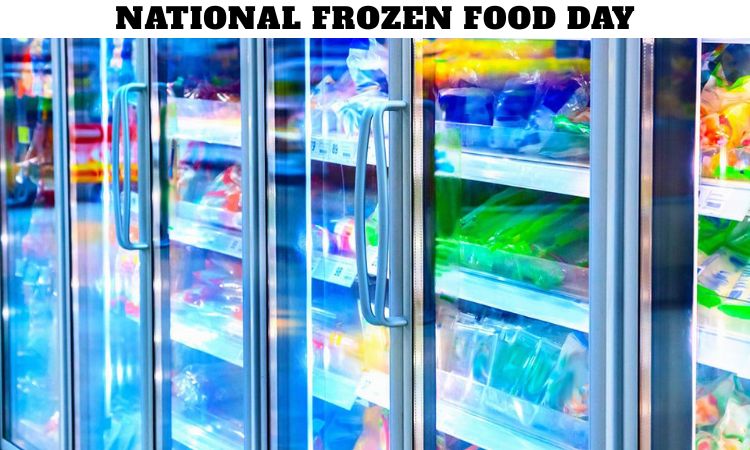
National Frozen Food Day is celebrated every year on March 6 to recognize the convenience, innovation, and impact of frozen foods in our daily lives. From frozen vegetables and ready-to-eat meals to ice cream and seafood, frozen foods have transformed the way people cook, shop, and preserve nutrition. This special day highlights the history, benefits, and growing importance of frozen food in modern households.
Whether you rely on frozen meals for busy weekdays or stock up on frozen fruits for smoothies, National Frozen Food Day is the perfect opportunity to appreciate the role frozen products play in saving time, reducing food waste, and maintaining quality.
What Is National Frozen Food Day?
National Frozen Food Day is a food observance dedicated to celebrating frozen food products and the technological advancements that make them possible. The day recognizes how freezing has revolutionized food preservation, making it easier for families to enjoy seasonal foods year-round.
Freezing locks in freshness, preserves nutrients, and extends shelf life without the need for artificial preservatives. As lifestyles become busier, frozen food has become an essential part of kitchen planning for millions of households worldwide.
Why Is National Frozen Food Day Celebrated on March 6?
March 6 was chosen to honor the contributions of pioneers in the frozen food industry, especially the inventor who transformed freezing into a reliable food preservation method. The date marks the anniversary of significant milestones in commercial frozen food production in the United States.
One of the most important figures associated with frozen food innovation is Clarence Birdseye. His groundbreaking quick-freezing techniques in the early 20th century laid the foundation for the frozen food industry as we know it today.
National Frozen Food Day celebrates not only the products themselves but also the science and innovation behind them.
Who Was Clarence Birdseye and Why Is He Important?
Clarence Birdseye is widely regarded as the father of modern frozen food. In the 1920s, he observed that fish caught in extremely cold Arctic conditions froze rapidly and retained their fresh taste when thawed.
Inspired by this discovery, Birdseye developed a quick-freezing process that preserved food at peak freshness. His company later became part of the well-known brand Birds Eye, which remains a leading name in frozen food products today.
His innovation revolutionized the way food is stored and distributed, making frozen food a household staple across the globe.
How Did Frozen Food Change the Way We Eat?
Before modern freezing methods, food preservation relied heavily on salting, smoking, or canning. While effective, these methods often altered taste and texture. Quick-freezing preserved food more naturally, keeping its original flavor and nutrients intact.
Frozen food has transformed eating habits by:
Making seasonal fruits and vegetables available year-round
Offering quick meal solutions for busy families
Reducing spoilage and food waste
Expanding global food distribution
Today, consumers can enjoy berries in winter, seafood far from coastal areas, and international cuisines without leaving their homes — all thanks to freezing technology.
Are Frozen Foods Nutritious?
One common misconception is that frozen food is less healthy than fresh food. However, many frozen fruits and vegetables are frozen at peak ripeness, which helps preserve their nutritional value.
In fact, studies have shown that frozen produce can retain vitamins and minerals as effectively as, or sometimes better than, fresh produce stored for several days. Because frozen items are preserved without the need for preservatives, they can be a nutritious option.
Of course, the nutritional quality depends on the type of product. Whole frozen fruits, vegetables, lean proteins, and minimally processed items tend to be healthier choices than heavily processed frozen meals high in sodium or saturated fats.
What Types of Frozen Foods Are Most Popular?
Frozen food aisles today are more diverse than ever. Popular categories include:
Frozen vegetables and fruits
Ready-to-eat meals
Frozen seafood
Frozen meats and poultry
Ice cream and desserts
Pizza and snacks
Brands like Birds Eye and Nestlé have played major roles in expanding the frozen food market globally.
In recent years, plant-based frozen meals, organic frozen produce, and gourmet frozen options have gained popularity as consumer preferences evolve.
How Does Freezing Preserve Food?
Freezing slows down the growth of bacteria, yeast, and mold by lowering the temperature to levels where microorganisms cannot thrive. It also slows enzyme activity that can cause spoilage.
Quick-freezing technology creates smaller ice crystals within food, preventing damage to cell structure. This helps maintain texture and flavor after thawing.
The key principles of freezing include:
Rapid temperature reduction
Proper packaging to prevent freezer burn
Consistent cold storage
These techniques ensure that food remains safe and high-quality for extended periods.
How Does Frozen Food Reduce Food Waste?
Food waste is a global challenge, and frozen food plays an important role in addressing it. Because frozen products have longer shelf lives, they are less likely to spoil before being used.
Consumers can portion out frozen items as needed, reducing the likelihood of throwing away unused food. Restaurants and food service providers also rely on frozen products to manage inventory more efficiently.
By extending shelf life and minimizing spoilage, frozen food supports more sustainable consumption habits.
How Has the Frozen Food Industry Evolved Over Time?
The frozen food industry has come a long way since its early days. What began with frozen fish and vegetables has expanded into a multi-billion-dollar global market offering thousands of product varieties.
Technological advancements include:
Flash freezing
Improved packaging materials
Cold chain logistics
Temperature-controlled transportation
Major food companies like Nestlé have invested heavily in research and development to enhance quality, taste, and sustainability in frozen products.
The industry continues to innovate, responding to trends such as plant-based diets, gluten-free options, and high-protein meal solutions.
Why Are Frozen Foods Ideal for Busy Lifestyles?
Modern life often leaves little time for elaborate meal preparation. Frozen foods offer convenience without sacrificing taste.
Benefits for busy households include:
Quick preparation times
Minimal cleanup
Reduced grocery trips
Reliable portion control
Frozen meals can be lifesavers for working professionals, students, and families managing tight schedules. They allow people to enjoy home-style meals even on hectic days.
How Can You Celebrate National Frozen Food Day?
There are many fun and practical ways to celebrate National Frozen Food Day on March 6:
Try a new frozen recipe using vegetables or seafood.
Host a frozen food-themed dinner party.
Explore healthier frozen meal options.
Support local grocery stores offering frozen goods.
Learn about the history of freezing technology.
You can also share your favorite frozen food dishes on social media to spread awareness about the day.
Are There Environmental Concerns with Frozen Food?
While frozen food reduces waste, it does require energy for cold storage and transportation. The environmental impact depends on:
Energy sources used for freezing
Packaging materials
Transportation methods
Many companies are working to improve sustainability by using recyclable packaging and energy-efficient refrigeration systems.
Consumers can contribute by properly storing frozen foods and minimizing freezer energy consumption.
What Does the Future Hold for Frozen Food?
The frozen food industry continues to grow, driven by changing consumer habits and technological innovation. Future trends may include:
More plant-based frozen meals
AI-driven supply chain management
Eco-friendly packaging solutions
Smart freezers that track inventory
As demand for convenience and sustainability rises, frozen food will likely play an even bigger role in global food systems.
Why Is National Frozen Food Day Important?
National Frozen Food Day is more than just a celebration of convenience. It recognizes the innovation that allows people to access safe, nutritious food year-round. It also highlights the importance of food preservation in reducing waste and supporting global food security.
From the pioneering work of Clarence Birdseye to the global success of brands like Birds Eye, frozen food has reshaped the culinary landscape.