

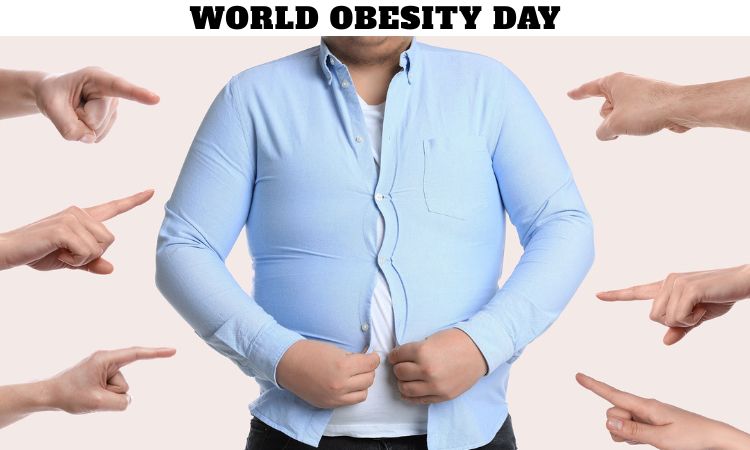
What Is World Obesity Day and Why Is It Observed on March 4?
World Obesity Day, observed every year on March 4, is a global health awareness initiative dedicated to addressing the rising epidemic of obesity. Spearheaded by the World Obesity Federation, this day brings together healthcare professionals, policymakers, researchers, and communities to spotlight the complex causes and consequences of obesity.
We recognize that obesity is not merely a matter of individual lifestyle choices. It is a multifactorial disease influenced by genetics, environment, socio-economic factors, marketing practices, urban design, and access to healthcare. On March 4, global campaigns encourage evidence-based solutions, long-term prevention strategies, and compassionate treatment approaches that prioritize health over stigma.
World Obesity Day serves as a unified platform to call for coordinated global action, improved healthcare systems, and public awareness programs that foster sustainable change.
How Serious Is the Global Obesity Crisis Today?
The global obesity crisis has reached alarming proportions. According to international health bodies such as the World Health Organization, obesity rates have nearly tripled in many countries over the past few decades. Both developed and developing nations are witnessing sharp increases in overweight and obesity prevalence among adults and children alike.
We are facing a public health emergency. Obesity significantly raises the risk of non-communicable diseases including:
Type 2 diabetes
Cardiovascular disease
Hypertension
Stroke
Certain cancers
Fatty liver disease
Beyond physical health, obesity is linked to mental health challenges such as depression, anxiety, and low self-esteem. The economic burden is equally staggering, with healthcare systems struggling under rising treatment costs and productivity losses.
World Obesity Day emphasizes the urgency of reversing these trends through systemic change rather than short-term fixes.
What Are the Primary Causes of Obesity in Modern Society?
Obesity is driven by a complex interaction of biological, environmental, and behavioral factors. We identify several key contributors shaping today’s obesity landscape:
1. Highly Processed Food Environments
Modern diets are dominated by ultra-processed foods rich in sugar, salt, and unhealthy fats. Aggressive marketing and widespread availability make unhealthy options more accessible than nutritious alternatives.
2. Sedentary Lifestyles
Urbanization and digital technology have reduced physical activity levels. Long hours of desk work, increased screen time, and reduced outdoor movement contribute significantly to weight gain.
3. Socioeconomic Disparities
Limited access to affordable healthy food and safe exercise spaces disproportionately affects low-income communities. Food deserts and poor urban planning intensify health inequalities.
4. Genetic and Hormonal Factors
Obesity has a biological basis in many individuals. Genetic predispositions, metabolic disorders, and hormonal imbalances can influence weight regulation mechanisms.
5. Psychological Stress and Sleep Deprivation
Chronic stress and inadequate sleep disrupt hormonal balance, increasing appetite and cravings for high-calorie foods.
World Obesity Day highlights the importance of addressing these root causes rather than oversimplifying obesity as a matter of willpower.
How Does Obesity Affect Children and Adolescents?
Childhood obesity has become one of the most pressing global health challenges. We are witnessing an unprecedented rise in overweight and obese children, leading to long-term health risks that extend into adulthood.
Obese children face increased risks of:
Early onset type 2 diabetes
Orthopedic complications
Respiratory problems
Social stigma and bullying
Psychological distress
Early intervention is critical. Schools, families, and communities must collaborate to promote balanced nutrition, active lifestyles, and mental well-being.
World Obesity Day reinforces the need for child-focused policies, improved school meal programs, and responsible food marketing regulations to safeguard the next generation.
What Role Do Governments and Policymakers Play in Combating Obesity?
Sustainable change requires strong public policy. We advocate for comprehensive strategies that include:
Taxation of sugary beverages
Clear front-of-pack nutritional labeling
Restrictions on junk food advertising to children
Urban planning that encourages physical activity
Subsidies for fresh fruits and vegetables
Governments play a pivotal role in shaping healthier food systems and creating environments that support healthier choices.
World Obesity Day encourages policymakers worldwide to implement evidence-based regulations and long-term public health strategies that prioritize prevention.
How Can Healthcare Systems Improve Obesity Treatment?
Obesity should be treated as a chronic disease requiring long-term medical care. Unfortunately, stigma and lack of proper training often hinder effective treatment.
We emphasize the importance of:
Multidisciplinary care teams
Nutritional counseling
Behavioral therapy
Medication when appropriate
Bariatric surgery in severe cases
Healthcare providers must receive proper education to deliver compassionate, science-based care. World Obesity Day promotes the integration of obesity management into mainstream healthcare services.
Why Is Addressing Weight Stigma Essential on World Obesity Day?
Weight stigma remains a significant barrier to progress. Individuals with obesity often experience discrimination in workplaces, schools, and healthcare settings.
We strongly advocate for:
Respectful communication
People-first language
Inclusive public health campaigns
Mental health support
Reducing stigma improves health outcomes by encouraging individuals to seek medical care without fear of judgment.
World Obesity Day calls for shifting the narrative from blame to understanding.
What Are Effective Prevention Strategies for Obesity?
Prevention begins with systemic transformation. We focus on actionable strategies that produce measurable impact:
Balanced Nutrition
Encouraging diets rich in whole grains, lean proteins, fruits, and vegetables while reducing added sugars and processed foods.
Regular Physical Activity
At least 150 minutes of moderate exercise per week for adults and daily active play for children.
Community-Based Programs
Local health campaigns, wellness workshops, and accessible recreational facilities foster healthier communities.
Workplace Wellness Initiatives
Employers can implement fitness incentives, mental health support, and nutritious meal options.
Early Education
Nutrition literacy and cooking skills empower families to make healthier decisions.
World Obesity Day underscores prevention as the most cost-effective and sustainable solution.
How Can Individuals Contribute to the Goals of World Obesity Day?
Every individual has a role in creating healthier societies. We encourage:
Advocating for healthy food policies
Supporting community wellness programs
Practicing mindful eating
Prioritizing physical movement
Spreading awareness through social platforms
Small, consistent lifestyle adjustments accumulate into meaningful health improvements over time.
What Is the Future Outlook for Global Obesity Prevention?
The future of obesity prevention depends on collaboration across sectors—healthcare, education, agriculture, transportation, and media.
Innovations in digital health tracking, personalized nutrition, and medical research are opening new avenues for intervention. However, lasting success will require political commitment and sustained public engagement.
World Obesity Day remains a catalyst for collective action. Each March 4, we renew our commitment to reversing obesity trends and building healthier societies worldwide.
Why Must We Act Now?
The consequences of inaction are profound. Rising healthcare costs, reduced life expectancy, and diminished quality of life threaten global well-being.
By prioritizing prevention, strengthening healthcare systems, combating stigma, and reforming food environments, we can reshape the trajectory of global health.