
What Is National Flapjack Day and When Is It Celebrated?
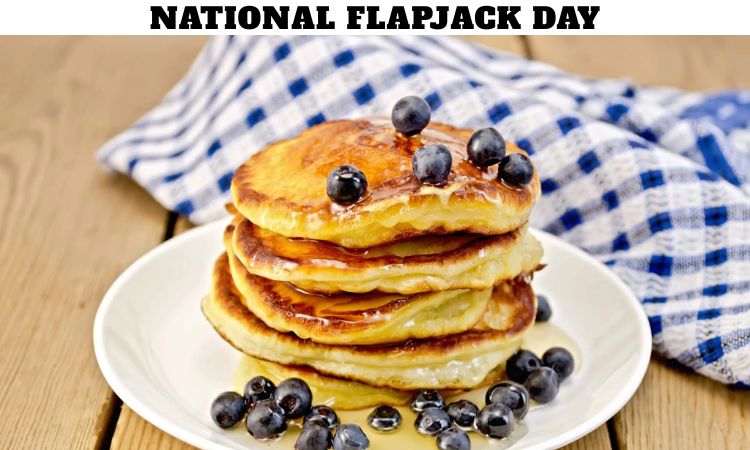
National Flapjack Day is celebrated every year on March 7, honoring one of the most comforting and beloved breakfast dishes—flapjacks. Soft, fluffy, golden-brown, and often topped with syrup, fruit, or butter, flapjacks have been a breakfast favorite for generations. This delicious day gives food lovers the perfect excuse to indulge in a warm stack of pancakes and celebrate the joy of simple, satisfying meals.
Although not an official public holiday, National Flapjack Day has gained popularity through restaurants, social media, and home celebrations. Families, friends, and food enthusiasts use the day to prepare homemade flapjacks, try new recipes, and share their favorite toppings.
National Flapjack Day is more than just about food—it’s about tradition, togetherness, and the happiness that comes from sharing a meal.
What Are Flapjacks?
In the United States, flapjacks are commonly known as pancakes—flat, round cakes made from a batter of flour, milk, eggs, and baking powder, cooked on a griddle or frying pan. They are soft inside, slightly crisp on the outside, and typically served warm.
Interestingly, the term “flapjack” can mean different things depending on the country. In the United Kingdom, flapjacks refer to baked oat bars made with butter, sugar, and golden syrup. However, National Flapjack Day in the U.S. primarily celebrates the pancake-style version.
Whether called pancakes, hotcakes, or griddlecakes, flapjacks remain a staple comfort food across cultures.
What Is the History of Flapjacks?
Flapjacks have a surprisingly long history that dates back thousands of years. Ancient civilizations, including the Greeks and Romans, cooked flat cakes made from wheat flour, olive oil, honey, and curdled milk. These early versions resemble modern pancakes.
In medieval Europe, pancakes became popular during Lent, as people used up rich ingredients like eggs and milk before fasting. Over time, the recipe evolved with the addition of baking powder, making pancakes fluffier and lighter.
In America, flapjacks became a frontier favorite. Pioneers traveling westward often carried simple ingredients like flour and baking soda, allowing them to cook flapjacks easily over campfires. This practicality made them a breakfast essential.
National Flapjack Day celebrates this rich culinary history and the dish’s evolution into a modern favorite.
Why Are Flapjacks So Popular?
Flapjacks are loved for their simplicity, versatility, and comforting taste. They require only a few basic ingredients and can be customized endlessly. Whether you prefer classic buttermilk pancakes or creative variations, flapjacks adapt to personal tastes.
Their appeal spans all ages. Children enjoy sweet toppings like chocolate chips and syrup, while adults may prefer fruit, nuts, or savory additions like bacon and eggs.
Flapjacks are also associated with relaxed weekend mornings and family breakfasts. The aroma of pancakes cooking on a griddle often brings feelings of warmth and nostalgia.
How Have Restaurants Popularized Flapjacks?
Restaurants and diners have played a significant role in keeping flapjacks popular. Chains like International House of Pancakes—commonly known as IHOP—have built entire menus around pancakes and breakfast foods. Their creative flavors, seasonal specials, and stacked presentations have made pancakes a centerpiece of American dining culture.
Other breakfast-focused restaurants frequently offer pancake specials on March 7, encouraging customers to celebrate National Flapjack Day with discounted stacks or new flavor combinations.
The restaurant industry has helped transform flapjacks from a simple home-cooked meal into a celebratory dining experience.
What Are the Most Popular Flapjack Toppings?
One of the best parts of eating flapjacks is choosing the toppings. Here are some classic and modern favorites:
Maple syrup and butter
Fresh berries and whipped cream
Chocolate chips
Peanut butter and banana
Caramel sauce
Honey and nuts
Yogurt and granola
Savory options are also growing in popularity. Some people top flapjacks with fried eggs, sausage, or smoked salmon for a unique twist.
National Flapjack Day is the perfect time to experiment with creative combinations.
How Can You Celebrate National Flapjack Day?
Celebrating National Flapjack Day can be simple and fun. Here are some ideas:
Make Homemade Flapjacks – Try a traditional recipe or experiment with flavors like blueberry or cinnamon.
Host a Flapjack Breakfast Party – Set up a topping bar and invite friends or family.
Visit a Local Diner – Support local businesses by enjoying a pancake breakfast out.
Try a Healthier Version – Use whole wheat flour or oats for a nutritious twist.
Share on Social Media – Post photos of your pancake creations and tag National Flapjack Day.
The focus is on enjoying good food and good company.
Are Flapjacks Healthy?
Flapjacks can be part of a balanced diet, depending on ingredients and portion size. Traditional pancakes contain carbohydrates and some protein from eggs and milk. Adding fruits increases fiber and vitamins.
Health-conscious versions may include whole grains, reduced sugar, or plant-based ingredients. Oat flour, almond milk, and natural sweeteners can enhance nutritional value.
However, heavy toppings like syrup and whipped cream add extra sugar and calories. Moderation is key to enjoying flapjacks while maintaining a healthy lifestyle.
National Flapjack Day offers an opportunity to explore healthier alternatives without sacrificing flavor.
What Are International Variations of Flapjacks?
Flapjack-style foods exist worldwide:
French crêpes are thinner and often filled with sweet or savory ingredients.
Russian blini are small, yeast-based pancakes often served with sour cream or caviar.
Japanese soufflé pancakes are thick, fluffy, and airy.
Ethiopian injera, though savory and fermented, shares the concept of flat cooked batter.
These variations show how the basic idea of cooking batter on a flat surface has evolved across cultures.
National Flapjack Day celebrates not only American pancakes but also the global love for similar dishes.
Why Do Flapjacks Create Nostalgia?
Flapjacks often remind people of childhood breakfasts, weekend mornings, or family gatherings. The process of mixing batter, flipping pancakes, and stacking them high becomes a shared experience.
The familiar scent of pancakes cooking on a griddle can instantly bring back memories of laughter and warmth. For many, flapjacks symbolize comfort and home.
This emotional connection makes National Flapjack Day particularly special, as it encourages people to revisit cherished traditions.
How Have Flapjacks Influenced Pop Culture?
Flapjacks frequently appear in movies, cartoons, and advertisements as symbols of hearty breakfasts and family bonding. Animated characters often enjoy towering stacks of pancakes, reinforcing their role as a fun and indulgent treat.
The image of syrup dripping down a tall stack has become iconic in food photography and media. Pancake-eating contests and breakfast challenges also showcase their cultural appeal.
Flapjacks are not just food—they are a recognizable symbol of comfort and celebration.
What Creative Flapjack Recipes Can You Try?
If you want to make National Flapjack Day memorable, try these variations:
Blueberry Buttermilk Flapjacks
Chocolate Chip Pancakes
Banana Walnut Pancakes
Pumpkin Spice Flapjacks
Protein-Packed Oat Pancakes
You can even make pancake sandwiches by layering eggs and cheese between two flapjacks.
Experimenting with flavors and textures keeps the tradition exciting.
What Is the Lasting Significance of National Flapjack Day?
National Flapjack Day is a celebration of comfort, creativity, and connection. From ancient flatbreads to modern gourmet pancakes, flapjacks have stood the test of time. They are affordable, easy to prepare, and endlessly adaptable.