

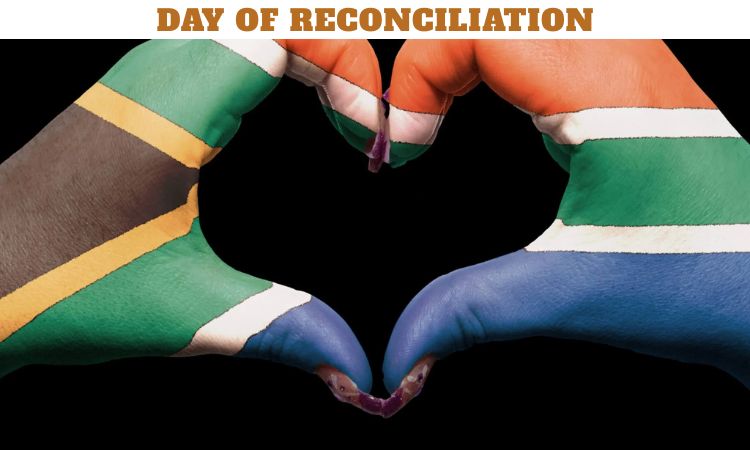
The Day of Reconciliation, observed every year on December 16, stands as one of the most meaningful public holidays in South Africa. It represents a deliberate and historic effort to heal the wounds of the past, foster national unity, and promote social cohesion among a diverse population shaped by centuries of conflict and division. More than a day off work, this occasion carries deep historical, cultural, and emotional significance for the nation.
We recognise the Day of Reconciliation as a cornerstone of South Africa’s democratic identity, a day that bridges painful history with collective hope. It reminds citizens of shared responsibility in building a peaceful, inclusive, and equitable society.
Historical Roots of December 16
December 16 was not randomly chosen. It is a date deeply embedded in South African history, marked by contrasting narratives. For Afrikaners, it commemorated the Battle of Blood River (1838), symbolising survival and victory. For many Black South Africans, the same date later came to represent resistance and sacrifice, particularly through the formation of Umkhonto we Sizwe in 1961, the armed wing of the liberation movement against apartheid.
By officially designating December 16 as the Day of Reconciliation in post-apartheid South Africa, the democratic government transformed a divisive date into one focused on dialogue, mutual respect, and shared remembrance. This reframing was intentional, aiming to unite communities once separated by ideology, race, and historical interpretation.
Purpose and National Importance
The Day of Reconciliation serves a clear national purpose:
To acknowledge historical injustices without perpetuating division
To encourage healing and forgiveness
To promote peaceful coexistence among all South Africans
We observe this day as a reminder that reconciliation is not a single event but an ongoing process. It requires honest reflection, accountability, and sustained commitment from individuals, institutions, and leadership.
Cultural and Social Significance
Culturally, the Day of Reconciliation reflects South Africa’s unique identity as the “Rainbow Nation.” It celebrates diversity while reinforcing shared values such as dignity, equality, and freedom. Across provinces, communities engage in cultural performances, storytelling, music, and interfaith gatherings that emphasize common humanity.
Socially, the day encourages conversations that are often uncomfortable but necessary. Topics such as land reform, economic inequality, historical trauma, and social justice are addressed openly, fostering awareness and understanding across generations.
How the Day of Reconciliation observed?
We see nationwide participation in a wide range of activities, including:
Official Government Events
National and provincial governments host formal ceremonies featuring keynote addresses, panel discussions, and remembrance services. These events often highlight progress made since 1994 while acknowledging ongoing challenges.
Community Dialogues and Workshops
Grassroots organizations organize reconciliation dialogues, youth forums, and peace-building workshops. These spaces allow citizens to share personal experiences, confront prejudice, and build empathy.
Educational Programs
Schools and universities use December 16 as an opportunity to teach students about the country’s complex history and the importance of reconciliation. Educational content focuses on critical thinking, historical context, and civic responsibility.
Cultural and Artistic Expression
Artists, musicians, poets, and filmmakers use creative platforms to express themes of healing, memory, and unity. Art becomes a powerful medium for reconciliation, transcending language and social barriers.
Role of Youth in Reconciliation
The youth play a central role in shaping the future meaning of the Day of Reconciliation. Born largely after apartheid, younger generations inherit its consequences without direct experience of its systems. We emphasize youth engagement through leadership programs, volunteer initiatives, and digital storytelling to ensure reconciliation remains relevant and forward-looking.
Empowering young people to lead conversations on identity, equality, and justice strengthens national resilience and continuity.
Economic and Tourism Impact
Beyond its social importance, the Day of Reconciliation also contributes to domestic tourism and local economies. Public events, heritage site visits, and cultural festivals attract visitors, supporting small businesses and community enterprises.
Historic landmarks, museums, and memorials experience increased attendance, reinforcing the connection between economic activity and cultural preservation.
Reconciliation in a Modern Context
Reconciliation today extends beyond race. It encompasses issues of gender equality, economic disparity, xenophobia, and social inclusion. We understand that true reconciliation must address systemic inequalities and ensure equal access to opportunities.
The Day of Reconciliation provides a national platform to assess progress, renew commitments, and align policy goals with lived realities.
Global Relevance of the Day of Reconciliation
South Africa’s approach to reconciliation is globally recognized. Countries emerging from conflict study its Truth and Reconciliation framework as a model for peaceful transition. December 16 therefore resonates beyond national borders, symbolizing how divided societies can pursue unity without erasing history.
Why the Day of Reconciliation Still Matters?
Decades after the end of apartheid, the Day of Reconciliation remains profoundly relevant. Social tensions, economic gaps, and historical mistrust have not disappeared. We observe this day to reaffirm shared values and collective responsibility.
Reconciliation is not passive. It demands participation, courage, and sustained dialogue. December 16 reminds us that unity is built through action, not symbolism alone.
Conclusion
The Day of Reconciliation on December 16 stands as a powerful reminder of South Africa’s journey from division to democracy. It transforms a historically charged date into a unifying national moment rooted in healing, understanding, and shared purpose. We observe it not only to remember the past but also to actively shape a more just and inclusive future.