

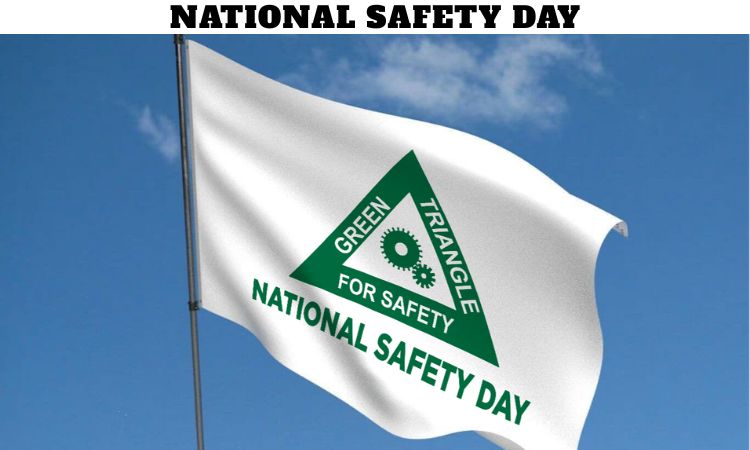
What Makes National Safety Day on March 4 So Important for Workplace and Public Awareness?
National Safety Day, observed annually on March 4, stands as a powerful reminder of our collective responsibility toward safety, health, and environmental protection in workplaces, communities, and homes. We recognize this day as an opportunity to strengthen awareness about accident prevention, risk management, and the adoption of safe practices across industries. The campaign is spearheaded by the National Safety Council, which plays a central role in promoting safety culture nationwide.
We understand that safety is not merely a regulatory requirement—it is a fundamental value that protects human life, productivity, and organizational growth. National Safety Day marks the beginning of National Safety Week (March 4–10), during which organizations conduct training programs, safety drills, awareness campaigns, and educational initiatives.
Why Do We Celebrate National Safety Day Every Year?
We celebrate National Safety Day to reinforce the importance of accident prevention strategies and encourage individuals and organizations to prioritize safety in daily operations. Rapid industrialization, urbanization, and technological advancements have increased workplace hazards, making safety education more crucial than ever.
Our observance aims to:
Promote occupational health and safety standards
Reduce workplace injuries and fatalities
Encourage employee participation in safety programs
Spread awareness about environmental protection
Foster a culture of prevention rather than reaction
Through consistent awareness campaigns, we create an environment where safety becomes a habit rather than an obligation.
How Did National Safety Day Originate?
National Safety Day traces its roots back to 1972, when organized efforts began to improve workplace safety standards across industries. The initiative emerged from the need to address rising industrial accidents and to establish structured safety guidelines.
Over the decades, the movement has expanded beyond factories to include:
Construction sites
Transportation sectors
Educational institutions
Healthcare facilities
Residential communities
Today, the observance represents a nationwide movement focused on sustainable safety practices.
What Is the Theme of National Safety Day and Why Does It Matter?
Every year, National Safety Day is celebrated with a unique theme designed to address emerging safety challenges. These themes typically focus on areas such as:
Workplace risk assessment
Road safety awareness
Mental health and well-being
Environmental sustainability
Technology-driven safety solutions
Themes help organizations align their campaigns with current risks and encourage innovative safety solutions. By adopting the annual theme, we ensure targeted awareness and measurable improvement in safety practices.
How Can Organizations Effectively Celebrate National Safety Day?
We believe meaningful participation requires structured planning and employee engagement. Organizations can celebrate National Safety Day through:
1. Safety Training Programs
Conducting workshops on hazard identification, emergency response, and personal protective equipment (PPE) usage enhances employee competence.
2. Mock Drills and Emergency Simulations
Fire drills, evacuation exercises, and disaster response simulations prepare employees for real-life emergencies.
3. Safety Competitions and Quizzes
Interactive activities like poster-making competitions, safety slogan contests, and quizzes boost engagement and awareness.
4. Equipment Inspections and Audits
Performing safety audits helps identify risks and ensures compliance with safety regulations.
5. Recognition and Awards
Acknowledging employees who demonstrate exceptional safety practices encourages positive behavior.
Through these initiatives, we create a proactive safety culture rather than a reactive one.
What Are the Key Benefits of Observing National Safety Day?
The impact of National Safety Day extends far beyond awareness campaigns. We experience tangible benefits such as:
Reduced workplace accidents and injuries
Improved employee morale and confidence
Higher productivity and operational efficiency
Enhanced organizational reputation
Compliance with legal safety standards
Lower insurance and compensation costs
A safe workplace is not only ethical but also economically beneficial, leading to long-term sustainability and growth.
Why Is Workplace Safety a Shared Responsibility?
We recognize that safety cannot be achieved through policies alone. It requires active participation from:
Employers
Employees
Safety officers
Government authorities
Communities
Employers must provide safe infrastructure, training, and protective equipment, while employees must follow safety protocols and report hazards promptly. Collaboration ensures a holistic safety ecosystem.
What Role Does Safety Awareness Play in Daily Life Beyond Workplaces?
National Safety Day is not limited to industrial environments. We also focus on safety in everyday life, including:
Road Safety
Following traffic rules, wearing helmets and seat belts, and avoiding distracted driving prevent accidents.
Home Safety
Installing fire alarms, securing electrical connections, and storing hazardous materials safely protect families.
Public Safety
Awareness about emergency numbers, disaster preparedness, and community vigilance strengthens societal safety.
By extending safety awareness to homes and communities, we build a culture of prevention across all aspects of life.
How Does Technology Improve Safety Standards Today?
Modern technology has revolutionized safety management through innovations such as:
Artificial intelligence for risk prediction
Wearable safety devices for workers
Smart surveillance systems
Automated emergency alerts
Digital safety training platforms
We leverage technology to identify hazards early, reduce human error, and ensure faster emergency responses. Technological integration results in data-driven safety decisions and improved compliance.
What Are the Most Common Workplace Hazards We Must Address?
Understanding risks is essential for prevention. Common workplace hazards include:
Slips, trips, and falls
Machinery accidents
Chemical exposure
Electrical hazards
Fire risks
Ergonomic injuries
Addressing these hazards requires risk assessments, proper training, and protective measures. Prevention strategies significantly reduce accident rates and improve employee well-being.
How Can Employees Contribute to a Strong Safety Culture?
We encourage employees to take ownership of safety by:
Following safety protocols consistently
Using personal protective equipment properly
Reporting unsafe conditions immediately
Participating in training programs
Supporting colleagues in safe practices
Employee involvement transforms safety programs into collective commitments rather than top-down instructions.
Why Is Environmental Safety an Essential Part of National Safety Day?
Environmental protection is closely linked to human safety. Pollution, hazardous waste, and ecological damage can lead to health risks and disasters. National Safety Day emphasizes:
Sustainable industrial practices
Waste management systems
Pollution control measures
Energy efficiency initiatives
We understand that protecting the environment ensures long-term safety for future generations.
What Steps Can We Take to Promote Safety Year-Round?
While March 4 is symbolic, safety must remain a continuous priority. We can maintain momentum by:
Conducting regular safety audits
Updating emergency response plans
Providing ongoing training
Encouraging feedback and reporting systems
Monitoring safety performance metrics
Consistency ensures safety becomes an organizational habit embedded in daily operations.
How Does National Safety Day Influence National Development?
A nation’s progress depends heavily on workforce health and productivity. By reducing accidents and improving workplace conditions, we achieve:
Stronger economic growth
Higher industrial output
Improved public health
Reduced healthcare costs
Enhanced global competitiveness
Safety awareness contributes directly to national development and social stability.
What Message Should We Take Forward from National Safety Day?
The core message is clear: Safety is everyone’s responsibility, every day. Awareness alone is not enough; action and commitment are essential. By embracing safety practices in workplaces, homes, and communities, we protect lives, resources, and the future.