

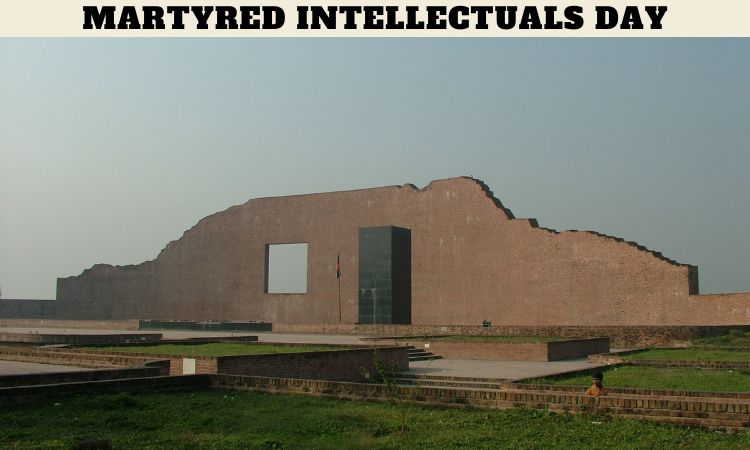
Martyred Intellectuals Day December 14 stands as a solemn national observance dedicated to honoring scholars, educators, physicians, journalists, artists, and thinkers who were brutally silenced on the eve of independence. We commemorate this day with dignity and resolve, recognizing that the loss of intellectual leadership was intended to cripple the moral and cultural backbone of a nation. Their sacrifice remains a defining chapter of history—one that continues to shape collective identity, ethical resolve, and the pursuit of truth.
Historical Context and National Significance
December 14 is remembered as a calculated attempt to erase a nation’s future by eliminating its brightest minds. On this day, intellectuals were abducted, tortured, and executed, leaving behind a vacuum that would challenge the rebuilding of institutions for generations. We observe Martyred Intellectuals Day not merely to recall tragedy, but to reaffirm national resilience. The day compels us to protect intellectual freedom, uphold academic integrity, and defend the voices that nurture progress.
Who Were the Martyred Intellectuals?
The martyrs represented a cross-section of society’s most influential thinkers—university professors shaping critical inquiry, doctors safeguarding public health, writers articulating cultural identity, and journalists defending accountability. Their lives embodied courage, rigor, and service. By honoring them, we honor the disciplines they strengthened and the values they upheld: truth, justice, education, and human dignity.
The Purpose Behind the Atrocities
The systematic targeting of intellectuals was designed to destabilize the foundations of a sovereign state. By removing mentors and leaders, the perpetrators sought to hinder governance, weaken cultural confidence, and delay development. We mark Martyred Intellectuals Day on December 14 to expose this calculated brutality and to ensure such crimes are neither forgotten nor repeated.
National Observances and Remembrance
Across the country, we commemorate the day through state ceremonies, memorial visits, academic programs, and moments of silence. Wreath-laying at memorials, public discussions, and scholarly tributes reinforce a shared commitment to memory and accountability. These observances elevate remembrance beyond ritual—transforming it into an enduring pledge to safeguard knowledge and conscience.
Education as Living Tribute
We believe the most powerful homage is the pursuit of excellence in education. By strengthening institutions, encouraging research, and nurturing critical thought, we convert loss into legacy. On Martyred Intellectuals Day, classrooms become sanctuaries of remembrance where students learn that ideas matter and that intellectual courage can change history.
Cultural Memory and Collective Responsibility
Remembrance is not static; it evolves through literature, art, film, and discourse. Cultural expressions keep memory alive, making history accessible to new generations. We carry a collective responsibility to preserve archives, document testimonies, and elevate narratives that honor the martyrs’ lives and ideals.
Lessons for Democracy and Human Rights
The events commemorated on Martyred Intellectuals Day, December 14, underscore the fragility of freedom when dissent is silenced. We draw enduring lessons about the protection of civil liberties, freedom of expression, and the independence of academia and media. Democracies flourish when intellectuals are protected—not persecuted.
Global Resonance and Universal Values
While rooted in national history, the observance resonates globally. The persecution of thinkers is a universal warning against authoritarianism and intolerance. By sharing this history with the world, we contribute to a broader human rights dialogue that champions knowledge as a pillar of peace and development.
Commemoration Through Scholarship and Innovation
We honor the martyrs by advancing the frontiers they once championed—science, the humanities, medicine, and the arts. Scholarships, research grants, and academic chairs dedicated in their memory transform remembrance into tangible progress. Such initiatives ensure that Martyred Intellectuals Day fuels innovation anchored in ethical purpose.
Media, Memory, and Accountability
Responsible journalism plays a vital role in preserving truth. Investigative reporting, documentaries, and archival projects ensure accuracy and accountability. We support media efforts that illuminate history with integrity, resisting distortion and denial.
Youth Engagement and the Future
Engaging youth is essential to sustaining remembrance. Debates, essay competitions, digital storytelling, and community service projects empower young people to connect history with present-day responsibilities. Through youth leadership, the values of the martyrs find continuity and renewed relevance.
A National Pledge Renewed
Each year on Martyred Intellectuals Day, December 14, we renew a pledge—to defend knowledge, protect conscience, and elevate humanity through learning. This day is not only about mourning; it is about commitment. Commitment to truth over fear, education over ignorance, and unity over division.
Conclusion: Memory That Guides the Nation
We observe Martyred Intellectuals Day with reverence and resolve. The martyrs’ absence is profound, yet their legacy endures in institutions rebuilt, minds awakened, and freedoms defended. As we remember, we act—ensuring that their sacrifice continues to guide the nation toward justice, enlightenment, and lasting peace.