
What Is National Wedding Planning Day and Why Is It Celebrated on March 1?
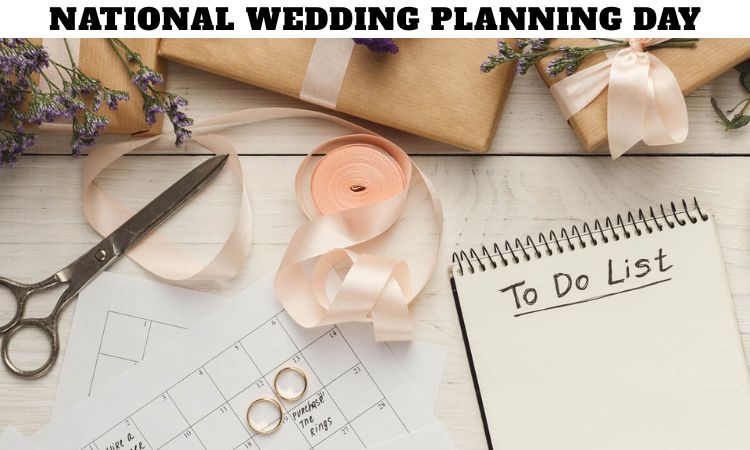
National Wedding Planning Day, celebrated annually on March 1, marks the unofficial start of peak wedding planning season. As spring approaches and engagement season winds down, couples begin turning their dreams into detailed plans. March 1 is perfectly positioned on the calendar—after Valentine’s Day proposals and before summer venue bookings fill up—making it an ideal time to organize, strategize, and secure essential vendors.
National Wedding Planning Day is more than a date; it is a dedicated opportunity for couples to begin structured planning with clarity and excitement. It encourages thoughtful decision-making, budgeting discipline, and creative inspiration to design a celebration that reflects love, personality, and shared vision.
Why Is Early Wedding Planning So Important?
Planning a wedding involves coordinating multiple moving parts. From venue availability to vendor contracts, early preparation ensures better choices and smoother execution.
Benefits of early planning include:
Greater venue availability
Access to preferred vendors
Flexible scheduling options
Controlled budgeting
Reduced last-minute stress
Couples who begin planning on National Wedding Planning Day position themselves ahead of peak demand. Popular venues and photographers often book a year or more in advance, making March 1 an optimal starting point.
How Should Couples Begin Planning on March 1?
The first step is establishing a clear foundation. Without structure, wedding planning can quickly become overwhelming.
1. Define Your Vision
Discuss the overall style and atmosphere you envision. Is it formal or casual? Traditional or modern? Indoor or outdoor? Clarifying preferences early prevents conflicting decisions later.
2. Set a Realistic Budget
Budget planning determines every subsequent choice. Identify financial contributions, allocate spending categories, and create contingency reserves for unexpected costs.
3. Create a Guest List Draft
Your guest count significantly impacts venue selection, catering expenses, and overall logistics. Draft a preliminary list to guide venue research.
National Wedding Planning Day is ideal for sitting down together and having these foundational conversations.
How Do You Choose the Perfect Wedding Venue?
The venue sets the tone for the entire celebration. Availability, capacity, accessibility, and ambiance are key factors.
When selecting a venue, consider:
Guest capacity
Location convenience
Weather contingency plans
On-site amenities
Catering options
Parking or transportation
Booking your venue early on March 1 ensures access to preferred dates, especially for spring and summer weddings.
What Vendors Should Be Booked First?
After securing a venue, prioritize high-demand vendors:
Photographer and videographer
Wedding planner or coordinator
Caterer
Entertainment (band or DJ)
Florist
These professionals often have limited availability. Early booking secures quality services and locks in current pricing before seasonal increases.
How Can Couples Stay Organized Throughout the Planning Process?
Organization is the backbone of successful wedding planning. Structured systems prevent stress and missed deadlines.
Effective tools include:
Digital planning apps
Shared spreadsheets
Physical planning binders
Timeline checklists
Vendor contract folders
Setting monthly milestones helps maintain progress. National Wedding Planning Day can serve as your official timeline kickoff.
What Are the Biggest Wedding Budget Mistakes to Avoid?
Financial planning requires discipline. Common mistakes include:
Underestimating guest count
Forgetting hidden fees
Ignoring gratuities and taxes
Skipping contingency funds
Overcommitting to decorative extras
Allocate funds based on priority. If photography is most important, assign a higher percentage to that category. Transparent budgeting reduces financial tension.
How Do You Choose a Wedding Theme or Style?
Wedding themes create visual cohesion. Popular styles include:
Classic elegance
Rustic charm
Modern minimalist
Vintage romance
Garden-inspired
Beach destination
Your venue often influences your theme. March 1 is the perfect time to curate inspiration boards, compare color palettes, and refine aesthetic choices.
When Should Wedding Attire Be Selected?
Wedding attire requires significant lead time. Bridal gowns typically take several months for production and alterations. Formalwear rentals also require reservations.
Recommended timeline:
9–12 months before wedding: Choose bridal gown
6–8 months before: Select bridesmaid dresses
4–6 months before: Finalize groom and groomsmen attire
Beginning research on National Wedding Planning Day ensures adequate time for fittings and customizations.
How Can Couples Personalize Their Wedding Day?
Personalization transforms a wedding from an event into an experience. Meaningful details make celebrations memorable.
Ideas include:
Customized vows
Signature cocktails
Personalized ceremony readings
Cultural traditions
Photo memory walls
Handwritten guest notes
National Wedding Planning Day is an opportunity to reflect on shared values and incorporate them authentically.
What Role Does a Wedding Planner Play?
Professional planners streamline logistics and reduce stress. They offer expertise in vendor negotiation, timeline management, and problem-solving.
Benefits of hiring a planner:
Budget oversight
Vendor coordination
Design consultation
Day-of execution management
Crisis handling
If full-service planning exceeds your budget, consider day-of coordination for smooth execution.
How Should Couples Approach Wedding Invitations?
Invitations set expectations and provide essential details. Begin designing invitations 6–8 months before the wedding.
Important components:
RSVP deadlines
Dress code
Venue address
Accommodation suggestions
Wedding website link
Early planning on March 1 allows time for design revisions, printing, and mailing schedules.
How Can You Minimize Wedding Planning Stress?
Wedding planning should be joyful, not overwhelming. Stress management is essential.
Strategies include:
Delegating responsibilities
Scheduling regular planning meetings
Setting realistic expectations
Taking intentional breaks
Practicing open communication
Avoid comparison with social media trends. Focus on creating a celebration that reflects your unique story.
What Are the Latest Wedding Trends for the Season?
Each year introduces evolving trends. Popular current trends include:
Intimate micro-weddings
Sustainable decor
Eco-friendly invitations
Weekday weddings
Live-streamed ceremonies
Interactive guest experiences
National Wedding Planning Day offers an ideal moment to explore trends while staying aligned with your personal style.
How Do You Create a Seamless Wedding Day Timeline?
A detailed timeline ensures smooth transitions throughout the day.
Typical timeline components:
Hair and makeup schedule
Photography sessions
Ceremony start time
Cocktail hour
Reception events
Cake cutting
First dance
Send-off
Share the finalized timeline with vendors to coordinate logistics effectively.
Why Is Communication Essential in Wedding Planning?
Clear communication between partners prevents misunderstandings. Establish decision-making processes and compromise respectfully.
Regular check-ins help align expectations and maintain shared excitement. Remember, wedding planning is a collaborative journey.
How Can Couples Make National Wedding Planning Day Meaningful?
Celebrate March 1 by:
Scheduling your first official planning session
Booking your venue
Creating a wedding vision board
Drafting your budget
Scheduling vendor consultations
Treat this day as a milestone that marks the beginning of a well-organized planning journey.
What Happens After March 1?
National Wedding Planning Day is the starting line—not the finish. Continue building momentum with structured monthly goals.
Three months after March 1, aim to have:
Venue secured
Major vendors booked
Guest list finalized
Dress ordered
Save-the-dates sent
Steady progress prevents last-minute panic and preserves the joy of engagement.
Conclusion: Turning Dreams Into Reality on National Wedding Planning Day
National Wedding Planning Day on March 1 empowers couples to transform excitement into action. It encourages structured organization, thoughtful budgeting, and intentional creativity.