

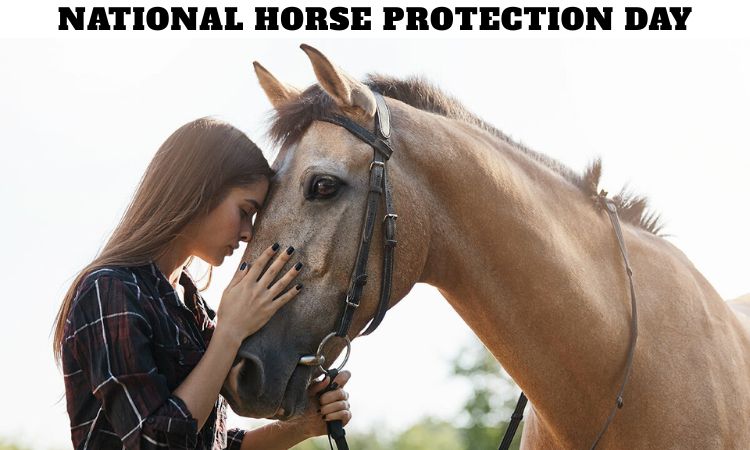
What Is National Horse Protection Day, and Why Is It Observed on March 1?
National Horse Protection Day, observed annually on March 1, is dedicated to raising awareness about the safety, welfare, and humane treatment of horses across the world. This important day encourages us to recognize the deep bond between humans and horses while reinforcing our responsibility to protect them from abuse, neglect, and exploitation.
March 1 marks a meaningful moment to begin the year with renewed commitment toward animal welfare. Horses have served humanity for centuries—as companions, workers, athletes, and symbols of freedom. National Horse Protection Day reminds us that their loyalty and service must be met with compassion, respect, and strong protective measures.
Why Are Horses So Important to Human History?
Horses have played a transformative role in shaping civilizations. From transportation and agriculture to warfare and sports, they have influenced the course of history in profound ways. Long before modern machinery, horses powered economies and connected communities.
Ancient societies relied heavily on horses for mobility and trade. In military history, cavalry units changed the dynamics of warfare. In agriculture, horses tilled fields and transported goods. Today, horses continue to thrive in competitive sports, therapy programs, recreation, and ranching industries.
Beyond their practical contributions, horses symbolize strength, grace, endurance, and freedom. Their presence in art, literature, and culture reflects their timeless significance.
What Does Horse Protection Really Mean?
Horse protection encompasses all measures taken to ensure the physical, emotional, and environmental well-being of horses. It includes:
Preventing abuse and neglect
Ensuring proper veterinary care
Providing safe shelter and nutrition
Promoting ethical training methods
Enforcing humane transportation practices
Regulating breeding standards
True protection goes beyond basic care. It involves advocacy, education, legislation, and community awareness to eliminate cruelty in all forms.
What Are the Common Threats to Horse Welfare?
Despite their noble reputation, horses face numerous welfare challenges worldwide. Understanding these risks is essential to addressing them effectively.
Neglect and Improper Care
Horses require consistent feeding, grooming, hoof care, and medical attention. Financial hardship or lack of knowledge sometimes leads to inadequate care, resulting in malnutrition, untreated injuries, or unsanitary living conditions.
Abusive Training Practices
Certain competitive sectors have historically used harmful training techniques to enhance performance. Physical punishment, overexertion, and unethical methods can cause long-term physical and psychological damage.
Overbreeding and Abandonment
Irresponsible breeding practices contribute to overpopulation. When horses are no longer profitable or manageable, they may be abandoned or sold under unsafe conditions.
Transportation Risks
Long-distance transportation without proper rest, hydration, or ventilation poses significant risks to horses’ health and safety.
National Horse Protection Day highlights these concerns and calls for stricter oversight and humane standards.
How Does Legislation Protect Horses?
Legal frameworks are essential in safeguarding horse welfare. One significant example is the Horse Protection Act of 1970 in the United States. This federal law was enacted to prevent “soring,” a cruel practice where chemicals or mechanical devices are used to cause pain in a horse’s legs to exaggerate its gait in competitions.
The Horse Protection Act of 1970 established penalties and inspection protocols to eliminate such abuse. While legislation varies globally, similar laws in other countries aim to prevent cruelty, regulate transport, and ensure humane treatment.
Strong enforcement and continuous reform remain crucial. Laws must evolve to address emerging welfare challenges and close loopholes that allow mistreatment to persist.
Why Is Responsible Ownership Critical?
Horse ownership is a serious commitment requiring time, financial stability, and expertise. Responsible owners understand that horses are long-term companions, often living 25–30 years or more.
Proper ownership includes:
Balanced nutrition tailored to age and workload
Routine veterinary check-ups
Vaccinations and parasite control
Regular hoof trimming and shoeing
Safe, spacious shelter
Daily exercise and social interaction
When owners prioritize education and proactive care, horses thrive physically and emotionally.
How Do Rescue Organizations Support Horse Protection?
Rescue and rehabilitation organizations play a vital role in protecting vulnerable horses. These organizations rescue animals from neglect, abuse, auctions, and abandonment. They provide medical treatment, behavioral rehabilitation, and adoption services.
By offering second chances, rescues reduce the number of horses facing unsafe conditions. They also educate communities about responsible ownership and ethical equine practices.
Supporting reputable rescues through donations, volunteering, or adoption strengthens the broader mission of National Horse Protection Day.
What Role Does Veterinary Care Play in Protection?
Veterinary professionals are at the forefront of horse welfare. Regular check-ups detect early signs of illness or injury. Preventative care reduces long-term health risks and improves quality of life.
Equine veterinarians monitor:
Dental health
Joint function
Skin conditions
Respiratory health
Nutritional balance
Prompt treatment prevents minor issues from escalating into severe complications. Access to professional veterinary services is essential for maintaining optimal equine welfare.
How Can We Promote Ethical Training and Competition?
Competitive equestrian sports demand skill, discipline, and partnership between horse and rider. However, ethical training must always prioritize the horse’s well-being.
Humane training practices focus on:
Positive reinforcement
Gradual conditioning
Rest and recovery periods
Avoiding excessive workloads
Using properly fitted equipment
Organizations governing equestrian sports continue to refine welfare standards to ensure horses compete safely and comfortably.
Education and transparency within competitive industries are critical for long-term reform.
Why Is Public Awareness Essential for Horse Protection?
Awareness drives change. Many instances of neglect stem from misinformation or lack of knowledge rather than deliberate cruelty. Educational campaigns inform communities about:
Signs of abuse
Proper feeding guidelines
Shelter requirements
Legal protections
National Horse Protection Day amplifies these messages, encouraging collective responsibility. When communities stay informed and vigilant, cases of mistreatment are more likely to be reported and addressed.
How Can Individuals Participate in National Horse Protection Day?
We can actively contribute to horse protection in meaningful ways:
Support equine welfare organizations
Donate to horse rescues
Volunteer at local stables or sanctuaries
Share educational content on social media
Advocate for stronger welfare laws
Adopt rather than purchase when possible
Even small efforts create lasting impact. Collective action strengthens protective systems and improves lives.
What Are the Emotional and Psychological Needs of Horses?
Horses are highly intelligent and social animals. They form strong bonds with herd members and human caretakers. Emotional well-being is as vital as physical health.
Horses require:
Social interaction with other horses
Mental stimulation
Freedom of movement
Safe environments free from fear
Isolation, harsh treatment, or unstable environments can lead to anxiety, behavioral issues, and depression. Compassionate care acknowledges their emotional complexity.
How Does Horse Protection Connect to Broader Animal Welfare?
Horse protection is part of a larger movement advocating for ethical treatment of all animals. Principles such as humane housing, responsible breeding, and veterinary oversight apply across species.
Advocating for horses strengthens overall animal welfare standards. Policies that protect horses often influence broader legislative improvements in livestock and companion animal protection.
Why Should We Teach Future Generations About Horse Welfare?
Education shapes long-term change. Teaching children and young equestrians about responsible care fosters empathy and accountability.
Youth programs, riding schools, and agricultural education initiatives can emphasize:
Ethical horsemanship
Proper grooming techniques
Safe riding practices
Respectful handling
Instilling these values early ensures future generations continue advancing horse welfare.
How Can Technology Improve Horse Protection?
Modern technology enhances monitoring and care practices. Innovations include:
Wearable health trackers
Advanced veterinary imaging
Improved transport safety systems
Digital identification databases
These tools help owners detect health changes quickly and maintain accurate records. Technology supports proactive protection strategies and enhances transparency.
What Is the Future of Horse Protection?
The future of horse protection depends on collaboration among lawmakers, veterinarians, trainers, owners, and advocates. Continued reform, research, and education will strengthen protective measures.
As public awareness grows, industries evolve toward more humane standards. Ethical consumer choices and responsible equestrian participation contribute to systemic improvement.
National Horse Protection Day serves as both a celebration and a call to action. It honors the enduring partnership between humans and horses while reminding us of our duty to safeguard their dignity.
Why Does National Horse Protection Day Matter More Than Ever?
In an era of rapid industrialization and commercial competition, animal welfare must remain a priority. Horses cannot advocate for themselves. Their safety depends on human responsibility.