

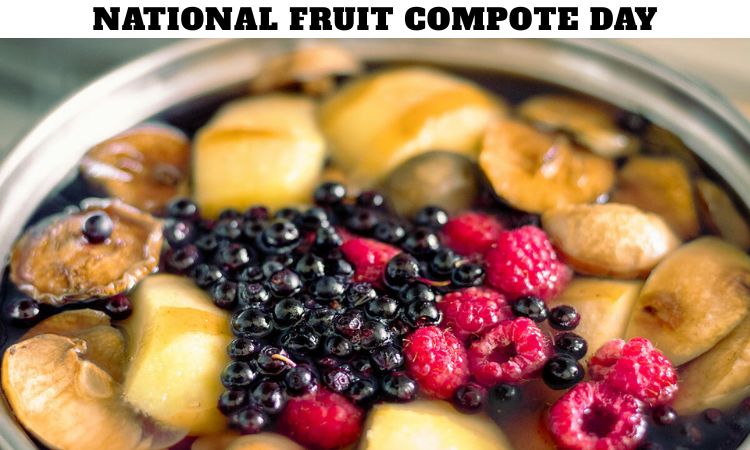
What Is National Fruit Compote Day, and Why Is It Celebrated on March 1?
National Fruit Compote Day, observed annually on March 1, is a delightful food holiday dedicated to honoring the timeless tradition of fruit compote. On this special day, we celebrate the vibrant flavors, culinary versatility, and historical significance of this beloved fruit dish. As we welcome the first day of March, we embrace a dessert that perfectly bridges winter comfort and spring freshness.
We recognize fruit compote as more than a simple stewed fruit mixture. It represents centuries of culinary evolution, preservation techniques, and global flavor combinations. National Fruit Compote Day encourages us to rediscover the richness of seasonal fruits, natural sweetness, and traditional cooking methods that continue to inspire modern kitchens.
What Exactly Is a Fruit Compote?
A fruit compote is a preparation of whole or chopped fruits gently simmered in a sugar syrup. Often enhanced with spices, citrus zest, vanilla, or even a splash of liqueur, compote strikes a perfect balance between sweetness and natural fruit flavor. Unlike jams or jellies, compote retains large pieces of fruit and has a looser consistency.
Traditionally served chilled or warm, fruit compote can accompany breakfast dishes, desserts, and even savory meals. Its texture ranges from lightly syrupy to thick and spoonable, depending on cooking time and fruit selection.
How Did Fruit Compote Originate?
The origins of fruit compote trace back to medieval Europe, particularly in France. The word “compote” comes from the French term meaning “mixture.” Historically, compotes were served at the end of meals as a digestive aid. It was believed that cooked fruit balanced the body’s humors and supported healthy digestion.
We find early references to fruit compote in aristocratic European households where sugar, once considered a luxury, was used to preserve fruit. Over time, compote transitioned from elite tables to everyday kitchens as sugar became more widely available.
Why Is Fruit Compote Still Popular Today?
Fruit compote remains popular because it is:
Simple to prepare
Naturally flavorful
Highly versatile
Adaptable to any season
Health-conscious compared to processed desserts
Modern culinary trends emphasize natural ingredients and minimal processing. Fruit compote aligns perfectly with these values. By gently cooking fruit, we enhance its sweetness without overpowering its natural character.
Which Fruits Are Best for Making Compote?
The beauty of fruit compote lies in its flexibility. Nearly any fruit can be transformed into a delicious compote. Some of the most popular options include:
Berries (strawberries, blueberries, raspberries, blackberries)
Stone fruits (peaches, plums, apricots, cherries)
Apples and pears
Figs
Mangoes
Pineapple
Seasonal fruits yield the most vibrant results. In early March, apples, pears, and frozen berries make excellent choices. As spring and summer approach, fresh berries and stone fruits become ideal for bright, colorful compotes.
How Do We Make the Perfect Fruit Compote?
Creating a perfect fruit compote requires balance and attention to detail. We begin with fresh, ripe fruit, ensuring optimal sweetness and flavor.
Basic Fruit Compote Recipe
Ingredients:
3 cups chopped fruit
2–4 tablespoons sugar (adjust to taste)
1–2 tablespoons lemon juice
¼ cup water
Optional spices (cinnamon, vanilla, star anise, cloves)
Method:
Combine fruit, sugar, lemon juice, and water in a saucepan.
Simmer over medium heat.
Stir occasionally to prevent sticking.
Cook for 10–20 minutes until fruit softens and syrup thickens.
Remove from heat and cool.
We avoid overcooking to preserve fruit texture. The goal is a glossy mixture where fruit pieces remain visible and intact.
What Are the Health Benefits of Fruit Compote?
Fruit compote offers multiple nutritional advantages, especially when prepared with minimal added sugar.
Rich in antioxidants
High in dietary fiber
Natural vitamins and minerals
Lower fat content
Digestive-friendly
Cooking fruit slightly breaks down fiber, making it easier to digest while retaining essential nutrients. When we control the sugar content, fruit compote becomes a wholesome alternative to artificial desserts.
How Can We Serve Fruit Compote Creatively?
Fruit compote enhances a wide range of dishes. Its versatility makes it ideal for breakfast, snacks, and desserts.
Breakfast Pairings
Spoon over pancakes
Layer into yogurt parfaits
Top oatmeal
Spread on toast
Swirl into smoothie bowls
Dessert Enhancements
Serve alongside cheesecake
Pour over vanilla ice cream
Fill crepes
Layer in trifles
Accompany the pound cake
Savory Applications
Fruit compote pairs beautifully with:
Roasted meats
Cheese boards
Grilled poultry
Pork tenderloin
A berry compote adds a bright contrast to savory dishes, while an apple or pear compote complements rich proteins.
Why Is March 1 the Perfect Date for This Celebration?
March 1 marks a transition between seasons. Winter fruits are still available, while spring produce begins to appear. This seasonal shift mirrors the adaptable nature of fruit compote.
As we move toward warmer months, fruit compote symbolizes renewal, freshness, and creativity in the kitchen. It invites us to experiment with flavors and rediscover traditional cooking methods.
How Can We Celebrate National Fruit Compote Day?
We can make the most of National Fruit Compote Day by:
Preparing a homemade batch using seasonal fruit
Hosting a brunch featuring various compotes
Sharing recipes with family and friends
Experimenting with exotic fruit combinations
Supporting local farmers by purchasing fresh produce
Celebrating this day does not require elaborate planning. A simple saucepan and fresh ingredients are enough to honor this delicious tradition.
What Are the Best Flavor Combinations for Fruit Compote?
Creative flavor pairings elevate fruit compote to gourmet levels. Some exceptional combinations include:
Strawberry and basil
Peach and vanilla bean
Apple and cinnamon
Blueberry and lemon zest
Pear and ginger
Cherry and almond extract
Spices add warmth and complexity. Herbs introduce freshness. Citrus brightens sweetness. By adjusting ingredients thoughtfully, we can craft signature compotes that stand out.
Can Fruit Compote Be Preserved for Later Use?
Yes, fruit compote can be stored safely. Refrigerated compote lasts up to one week in airtight containers. For longer preservation, proper canning techniques allow storage for several months.
Freezing is another practical option. We portion cooled compote into freezer-safe containers, ensuring convenient access year-round.
Is Fruit Compote Suitable for Special Diets?
Fruit compote adapts easily to various dietary preferences:
Vegan-friendly
Gluten-free
Dairy-free
Low-sugar options available
Refined sugar-free variations using honey or maple syrup
This adaptability makes fruit compote inclusive and accessible for diverse dietary needs.
What Makes Homemade Fruit Compote Superior to Store-Bought Versions?
Homemade fruit compote offers:
Complete control over sweetness
No artificial preservatives
Fresh, vibrant flavors
Customizable texture
High-quality ingredients
Store-bought versions often contain added stabilizers and excessive sugar. When we prepare compote ourselves, we ensure purity and authenticity.
How Does Fruit Compote Reflect Culinary Tradition and Modern Trends?
Fruit compote bridges heritage and innovation. Rooted in European culinary history, it remains relevant in contemporary kitchens focused on clean eating and sustainable cooking.
Modern chefs use fruit compote as a base for gourmet sauces, dessert toppings, and artisanal plating. Meanwhile, home cooks appreciate its simplicity and comforting familiarity.
Why Should We Embrace National Fruit Compote Day Every Year?
National Fruit Compote Day reminds us that simple ingredients can create extraordinary results. It celebrates natural sweetness, seasonal abundance, and mindful cooking.