

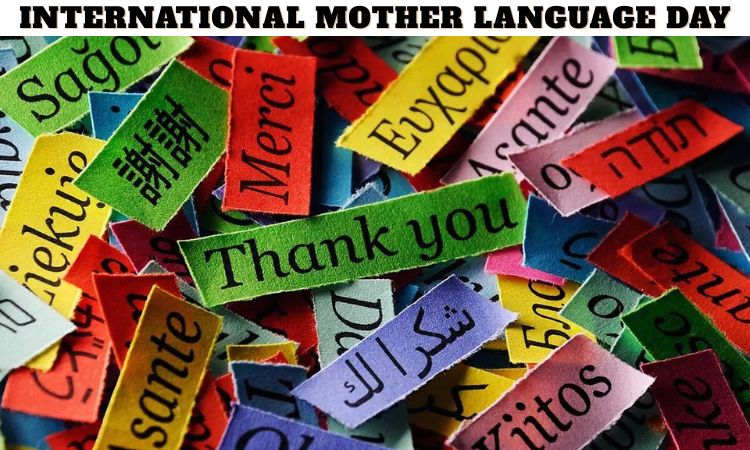
What Is International Mother Language Day – February 21?
International Mother Language Day is observed every year on February 21 to promote linguistic and cultural diversity around the world. Proclaimed by the UNESCO in 1999 and first celebrated globally in 2000, this international observance highlights the importance of preserving mother languages and encouraging multilingual education.
Languages are more than just tools of communication—they are carriers of history, tradition, identity, and collective memory. International Mother Language Day reminds us that every language, whether spoken by millions or just a small community, plays a vital role in enriching humanity’s cultural heritage.
Why Is International Mother Language Day Celebrated on February 21?
February 21 was chosen to honor the language movement in Bangladesh. On this day in 1952, students from the University of Dhaka protested against the decision of the then Pakistani government to declare Urdu as the sole state language, even though the majority of the population spoke Bengali.
During the protest, several students lost their lives while demanding recognition of Bengali as an official language. Their sacrifice became a symbol of linguistic rights and cultural dignity. Later, after Bangladesh gained independence in 1971, the day became known as Language Martyrs’ Day in the country.
Recognizing the global relevance of this struggle, UNESCO declared February 21 as International Mother Language Day to commemorate those who fought for the right to speak their mother tongue.
What Is the Role of UNESCO in Promoting Mother Languages?
UNESCO plays a leading role in promoting linguistic diversity and multilingual education worldwide. The organization believes that languages are essential for achieving sustainable development, quality education, and social inclusion.
UNESCO supports initiatives to:
Preserve endangered languages
Encourage education in mother tongues
Promote multilingual policies
Document and digitize indigenous languages
Through conferences, campaigns, and partnerships, UNESCO raises awareness about the importance of linguistic diversity and cultural understanding.
What Does “Mother Language” Mean?
A mother language, also known as a native language or first language, is the language a person learns from birth. It is typically the language spoken at home and within one’s community. For many people, their mother tongue shapes their early thoughts, emotions, and worldview.
Research shows that children learn best when educated in their mother language, especially during their early years. Learning in one’s native language enhances understanding, boosts confidence, and strengthens cognitive development.
Mother languages also connect individuals to their heritage, traditions, and ancestral knowledge. Losing a language can mean losing stories, folklore, rituals, and centuries of accumulated wisdom.
How Many Languages Are Spoken Around the World?
According to global estimates, more than 7,000 languages are spoken worldwide. However, many of these languages are at risk of disappearing. It is believed that nearly 40% of the world’s languages are endangered.
When a language disappears, it takes with it unique cultural perspectives and knowledge systems. This is why International Mother Language Day emphasizes the urgent need to preserve endangered languages.
The loss of linguistic diversity often occurs due to globalization, urbanization, migration, and dominance of widely spoken languages such as English, Spanish, Mandarin, and French.
Why Is Linguistic Diversity Important?
Linguistic diversity contributes to cultural richness and global understanding. Each language represents a unique way of interpreting the world. It reflects the history, environment, and traditions of its speakers.
Here are some reasons linguistic diversity matters:
1. Cultural Identity
Language forms the core of cultural identity. It connects individuals to their roots and ancestors.
2. Knowledge Preservation
Indigenous languages often contain valuable ecological, medicinal, and agricultural knowledge passed down through generations.
3. Social Inclusion
Recognizing multiple languages ensures that minority communities are not excluded from education, governance, and public life.
4. Peace and Understanding
Multilingual societies promote respect, dialogue, and cooperation among different communities.
International Mother Language Day highlights these benefits and encourages governments and institutions to protect linguistic diversity.
How Does Mother Language Education Benefit Children?
Education in a child’s mother tongue significantly improves learning outcomes. Studies show that children who begin education in their native language develop stronger literacy skills and perform better academically.
Learning in a familiar language helps children grasp complex concepts more easily. It reduces dropout rates and improves participation. Moreover, it strengthens self-esteem and cultural pride.
Multilingual education does not mean ignoring global languages. Instead, it encourages learning additional languages while preserving the mother tongue. This balanced approach supports both local identity and global engagement.
What Challenges Do Mother Languages Face Today?
Despite global awareness, many languages are disappearing rapidly. Several factors contribute to this decline:
Urban migration leading to language shifts
Dominance of global languages in media and education
Lack of written documentation
Limited government support
Social stigma associated with minority languages
In some cases, younger generations stop speaking their ancestral language to adapt to modern economic opportunities. Over time, this leads to language extinction.
International Mother Language Day brings attention to these challenges and urges action at local, national, and international levels.
How Is International Mother Language Day Celebrated Around the World?
International Mother Language Day is celebrated in schools, universities, cultural institutions, and communities worldwide. Activities often include:
Language workshops and storytelling sessions
Poetry readings and literary events
Cultural performances
Exhibitions on endangered languages
Seminars and panel discussions
In Bangladesh, the day is marked with special tributes at the Shaheed Minar monument, honoring the language martyrs. People lay flowers and participate in cultural programs that celebrate the Bengali language.
Globally, organizations use the day to launch campaigns promoting multilingual education and linguistic rights.
How Does International Mother Language Day Support Sustainable Development?
Language plays a crucial role in achieving sustainable development goals. Effective communication in local languages ensures better access to healthcare, legal rights, education, and economic opportunities.
When development programs are delivered in a community’s native language, they are more effective and inclusive. Linguistic inclusion helps reduce inequalities and empower marginalized communities.
By promoting multilingualism, International Mother Language Day contributes to building inclusive societies and stronger democracies.
What Is the Connection Between Language and Identity?
Language is deeply tied to identity. It influences how people express emotions, traditions, beliefs, and social norms. Losing a mother language can create a sense of cultural disconnection.
For many indigenous communities, language preservation is linked to self-determination and cultural survival. Reviving and maintaining ancestral languages strengthens community bonds and restores pride.
International Mother Language Day reinforces the idea that every language deserves respect and recognition, regardless of the number of its speakers.
Can Technology Help Preserve Mother Languages?
Technology offers new opportunities for preserving endangered languages. Digital tools, online dictionaries, mobile apps, and social media platforms allow communities to document and share their languages.
Artificial intelligence and language learning applications can assist in creating educational resources. Recording oral histories and traditional stories ensures that future generations can access their linguistic heritage.
However, digital inclusion must be equitable. Communities need access to technology and support to ensure their languages are represented online.
How Can Individuals Support Mother Language Preservation?
Everyone can contribute to preserving linguistic diversity. Here are some simple steps:
Speak and teach your mother language at home
Encourage children to learn and value their native tongue
Support local literature and cultural programs
Advocate for multilingual education policies
Participate in International Mother Language Day events
Respecting other languages and cultures also fosters global harmony and understanding.
Why Does International Mother Language Day Matter Today?
In an increasingly globalized world, dominant languages often overshadow smaller ones. While global communication is essential, it should not come at the cost of linguistic diversity.
International Mother Language Day serves as a reminder that diversity is humanity’s strength. Every language, no matter how small, represents a unique piece of human heritage.
The observance encourages governments, educators, and communities to protect and promote languages for future generations.
What Is the Future of Mother Languages?
The future of mother languages depends on collective efforts. Governments must implement policies supporting multilingual education. Communities must actively pass languages to younger generations. Technology must be used as a preservation tool.
If action is taken, endangered languages can be revitalized. Several communities worldwide have successfully revived languages once considered nearly extinct.
International Mother Language Day inspires hope by demonstrating that language preservation is possible when there is awareness and commitment.
Conclusion: Why Should We Celebrate International Mother Language Day?
International Mother Language Day on February 21 is more than a symbolic observance—it is a global call to protect linguistic and cultural diversity. Initiated by UNESCO, the day honors those who fought for linguistic rights and reminds us of the power of language in shaping identity and society.