

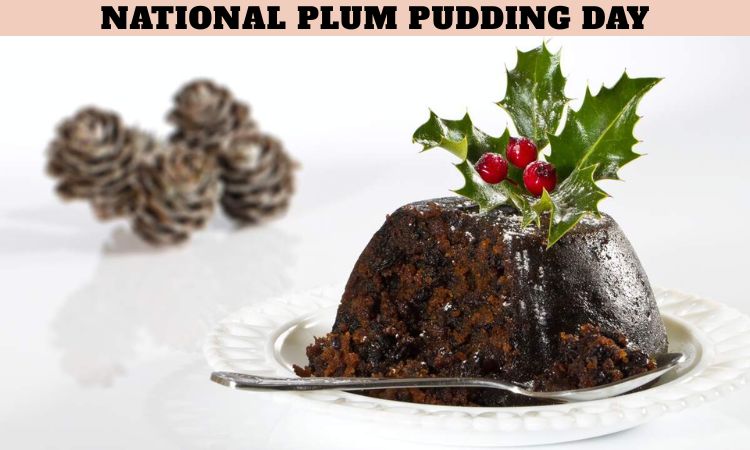
Every year on February 12, food lovers and culinary historians celebrate National Plum Pudding Day, a delicious tribute to one of the most iconic desserts in British history. Though commonly associated with Christmas festivities, plum pudding deserves recognition beyond the holiday season. This rich, dense, and flavorful dessert represents centuries of tradition, cultural evolution, and culinary craftsmanship.
National Plum Pudding Day is more than an opportunity to enjoy a sweet treat—it is a celebration of heritage, symbolism, and the art of slow-prepared desserts. On this day, we reflect on the historical roots of plum pudding, its transformation over time, and the enduring appeal that keeps it relevant in modern kitchens.
The Origins of Plum Pudding
Plum pudding, often referred to as Christmas pudding, dates back to medieval England. Surprisingly, traditional plum pudding recipes do not contain fresh plums. Instead, the term “plum” historically referred to raisins and dried fruits, which were once commonly called plums in English culinary language.
The earliest versions of plum pudding evolved from a savory dish known as “plum porridge” or “frumenty,” which combined meat, grains, dried fruits, and spices. Over time, this mixture gradually transformed into a sweeter, more dessert-oriented preparation.
By the 16th century, plum pudding had taken on a more recognizable form—dense, fruit-filled, and heavily spiced. The addition of sugar, molasses, and spirits elevated its richness, turning it into a celebratory dish reserved for special occasions.
Why February 12 Is National Plum Pudding Day?
Although plum pudding is most closely associated with Christmas, February 12 offers a unique opportunity to celebrate this historic dessert independently of the holiday rush. National Plum Pudding Day allows us to appreciate the pudding’s craftsmanship, flavor complexity, and cultural significance without the distractions of seasonal festivities.
This dedicated day encourages culinary exploration, historical appreciation, and the revival of traditional baking methods. It also provides a reason to savor a warm, comforting dessert during the winter months.
What Makes Plum Pudding Unique?
Plum pudding stands apart from modern cakes and pastries due to its preparation method and ingredient profile. Traditional recipes typically include:
Dried fruits such as raisins, currants, and sultanas
Suet or butter for richness
Breadcrumbs or flour for structure
Molasses or brown sugar for sweetness
Eggs to bind the mixture
Spices such as cinnamon, nutmeg, and cloves
Brandy or rum for flavor depth
The pudding mixture is steamed rather than baked, often for several hours. This slow cooking process creates a moist, dense texture and allows flavors to meld beautifully.
Unlike many desserts that are prepared quickly, plum pudding demands patience. Its slow preparation reflects a culinary philosophy rooted in tradition and attention to detail.
The Symbolism of Plum Pudding
Plum pudding carries rich symbolic meaning, particularly in British culture. Historically, each ingredient represented prosperity and abundance. The custom of stirring the pudding mixture clockwise—symbolizing the journey of the Wise Men—was a cherished ritual in many households.
In Victorian England, plum pudding became a symbol of unity and celebration. Families gathered to prepare the dessert together, often adding small tokens such as coins or charms to the mixture. Discovering one of these items in a serving was believed to bring good fortune.
National Plum Pudding Day celebrates these enduring traditions, reminding us that food connects generations and preserves cultural heritage.
Plum Pudding in Literature and Popular Culture
Plum pudding has appeared frequently in literature, reinforcing its iconic status. One of the most famous depictions is found in Charles Dickens’ “A Christmas Carol.” In the story, Mrs. Cratchit proudly presents her carefully prepared pudding as the centerpiece of the family’s festive meal.
Dickens’ vivid description elevated plum pudding to a symbol of warmth, generosity, and shared joy. Over time, the dessert became deeply embedded in British identity and holiday imagery.
National Plum Pudding Day honors not only the dish itself but also its lasting cultural influence.
Traditional Preparation Methods
Authentic plum pudding preparation involves a meticulous process:
Mixing the Ingredients
Dried fruits are soaked in brandy or rum, allowing them to absorb flavor. Dry ingredients are blended separately before combining everything into a thick batter.
Steaming the Pudding
The mixture is placed in a pudding basin, covered securely, and steamed for several hours. This method ensures even cooking and preserves moisture.
Aging for Flavor
Many traditional recipes recommend aging the pudding for weeks or even months. During this time, flavors deepen and intensify.
Flambé Presentation
Before serving, plum pudding is often doused with warmed brandy and set aflame, creating a dramatic blue flame presentation.
On National Plum Pudding Day, home bakers can embrace these time-honored techniques to experience authentic preparation.
Modern Variations of Plum Pudding
While traditional recipes remain popular, contemporary adaptations have emerged to accommodate dietary preferences and modern tastes. Some variations include:
Vegetarian and vegan versions using plant-based fats
Gluten-free adaptations with alternative flours
Reduced-sugar recipes for balanced sweetness
Miniature individual puddings for personal servings
Despite these innovations, the essence of plum pudding—rich dried fruit, warming spices, and dense texture—remains intact.
National Plum Pudding Day encourages creativity while respecting tradition.
Serving Suggestions and Pairings
Plum pudding is typically served warm, accompanied by complementary sauces and toppings. Popular pairings include:
Brandy butter
Custard sauce
Whipped cream
Vanilla ice cream
The combination of warm pudding and cool or creamy toppings enhances the dessert’s complexity. The balance between spice, sweetness, and richness creates a memorable culinary experience.
February 12 provides the perfect excuse to indulge in these comforting flavors.
The Nutritional Perspective
Though plum pudding is undeniably indulgent, its ingredients offer certain nutritional benefits. Dried fruits provide fiber and antioxidants, while spices such as cinnamon and nutmeg contain beneficial compounds.
Portion control and mindful enjoyment allow us to appreciate the dessert responsibly. National Plum Pudding Day is about savoring tradition rather than overindulgence.
Global Influence of Plum Pudding
While rooted in British cuisine, plum pudding has influenced desserts worldwide. Similar steamed puddings appear in Australian, Canadian, and South African culinary traditions, reflecting historical ties to British settlers.
In the United States, fruitcakes share similarities with plum pudding, though preparation methods differ. The global adaptation of fruit-based desserts highlights the widespread appeal of rich, spiced confections.
National Plum Pudding Day recognizes this international culinary footprint.
Hosting a National Plum Pudding Day Celebration
Celebrating February 12 can be both educational and enjoyable. Consider the following ideas:
Organize a Baking Event
Invite friends or family to prepare plum pudding together, reviving traditional methods and storytelling.
Explore Historical Recipes
Research vintage cookbooks to recreate authentic versions from past centuries.
Share Cultural Insights
Discuss the symbolism and literary references associated with plum pudding.
Host a Tasting Experience
Prepare multiple variations to compare flavors and textures.
Such celebrations transform National Plum Pudding Day into a meaningful culinary tradition.
Why Plum Pudding Endures?
Despite evolving food trends, plum pudding remains relevant because it represents more than taste. It embodies patience, craftsmanship, and shared experience. In a fast-paced world dominated by convenience foods, this dessert stands as a reminder of deliberate preparation and mindful enjoyment.
The act of steaming a pudding for hours reflects dedication. The blending of spices and fruits reflects harmony. The shared serving reflects connection.
National Plum Pudding Day reminds us that tradition holds value, even in modern times.
Conclusion: A Sweet Tribute on February 12
National Plum Pudding Day – February 12 invites us to celebrate a dessert steeped in history, symbolism, and flavor. From medieval origins to modern adaptations, plum pudding continues to captivate taste buds and preserve cultural heritage.