

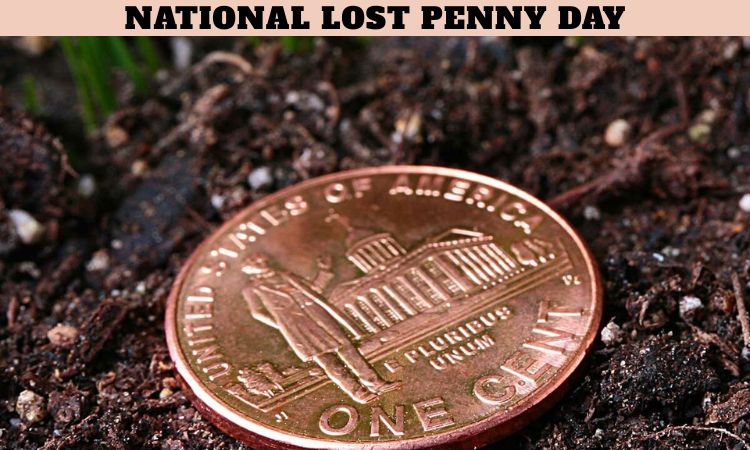
Every year on February 12, we observe National Lost Penny Day, a lighthearted yet meaningful holiday that encourages us to reflect on the value of small things in life. While a single penny may seem insignificant in today’s economy, this day reminds us that even the smallest unit of currency carries symbolic weight, historical importance, and emotional meaning.
National Lost Penny Day is not merely about loose change slipping between couch cushions or disappearing into forgotten corners. It represents the idea that what we lose can teach us appreciation, awareness, and gratitude. On this day, we pause to recognize that small losses often carry larger lessons.
The Origin of National Lost Penny Day
The precise origin of National Lost Penny Day remains somewhat mysterious, but the concept resonates deeply in American culture. The penny itself has been a foundational element of U.S. currency since 1793. Featuring Abraham Lincoln since 1909, the penny has served as both a practical coin and a symbolic piece of national history.
The observance of February 12 aligns with Abraham Lincoln’s birthday, making National Lost Penny Day especially significant. Lincoln’s image on the penny connects this small coin to a figure known for perseverance, integrity, and leadership. The timing encourages reflection not only on monetary value but also on the enduring impact of historical legacy.
The Symbolism Behind a Lost Penny
A penny may be worth one cent in financial terms, but its symbolic meaning extends far beyond its monetary value. Across cultures, finding or losing a penny is often associated with luck, fortune, and perspective.
The phrase “Find a penny, pick it up, and all day long you’ll have good luck” has been passed down for generations. Losing a penny, conversely, serves as a gentle reminder that even minor setbacks can occur without disrupting the bigger picture.
On National Lost Penny Day, we embrace several symbolic themes:
Appreciation for small blessings
Resilience after minor setbacks
Reflection on personal priorities
Recognition of overlooked value
The loss of something small can heighten our awareness of what truly matters.
The Historical Significance of the Penny
The penny has played a vital role in American commerce and culture. Introduced in the late 18th century, the coin evolved in design and composition over time. Early versions were made primarily of copper, while modern pennies consist largely of zinc with a copper coating.
In 1909, the penny became the first U.S. coin to feature a real historical figure—President Abraham Lincoln—commemorating his 100th birthday. This decision marked a turning point in coin design and reinforced the penny’s cultural importance.
On National Lost Penny Day, we recognize that this small coin represents over two centuries of economic history. Its continued presence in circulation reflects tradition, continuity, and national identity.
Why National Lost Penny Day Matters Today?
In an era dominated by digital transactions, credit cards, and contactless payments, the penny may appear outdated. However, its relevance persists in several ways:
1. Financial Awareness
Even small amounts add up over time. The idea that pennies accumulate into dollars reinforces the importance of budgeting and mindful spending.
2. Emotional Value
A penny found on the ground can evoke nostalgia, childhood memories, or a sense of unexpected fortune.
3. Cultural Legacy
The penny connects generations through shared sayings, traditions, and symbolic beliefs.
4. Perspective on Loss
Losing a penny reminds us that minor losses are manageable and temporary.
National Lost Penny Day encourages us to reconsider what we might otherwise overlook.
Life Lessons from a Lost Penny
The simplicity of a penny offers surprisingly profound lessons. On February 12, we reflect on the following insights:
Small Things Matter
In relationships, careers, and personal growth, small efforts often create significant outcomes. Just as pennies accumulate into savings, small acts of kindness accumulate into meaningful impact.
Loss Is Not Always Significant
Misplacing a penny rarely causes distress. This perspective can guide us in handling larger challenges with calm and clarity.
Value Is Relative
What seems insignificant to one person may hold great meaning to another. The penny teaches us that value is not always measured by size or cost.
Gratitude for What Remains
When we lose something small, we often appreciate what remains more deeply.
These lessons make National Lost Penny Day more than a novelty—it becomes a day of reflection.
Creative Ways to Celebrate National Lost Penny Day
Observing National Lost Penny Day can be both fun and meaningful. Consider these thoughtful ways to participate:
Search for Hidden Change
Turn the day into a playful activity by searching for loose coins around your home or workplace. You may be surprised by how much you discover.
Start a Penny Jar
Begin a tradition of collecting spare pennies throughout the year. Over time, the jar becomes a visible reminder that small contributions grow steadily.
Donate Spare Change
Gather loose coins and donate them to a charitable cause. Even modest contributions collectively support meaningful initiatives.
Teach Financial Literacy
Use the day as an opportunity to teach children about saving, budgeting, and the importance of every cent.
Reflect on Gratitude
Take a few moments to consider small blessings often taken for granted.
By engaging intentionally, we transform February 12 into a day of awareness and appreciation.
The Debate Around the Penny’s Future
In recent years, discussions about discontinuing the penny have gained attention. Critics argue that production costs exceed its face value and that the coin’s practical use has diminished.
Supporters, however, emphasize tradition, historical symbolism, and rounding implications in pricing systems. The debate reflects broader conversations about efficiency, modernization, and cultural heritage.
National Lost Penny Day provides a balanced moment to consider both perspectives while acknowledging the penny’s longstanding role in society.
The Psychological Power of Small Wins
Behavioral psychology suggests that small achievements boost motivation and confidence. Similarly, the discovery of a penny can create a subtle sense of accomplishment or good fortune.
This phenomenon highlights the importance of recognizing small victories in daily life. On National Lost Penny Day, we celebrate incremental progress—those seemingly minor successes that propel larger achievements.
Small wins build momentum. Small savings build stability. Small gestures build trust.
Penny Traditions and Superstitions
Throughout history, pennies have been associated with luck and protection. Common traditions include:
Placing a penny in a shoe for good fortune
Leaving a penny on a gravestone as a sign of remembrance
Flipping a penny to make decisions
These customs reinforce the emotional and symbolic significance of the coin. February 12 offers an opportunity to revisit these traditions and share them with younger generations.
Economic Perspective: The Power of Compounding
The penny also represents a powerful financial principle: compounding growth. When small amounts are consistently saved or invested, they can expand significantly over time.
This concept applies not only to money but also to habits and skills. Daily improvements—no matter how minor—create measurable long-term impact.
National Lost Penny Day subtly reminds us that consistency matters more than magnitude.
Environmental and Recycling Awareness
Many pennies sit forgotten in drawers, jars, and piggy banks. Recycling unused coins back into circulation reduces the need for additional minting and resource consumption.
On February 12, consider redistributing idle change into active use. Small environmental considerations contribute to broader sustainability efforts.
National Lost Penny Day and Abraham Lincoln
Because the penny prominently features Abraham Lincoln, National Lost Penny Day also provides a moment to reflect on his enduring legacy. Lincoln embodied perseverance, integrity, and leadership—qualities that remain relevant today.
The alignment of February 12 with Lincoln’s birthday deepens the day’s significance. The penny serves as a daily reminder of historical resilience and moral courage.
Finding Meaning in the Smallest Coin
In a world often focused on large achievements and grand gestures, National Lost Penny Day invites us to slow down and notice the details. The smallest coin in circulation becomes a symbol of mindfulness and gratitude.
By acknowledging the penny’s value—both literal and symbolic—we cultivate appreciation for incremental progress and overlooked blessings.
February 12 becomes a celebration of perspective. It teaches us that nothing is truly insignificant.
Conclusion: Celebrating Perspective on February 12
National Lost Penny Day encourages us to rediscover value in what might otherwise be dismissed as trivial. Through history, symbolism, financial lessons, and personal reflection, the humble penny proves its lasting relevance.