

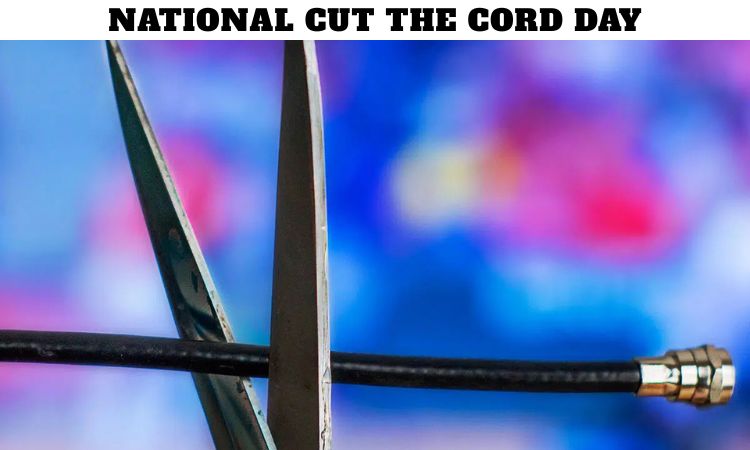
What Is National Cut the Cord Day?
National Cut the Cord Day, observed every year on February 9, is a meaningful reminder to let go of things that no longer serve us—whether they are physical clutter, emotional baggage, unhealthy habits, outdated commitments, or unnecessary digital distractions. On this day, we consciously choose to simplify our lives, refocus our priorities, and reconnect with what truly matters.
The phrase “cut the cord” symbolizes release and renewal. It encourages us to step away from dependency, excess, and emotional weight, allowing space for growth, clarity, and personal freedom. In a fast-paced world driven by constant connectivity and consumption, National Cut the Cord Day offers a powerful pause for reflection and intentional change.
Why Is National Cut the Cord Day Celebrated on February 9?
February represents transition—a bridge between the beginning of the year and the momentum that follows. Celebrating National Cut the Cord Day aligns perfectly with the idea of reassessment. By this time, we have had a chance to evaluate our New Year goals, recognize what is working, and identify what is holding us back.
We use this day to:
Release habits that drain energy
Reconsider obligations that no longer align with our values
Detach from emotional or mental burdens
Reset our personal and professional boundaries
It serves as a symbolic checkpoint, helping us move forward with intention rather than inertia.
What Does “Cutting the Cord” Truly Mean in Modern Life?
In today’s context, cutting the cord goes far beyond physical detachment. It represents a deeper act of self-awareness and empowerment. We define it as the process of recognizing attachments that limit growth and intentionally choosing to release them.
These cords may include:
Toxic relationships
Negative self-talk
Overreliance on digital devices
Financial commitments that cause stress
Emotional ties to past failures
National Cut the Cord Day invites us to confront these attachments with honesty and courage.
How Does National Cut the Cord Day Support Mental and Emotional Well-Being?
One of the most significant benefits of National Cut the Cord Day is its positive impact on mental and emotional health. When we carry unresolved emotions or unnecessary stressors, they quietly influence our thoughts, decisions, and overall well-being.
By cutting emotional cords, we:
Reduce anxiety and mental clutter
Improve emotional resilience
Gain clarity and perspective
Strengthen self-confidence
Create healthier relationships
Letting go is not about avoidance; it is about making room for peace and emotional balance.
Why Is Letting Go So Difficult for Many People?
Despite its benefits, letting go can feel intimidating. We often hold onto situations or relationships out of fear, habit, or emotional attachment. Familiar discomfort may feel safer than uncertain change.
Common reasons include:
Fear of loneliness or rejection
Emotional dependency
Guilt or obligation
Resistance to change
Nostalgia for the past
National Cut the Cord Day reminds us that growth often requires discomfort, and freedom begins with conscious release.
How Can We Cut the Cord in Our Personal Lives?
Personal cords often form quietly, shaping routines and emotional responses over time. On February 9, we focus on identifying areas where change can bring relief and renewal.
Practical ways to cut personal cords include:
Setting boundaries with draining individuals
Releasing guilt tied to past decisions
Decluttering living spaces
Ending habits that compromise well-being
Prioritizing self-care without apology
We learn that letting go is not selfish—it is essential for personal growth.
What Does Cutting the Cord Mean in Relationships?
Relationships play a powerful role in our emotional landscape. While healthy connections uplift and inspire, unhealthy ones can drain energy and self-worth.
On National Cut the Cord Day, we evaluate:
Relationships based on obligation rather than respect
Patterns of emotional manipulation
One-sided connections
Lack of mutual growth
Cutting the cord does not always mean ending a relationship. Sometimes, it means redefining boundaries and expectations to restore balance and respect.
How Can We Cut the Cord From Digital Overload?
In the digital age, constant connectivity has created invisible cords that tie us to screens, notifications, and social pressure. Digital dependency affects focus, sleep, and emotional well-being.
National Cut the Cord Day encourages digital mindfulness by:
Limiting social media usage
Turning off unnecessary notifications
Practicing screen-free hours
Reconnecting with offline activities
Creating intentional digital boundaries
By reducing digital noise, we regain presence, creativity, and mental clarity.
What Role Does Decluttering Play on National Cut the Cord Day?
Physical clutter often mirrors mental clutter. Unused items, crowded spaces, and disorganized environments can increase stress and reduce productivity.
Decluttering allows us to:
Simplify daily routines
Create calm, functional spaces
Reduce decision fatigue
Let go of emotional attachments to objects
On February 9, we embrace decluttering as a symbolic and practical way to cut cords to the past and welcome clarity.
How Does National Cut the Cord Day Encourage Financial Awareness?
Financial stress is one of the most common yet overlooked emotional cords. Unnecessary subscriptions, impulsive spending, and unresolved debt can quietly drain mental peace.
We use National Cut the Cord Day to:
Cancel unused services
Reevaluate financial commitments
Create realistic budgets
Break unhealthy spending habits
Prioritize financial independence
Small financial adjustments can lead to long-term emotional freedom and security.
What Are the Long-Term Benefits of Observing National Cut the Cord Day?
The impact of National Cut the Cord Day extends far beyond a single day. When practiced intentionally, letting go becomes a habit rather than an event.
Long-term benefits include:
Improved emotional intelligence
Greater self-awareness
Increased confidence in decision-making
Healthier relationships
A stronger sense of purpose
We learn that life becomes lighter when we release what weighs us down.
How Can We Make National Cut the Cord Day a Meaningful Annual Practice?
To truly honor National Cut the Cord Day, we approach it with reflection and intention rather than impulse. Simple practices can transform this day into a powerful personal ritual.
Meaningful ways to observe the day include:
Journaling about what needs release
Practicing forgiveness
Meditating on emotional clarity
Setting boundaries for the coming year
Creating goals aligned with personal values
When observed consistently, this day becomes a cornerstone of intentional living.
Why National Cut the Cord Day Matters in Today’s World
In a society driven by excess, comparison, and constant pressure, National Cut the Cord Day – February 9 serves as a grounding reminder that freedom often begins with subtraction. By choosing simplicity over overload and intention over obligation, we reclaim control over our time, energy, and emotional well-being.