

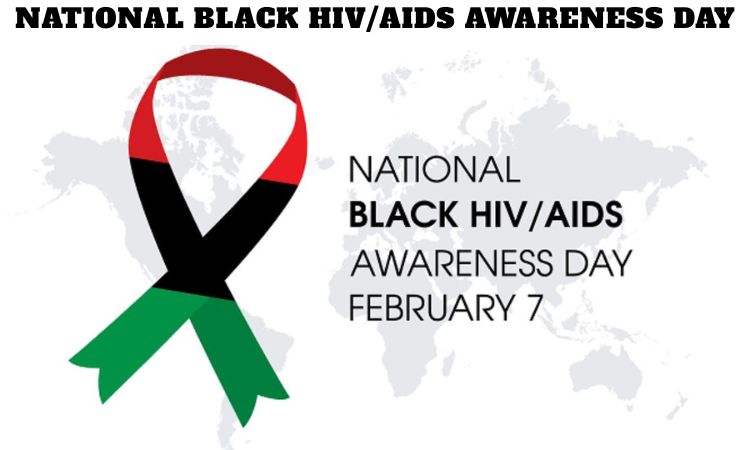
What Is National Black HIV/AIDS Awareness Day and Why Is It Observed on February 7?
National Black HIV/AIDS Awareness Day, observed every year on February 7, is a vital public health observance dedicated to raising awareness about the disproportionate impact of HIV/AIDS on Black communities. We recognize this day as an opportunity to educate, advocate, and mobilize action toward prevention, testing, treatment, and stigma reduction. This observance highlights both progress made and the persistent challenges that demand collective attention and sustained commitment.
We use this day to amplify accurate information, promote early diagnosis, and encourage equitable access to healthcare resources. By centering conversations on awareness and empowerment, we strengthen community resilience and advance health equity.
Why Does HIV/AIDS Disproportionately Affect Black Communities?
HIV/AIDS continues to impact Black communities at significantly higher rates due to systemic inequities, limited access to healthcare, and social determinants of health. Factors such as poverty, discrimination, lack of culturally competent care, and reduced access to preventive services contribute to higher vulnerability and delayed diagnosis.
We acknowledge that structural barriers—not individual behaviors alone—drive these disparities. Addressing HIV/AIDS effectively requires dismantling these barriers and ensuring that prevention, testing, and treatment services are accessible, affordable, and culturally responsive.
What Is the Historical Significance of National Black HIV/AIDS Awareness Day?
National Black HIV/AIDS Awareness Day was established to bring focused attention to HIV’s impact on Black Americans and to inspire action at local, state, and national levels. Historically, HIV-related stigma and misinformation hindered early intervention efforts, particularly in marginalized communities.
We observe this day to honor advocacy efforts, commemorate lives lost, and reinforce evidence-based strategies that have proven effective in reducing transmission rates. The observance underscores the importance of sustained education and policy-driven solutions rooted in community engagement.
How Does HIV Testing Play a Crucial Role in Awareness and Prevention?
HIV testing is the cornerstone of effective prevention and treatment strategies. Early diagnosis enables individuals to begin antiretroviral therapy (ART), which improves health outcomes and significantly reduces the risk of transmission.
We emphasize routine and accessible testing as a public health priority. Community-based testing initiatives, mobile clinics, and confidential testing services help remove barriers and normalize HIV status awareness. Knowing one’s status empowers informed decisions and promotes healthier communities.
What Are the Most Effective HIV Prevention Strategies Highlighted on This Day?
Prevention strategies promoted on National Black HIV/AIDS Awareness Day include education, condom use, Pre-Exposure Prophylaxis (PrEP), and harm reduction approaches. PrEP has emerged as a highly effective biomedical tool that dramatically lowers the risk of acquiring HIV when taken consistently.
We support comprehensive sexual health education that is inclusive, accurate, and culturally relevant. Prevention efforts are most successful when paired with community trust, open dialogue, and accessible healthcare services.
How Does Stigma Impact HIV/AIDS Awareness and Treatment?
Stigma remains one of the most significant obstacles to HIV prevention and care. Fear of discrimination often discourages individuals from seeking testing, disclosing status, or adhering to treatment.
We confront stigma by promoting accurate information, empathetic communication, and community-led advocacy. Reducing stigma enhances mental health outcomes, strengthens support networks, and fosters environments where individuals can seek care without fear or judgment.
What Role Do Healthcare Providers and Organizations Play on February 7?
Healthcare providers, nonprofits, and advocacy organizations play a critical role by offering free testing, educational workshops, and outreach programs on National Black HIV/AIDS Awareness Day. These efforts bridge gaps in care and connect individuals to essential resources.
We value partnerships that prioritize culturally competent care and community engagement. By aligning healthcare delivery with lived experiences, organizations build trust and improve long-term health outcomes.
How Does Treatment Improve Quality of Life for People Living with HIV?
Advances in HIV treatment have transformed the condition into a manageable chronic illness. Consistent access to ART allows individuals to achieve viral suppression, meaning the virus becomes undetectable and untransmittable.
We emphasize treatment adherence and continuous care as key components of health and well-being. Comprehensive support services—including mental health care and social support—further enhance quality of life and reduce health disparities.
What Can Communities Do to Support National Black HIV/AIDS Awareness Day?
Communities can support this observance by participating in awareness campaigns, hosting educational events, and encouraging open conversations about HIV prevention and care. Grassroots initiatives and faith-based organizations often serve as trusted platforms for outreach.
We encourage community leaders to advocate for policies that expand healthcare access, fund prevention programs, and protect the rights of people living with HIV. Collective action accelerates progress and strengthens public health infrastructure.
How Does Education Empower Future Generations Against HIV/AIDS?
Education equips individuals with the knowledge needed to make informed health decisions. Age-appropriate, culturally inclusive education reduces misinformation and fosters responsible behaviors.
We prioritize education as a long-term investment in public health. By empowering youth and adults alike, we create informed communities capable of reducing transmission rates and supporting those affected by HIV/AIDS.
Why Is Ongoing Advocacy Essential Beyond February 7?
While National Black HIV/AIDS Awareness Day provides a focal point, sustained advocacy is essential year-round. Continuous funding, policy reform, and community engagement ensure that progress does not stall.
We remain committed to advancing equity, supporting research, and amplifying voices within affected communities. Persistent advocacy transforms awareness into measurable impact.
How Does National Black HIV/AIDS Awareness Day Inspire Hope and Action?
This observance inspires hope by highlighting resilience, scientific progress, and community strength. It serves as a reminder that collective efforts can reduce disparities and improve lives.