

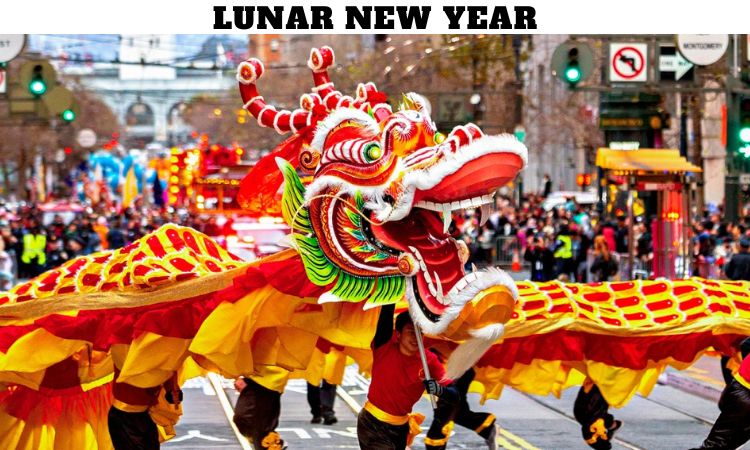
Lunar New Year is one of the most significant and widely celebrated festivals in the world, observed by millions of people across Asia and in global communities. Falling on February 6 in many years based on the lunar calendar, the Lunar New Year marks the beginning of a new year according to the cycles of the moon. Unlike the Gregorian calendar, the lunar calendar follows the phases of the moon, which is why the date changes every year.
The festival is also known as Chinese New Year, Spring Festival, Seollal in Korea, Tết in Vietnam, and is celebrated in different forms across countries like China, South Korea, Vietnam, Malaysia, Singapore, and beyond. At its heart, Lunar New Year is about renewal, hope, family reunions, and welcoming good fortune for the year ahead.
Why Does Lunar New Year Follow the Lunar Calendar?
The Lunar New Year is based on the lunisolar calendar, which combines the cycles of the moon with the solar year. The celebration usually begins on the new moon between January 21 and February 20, which is why February 6 is a common date for Lunar New Year celebrations.
Ancient agricultural societies relied heavily on lunar cycles to plan farming activities. Over time, this system became deeply rooted in cultural, spiritual, and social traditions. The new moon symbolized a fresh start—making it the perfect time to begin a new year filled with prosperity and harmony.
What Is the Historical Origin of the Lunar New Year?
The origins of the Lunar New Year date back more than 3,000 years to ancient China. According to legend, a mythical beast named Nian would terrorize villages at the end of each year. People discovered that Nian was afraid of loud noises, fire, and the color red. To protect themselves, villagers used fireworks, drums, and red decorations—customs that remain central to Lunar New Year celebrations today.
Over centuries, the Lunar New Year evolved from a seasonal agricultural festival into a grand cultural event that blends folklore, ancestor worship, and community bonding.
How Is Lunar New Year Celebrated Across Different Cultures?
Although the core theme of Lunar New Year remains the same, each culture celebrates it in unique ways:
China: Celebrations last up to 15 days, ending with the Lantern Festival. Dragon dances, red envelopes (hongbao), and fireworks are common.
Vietnam (Tết): Homes are cleaned thoroughly, ancestors are honored, and special foods like bánh chưng are prepared.
Korea (Seollal): Families perform ancestral rites, wear traditional hanbok, and play folk games.
Other Regions: Countries like Singapore, Malaysia, and Indonesia blend local customs with traditional Lunar New Year practices.
Despite cultural differences, family reunions, festive meals, and symbolic rituals unite all Lunar New Year celebrations.
Why Is Family So Important During Lunar New Year?
Lunar New Year is often described as the world’s largest annual human migration, as millions of people travel home to be with their families. Family unity is at the heart of the celebration, symbolizing respect for elders, gratitude for ancestors, and hope for future generations.
Families gather for a New Year’s Eve reunion dinner, considered the most important meal of the year. This gathering reinforces bonds, resolves conflicts, and sets intentions for harmony in the year ahead.
What Do Red Decorations Symbolize During the Lunar New Year?
Red is the most dominant color during Lunar New Year celebrations. It symbolizes good luck, happiness, prosperity, and protection from evil spirits. Homes, streets, and temples are adorned with red lanterns, banners, and paper cuttings.
Red envelopes containing money are given to children and unmarried adults as a gesture of blessing and good fortune. The amount of money is less important than the symbolic wish for success and happiness.
What Foods Are Traditionally Eaten During Lunar New Year?
Food plays a powerful symbolic role during the Lunar New Year. Each dish represents a wish for the coming year:
Dumplings: Wealth and prosperity, shaped like ancient coins
Fish: Abundance and surplus
Noodles: Longevity and good health
Sticky Rice Cakes: Family unity and progress
Spring Rolls: Wealth and success
Sharing these meals strengthens family connections and reinforces positive intentions for the new year.
How Do Zodiac Signs Influence Lunar New Year Traditions?
Each Lunar New Year is associated with one of the 12 Chinese zodiac animals, including the Rat, Ox, Tiger, Rabbit, Dragon, Snake, Horse, Goat, Monkey, Rooster, Dog, and Pig. The zodiac sign is believed to influence personality traits, fortune, and compatibility for the year.
People often consult zodiac forecasts to plan major life events such as marriage, career moves, or investments. Decorations and gifts may also feature the animal of the year to attract luck and success.
What Is the Spiritual Meaning of the Lunar New Year?
Beyond celebrations and festivities, the Lunar New Year carries deep spiritual significance. It is a time for self-reflection, gratitude, and renewal. Many people visit temples to pray for health, prosperity, and peace.
Cleaning the house before Lunar New Year is symbolic of sweeping away bad luck, while avoiding cleaning on New Year’s Day ensures that good fortune is not washed away. These rituals reflect the belief that thoughts and actions at the beginning of the year shape the months ahead.
Why Are Fireworks and Dragon Dances So Popular?
Fireworks and dragon dances are believed to drive away evil spirits and attract good luck. The loud sounds of firecrackers ward off negativity, while dragon and lion dances symbolize power, wisdom, and protection.
These vibrant performances are not only entertaining but also deeply symbolic, reinforcing cultural identity and shared traditions within communities.
How Is Lunar New Year Celebrated in Modern Times?
In today’s globalized world, the Lunar New Year has expanded beyond traditional boundaries. Major cities around the world host parades, cultural shows, and public festivals. Social media, digital red envelopes, and virtual celebrations have modernized how people connect during the festival.
Despite technological changes, the essence of Lunar New Year—family, gratitude, and hope—remains unchanged.
Why Is Lunar New Year Relevant in Today’s Fast-Paced World?
Lunar New Year offers a rare pause in our busy lives, encouraging people to slow down, reconnect with loved ones, and reflect on personal growth. It reminds us that new beginnings are always possible, regardless of past challenges.
In a world driven by deadlines and constant change, the Lunar New Year emphasizes balance, tradition, and the importance of human connections.
How Can People Around the World Celebrate Lunar New Year?
Even if you’re not from a culture that traditionally celebrates Lunar New Year, you can still participate by:
Learning about its history and traditions
Trying traditional Lunar New Year foods
Attending local cultural events or festivals
Sharing wishes of prosperity and happiness
Celebrating the Lunar New Year is a meaningful way to appreciate cultural diversity and shared human values.
What Makes the Lunar New Year on February 6 So Special?
Lunar New Year on February 6 represents a fresh start guided by ancient wisdom and cultural richness. It blends tradition with modern life, spirituality with celebration, and personal reflection with communal joy.
As the moon begins a new cycle, the Lunar New Year encourages everyone to let go of the past, embrace positivity, and step into the future with hope, courage, and optimism.
Conclusion: Why Does Lunar New Year Continue to Inspire Generations?
Lunar New Year is more than just a date on the calendar—it is a celebration of life, resilience, and renewal. Observed on February 6 in many years, it unites people across cultures through shared values of family, gratitude, and hope.