

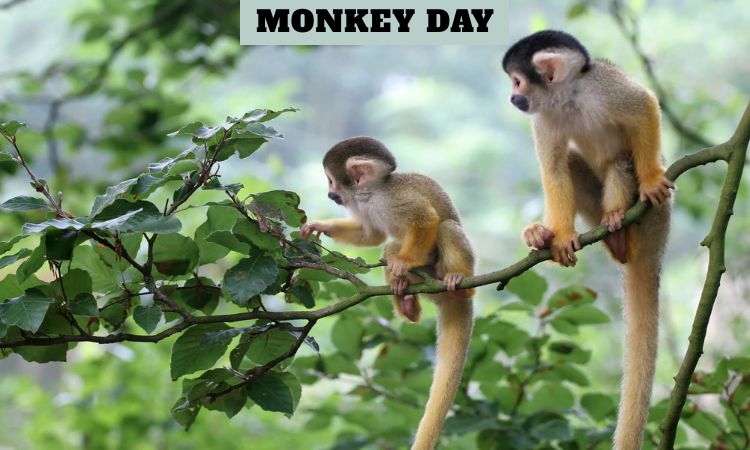
Monkey Day, observed annually on December 14, is a spirited global celebration dedicated to monkeys, primates, and the remarkable cultural and ecological significance they hold. As one of the most engaging national day today observances, Monkey Day inspires people worldwide to learn more about primates, support conservation efforts, and embrace the fun, humorous, and intelligent traits these fascinating animals represent.
What Is Monkey Day? A Global Celebration of Primates
Monkey Day is a unique day that encourages people to appreciate monkeys, apes, and all primates while promoting awareness about endangered species and environmental challenges. What makes Monkey Day stand out is its blend of scientific relevance, social activism, and playful celebration.
From schools and zoos to research institutions and online social communities, Monkey Day is recognized globally as a fun yet meaningful observance promoting primate conservation and education.
Origins of Monkey Day – How It Began
Monkey Day began in 2000 when two college students, Casey Sorrow and Eric Millikin, humorously marked December 14 on a friend’s calendar as “Monkey Day.” What started as a joke soon gained momentum, spreading across the internet and evolving into a recognized international celebration.
The day’s grassroots origin is a perfect representation of its spirit—playful, creative, and full of imagination—yet it has grown into a powerful movement with real-world impact. Today, conservationists, educators, activists, and animal lovers worldwide participate in Monkey Day activities.
Why Monkey Day Matters: Awareness and Conservation?
Raising Global Awareness for Primate Protection
Monkeys and primates face severe threats, including:
Deforestation and habitat loss
Illegal pet trade
Poaching and hunting
Climate change
Declining biodiversity
Over 60% of primate species are now endangered or vulnerable. Monkey Day brings international attention to this crisis and encourages people to support conservation programs that safeguard primate populations.
Supporting Wildlife Organizations
Many organizations use Monkey Day to raise funds, increase awareness, and promote sustainable practices. Common participants include:
Sanctuaries
Wildlife reserves
Zoos
NGOs focused on primate research
Environmental groups
Monkey Day gives these groups a platform to highlight ongoing challenges and rally global support for their projects.
Fun Ways People Celebrate Monkey Day Worldwide
Monkey Day is celebrated with creativity and enthusiasm across schools, communities, online platforms, and cultural events. Popular activities include:
1. Monkey-Themed Art and Costume Events
People participate by dressing up in primate-inspired costumes, creating monkey-themed artwork, or hosting cosplay competitions. These fun activities keep the spirit of Monkey Day alive.
2. Primate Education Programs
Educational institutions focus on primate biology, behavior, and conservation. Students engage in:
Classroom presentations
Science fairs
Wildlife documentaries
Hands-on learning activities
3. Wildlife Fundraisers and Charity Events
Many participants organize fundraising events to support primate rescue centers and conservation projects.
4. Social Media Celebrations
Monkey Day is highly popular online, with hashtags like #MonkeyDay, #NationalDayToday, and #PrimateAwareness trending every year. People share photos, fun facts, memes, and educational content.
5. Zoo Exhibits and Guided Tours
Zoos often host special Monkey Day events, including:
Interactive sessions with zookeepers
Feeding demonstrations
Conservation talks
Family-friendly activities
The Cultural Impact of Monkey Day
Monkeys have been iconic symbols throughout history. From Eastern mythology to Hollywood films, they represent intelligence, humor, mischief, and freedom. Monkey Day encourages people to explore this cultural richness.
Monkeys in Mythology
In Hinduism, Hanuman symbolizes strength, loyalty, and devotion.
In Chinese tradition, the Monkey King (Sun Wukong) is admired for his cleverness and bravery.
Monkeys in Art and Literature
Artists across centuries have been inspired by monkeys. Monkey Day is a reminder of their influence on creativity and the arts.
Monkeys in Modern Media
Monkeys frequently appear in movies, cartoons, digital art, and comics, making them timeless icons across generations.
Scientific Significance: Learning from Primates
Monkeys and primates play a vital role in scientific research, offering valuable insights into:
Human evolution
Cognitive development
Animal behavior
Social dynamics in nature
Their genetic closeness to humans allows researchers to study essential evolutionary patterns. Monkey Day helps highlight the importance of ethical research and responsible scientific practices.
Monkey Day and Environmental Responsibility
Celebrating Monkey Day also means recognizing our responsibility to protect natural ecosystems. As forests shrink and habitats disappear, primates face increased risks. Monkey Day promotes environmental consciousness by encouraging:
Sustainable tourism
Forest conservation programs
Wildlife-friendly lifestyles
Reducing the use of products linked to deforestation
Monkey Species to Learn About on Monkey Day
Monkey Day offers the perfect opportunity to learn about different primate groups. Some popular species include:
Capuchin monkeys
Howler monkeys
Macaques
Spider monkeys
Tamarins and marmosets
Langurs
Guenons
Squirrel monkeys
Exploring their habitats, behaviors, and unique traits fosters appreciation and encourages conservation.
Why Monkey Day Appeals to All Age Groups?
Monkey Day resonates with everyone—children, adults, animal lovers, conservationists, educators, and cultural enthusiasts. Its mix of entertainment, education, and activism makes it a versatile global observance.
Children love the fun activities and costumes.
Adults appreciate its conservation message.
Researchers utilize the day to promote scientific findings.
Artists find creative inspiration.
Social media users enjoy its humor and vibrancy.
How can you celebrate Monkey Day Meaningfully?
Here are impactful ways to participate:
Support wildlife conservation organizations.
Visit a local zoo or sanctuary.
Share educational posts about primates.
Raise awareness about endangered species.
Adopt a primate symbolically from a conservation group.
Host or join monkey-themed events.
Reduce your carbon footprint to protect natural habitats.
Monkey Day and the Growing Movement for Wildlife Conservation
As environmental challenges intensify, global participation in Monkey Day continues to rise. The day has become more than a celebration—it is a powerful movement advocating for sustainable living, ethical treatment of animals, and long-term environmental protection.
By observing Monkey Day each year, people contribute to a larger mission of preserving biodiversity and securing a sustainable future for all primate species.
Conclusion: Monkey Day Is More Than a Celebration
Monkey Day on December 14 is a joyful yet purposeful observance that blends fun, creativity, science, and global awareness. As we highlight the importance of primates and the ecosystems they inhabit, we strengthen our commitment to protecting these remarkable animals.