

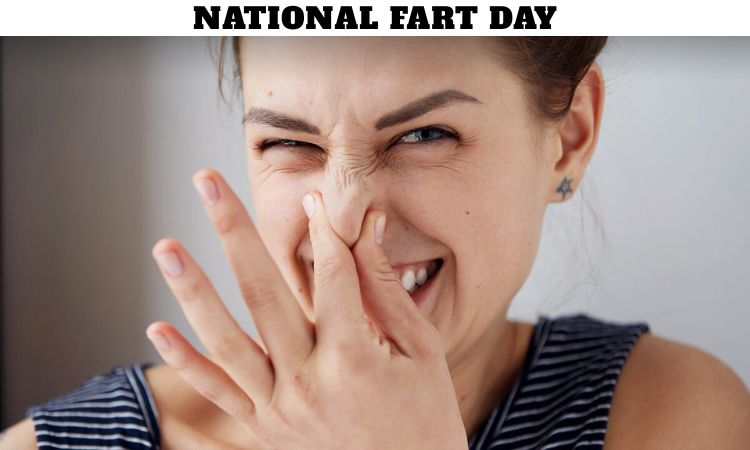
Every year on February 5, people across the world observe National Fart Day, a light-hearted and humorous day dedicated to something every human experiences but rarely talks about openly—farting. While the topic may trigger laughter, embarrassment, or jokes, farting (also known scientifically as flatulence) is a completely natural bodily function and an important sign of digestive health.
National Fart Day encourages people to laugh, learn, and normalize conversations around digestion, gut health, and the science behind why we pass gas. In a world full of serious observances, this quirky holiday reminds us that it’s okay to embrace humor, break taboos, and appreciate the simple realities of being human.
What Is National Fart Day?
National Fart Day, celebrated annually on February 5, is an unofficial holiday created to acknowledge flatulence in a fun, non-judgmental way. Though it’s not recognized by governments or medical institutions, the day has gained popularity online, especially on social media, blogs, and humor websites.
The purpose of National Fart Day is not just comedy—it also aims to:
Normalize a natural bodily function
Reduce embarrassment and stigma
Educate people about digestive health
Bring laughter and joy into everyday life
After all, farting is something everyone does, regardless of age, gender, or culture.
The History of National Fart Day
The exact origin of National Fart Day is unclear, but it is believed to have emerged in the early 2000s through internet humor communities. As with many quirky “national days,” it likely started as a joke and slowly gained recognition as people shared funny posts, memes, and facts online.
Over time, February 5 became widely accepted as the date to celebrate flatulence humorously. Today, blogs, content creators, and social media users mark the day with jokes, trivia, cartoons, and educational posts about the science of gas.
Why Do Humans Fart?
Farting is a normal biological process caused by the buildup of gas in the digestive system. This gas comes from two main sources:
1. Swallowed Air
When you eat, drink, chew gum, or talk while eating, you swallow small amounts of air. This air travels through the digestive tract and eventually exits the body.
2. Gut Bacteria
Your intestines are home to trillions of bacteria that help break down food. When these bacteria digest certain foods—especially carbohydrates—they produce gas as a byproduct.
What Is a Fart Made Of?
Most people are surprised to learn that fart gas is mostly odorless. A typical fart contains:
Nitrogen
Oxygen
Carbon dioxide
Hydrogen
Methane
The bad smell comes from tiny amounts of sulfur-containing gases like hydrogen sulfide. Even though these gases make up less than 1% of fart composition, they are powerful enough to create an unforgettable odor.
How Often Do People Fart?
On average:
A healthy person farts 10 to 20 times a day
This happens mostly without noticing, especially during sleep
If you fart more or less than this, it’s usually normal unless accompanied by pain or discomfort.
National Fart Day is a great reminder that farting frequently is not a problem—it’s a sign your digestive system is working.
Foods That Cause More Farts
Certain foods are known to increase gas production. Common culprits include:
Beans and lentils
Cabbage, cauliflower, and broccoli
Onions and garlic
Dairy products (especially for lactose-intolerant people)
Carbonated drinks
Whole grains
These foods are often very healthy, so farting after eating them is nothing to be ashamed of.
Funny and Surprising Fart Facts
National Fart Day wouldn’t be complete without some amusing facts:
The average fart travels at about 7 miles per hour
Humans have been joking about farts for thousands of years—even ancient Greek philosophers wrote about them
Dogs are often startled by their own farts
Some animals, like cows, produce methane that impacts the environment
A fart can be silent, loud, smelly, or sneaky—it all depends on pressure and muscle control
Cultural Views on Farting
Different cultures view farting in different ways:
In many Western cultures, farting in public is considered rude or embarrassing
In some traditional communities, farting is seen as a sign of comfort or good digestion
Historically, fart jokes have appeared in literature, plays, and folklore across the world
National Fart Day challenges social taboos and encourages people to see farting as a natural, universal experience rather than something shameful.
The Health Side of Farting
Believe it or not, farting is actually good for your health. Holding in gas can cause:
Bloating
Stomach pain
Discomfort
Passing gas helps relieve pressure in the digestive tract. In some cases, changes in fart frequency or smell can even help doctors identify digestive issues.
However, excessive gas with pain, weight loss, or diarrhea may indicate a medical condition and should be checked by a healthcare professional.
How to Celebrate National Fart Day?
There’s no strict rulebook, but here are some fun and harmless ways to celebrate National Fart Day on February 5:
1. Share a Funny Meme or Joke
Post a light-hearted fart joke or meme on social media to spread laughter.
2. Learn About Digestive Health
Use the day as an opportunity to understand how your gut works and how diet affects digestion.
3. Watch Comedy
Many comedians have famous routines about farting—it’s a classic comedy topic for a reason.
4. Talk Openly (But Politely)
Normalize conversations about digestion and gut health with friends or family.
5. Laugh at Yourself
Everyone farts. Laughing about it can reduce stress and embarrassment.
National Fart Day and Social Media
In recent years, National Fart Day has become popular on platforms like:
Twitter (X)
Instagram
Facebook
Reddit
Hashtags such as #NationalFartDay, #February5, and #FartFacts trend every year, with users sharing jokes, cartoons, and educational posts.
For content creators and bloggers, it’s also a great opportunity to create fun, viral content that blends humor with health awareness.
Educational Value Behind the Humor
While National Fart Day is playful, it also serves an educational purpose:
Encourages awareness of gut health
Reduces stigma around bodily functions
Promotes open conversations about digestion
Helps people understand food intolerances
By mixing humor with science, the day makes learning more approachable and memorable.
Why National Fart Day Matters?
In a world that often pressures people to appear “perfect,” National Fart Day reminds us that:
Everyone has a body
Bodies make noises
Imperfections are normal
It’s a celebration of honesty, humor, and humanity. Laughing at something as simple as farting can bring people together and reduce unnecessary embarrassment.
Conclusion
National Fart Day – February 5 may sound silly at first, but it carries an important message beneath the laughter. Farting is a natural, healthy, and universal bodily function that deserves understanding rather than shame. This fun observance encourages people to laugh, learn, and embrace the realities of the human body.