

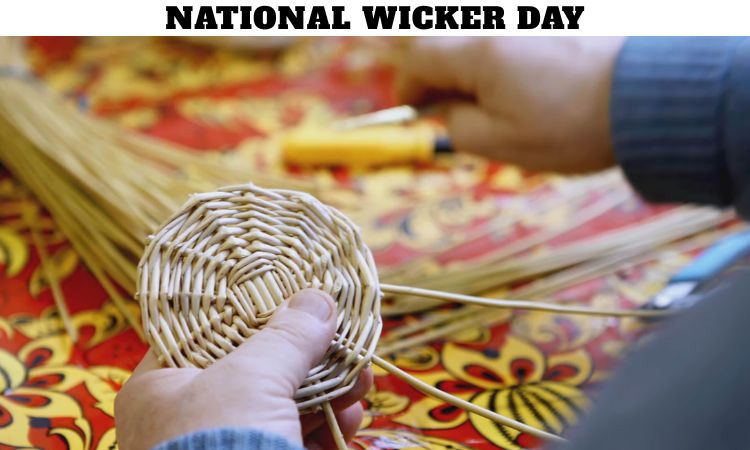
National Wicker Day, celebrated every year on February 4, is a tribute to one of the oldest and most versatile crafts in human history—wicker weaving. On this day, we collectively recognize the artistic, functional, and cultural significance of wicker products that have seamlessly blended tradition with modern living. From elegant wicker furniture to decorative baskets and eco-friendly home accents, wicker continues to hold a special place in homes, gardens, and commercial spaces worldwide.
We observe National Wicker Day to honor craftsmanship, sustainability, and the enduring appeal of woven materials that transcend trends and generations.
The Historical Significance of Wicker
The history of wicker weaving dates back thousands of years. Archaeological evidence shows that ancient civilizations in Egypt, Mesopotamia, and China used wicker techniques to create baskets, storage containers, and furniture. These early societies relied on natural plant materials such as reed, rattan, willow, bamboo, and cane, weaving them into strong yet lightweight structures.
Over time, wicker evolved from a necessity into an art form. During the Victorian era, wicker furniture became a symbol of refinement and leisure, especially in conservatories and outdoor spaces. Today, wicker stands as a timeless craft, admired for both its beauty and practicality.
Understanding What Wicker Truly Is
Contrary to common belief, wicker is not a material, but a weaving technique. This method involves interlacing pliable natural or synthetic fibers to create durable and visually appealing products. The flexibility of wicker allows artisans to craft intricate designs while maintaining structural strength.
Modern wicker includes:
Natural wicker made from rattan, willow, or reed
Synthetic wicker crafted from resin or polyethylene for weather resistance
Both types preserve the iconic woven aesthetic while catering to different functional needs.
Why National Wicker Day Matters?
National Wicker Day is more than a celebration—it is a reminder of sustainable living, skilled craftsmanship, and mindful consumption. Wicker products are biodegradable, renewable, and environmentally responsible when sourced ethically. As sustainability becomes a global priority, wicker aligns perfectly with eco-conscious lifestyles.
We celebrate this day to:
Support traditional artisans and craftsmanship
Promote sustainable and natural materials
Appreciate the durability and elegance of woven designs
Wicker in Modern Home Décor
In contemporary interiors, wicker décor has found renewed relevance. Designers incorporate wicker to add warmth, texture, and organic charm to living spaces. Its adaptability allows it to blend effortlessly with styles ranging from bohemian and coastal to minimalist and rustic.
Popular wicker home décor items include:
Wicker chairs and sofas
Storage baskets and hampers
Pendant lights and lampshades
Coffee tables and accent pieces
Wicker enhances interiors by creating a balanced harmony between nature and design.
Outdoor Living and Wicker Furniture
One of the most celebrated uses of wicker is in outdoor furniture. Wicker’s lightweight nature and visual appeal make it ideal for patios, balconies, gardens, and poolside areas. Modern synthetic wicker is especially valued for its weather resistance, UV protection, and durability.
Outdoor wicker furniture offers:
Long-lasting performance
Easy maintenance
Elegant aesthetics
Comfortable seating solutions
On National Wicker Day, we acknowledge wicker’s role in transforming outdoor spaces into inviting retreats.
The Sustainability Advantage of Wicker
Sustainability is at the core of wicker craftsmanship. Natural wicker materials grow quickly and require minimal processing, reducing environmental impact. Compared to plastic or metal alternatives, wicker has a significantly lower carbon footprint.
Key sustainability benefits include:
Renewable raw materials
Biodegradable components
Reduced energy consumption during production
Support for rural and artisan economies
By choosing wicker, we contribute to a more sustainable and responsible future.
Wicker in Cultural and Artistic Expression
Across cultures, wicker weaving carries deep symbolic meaning. In many regions, woven baskets represent abundance, community, and tradition. Artisans pass down weaving techniques through generations, preserving cultural heritage and identity.
Wicker is also embraced in modern art installations and fashion accessories, showcasing its versatility beyond furniture and décor. This blend of tradition and innovation keeps wicker culturally relevant in the modern world.
How We Can Celebrate National Wicker Day?
Celebrating National Wicker Day can be both meaningful and enjoyable. We can honor the day by incorporating wicker into our daily lives and supporting sustainable craftsmanship.
Ways to celebrate include:
Decorating homes with wicker accents
Purchasing handcrafted wicker products
Learning about traditional weaving techniques
Supporting local artisans and eco-friendly brands
Sharing awareness about wicker’s environmental benefits
Each small action helps preserve this timeless craft.
Caring for Wicker Products
Proper care ensures the longevity of wicker items. Natural wicker should be kept away from excessive moisture, while synthetic wicker benefits from regular cleaning.
Care tips include:
Dusting regularly with a soft brush
Avoiding prolonged exposure to water
Using mild soap for cleaning
Storing outdoor wicker during extreme weather
Maintaining wicker properly allows its beauty and functionality to last for years.
The Future of Wicker Craftsmanship
The future of wicker lies in innovation paired with tradition. Designers are experimenting with modern forms, mixed materials, and sustainable production techniques. Synthetic wicker continues to evolve, offering enhanced durability without compromising aesthetic appeal.
As consumers increasingly value eco-conscious design, wicker is positioned to remain a cornerstone of sustainable living. National Wicker Day reinforces the importance of preserving this craft while embracing modern advancements.
Conclusion: Honoring the Legacy of Wicker
National Wicker Day is a celebration of heritage, sustainability, and timeless design. Wicker’s journey from ancient civilizations to contemporary homes highlights its enduring relevance and universal appeal. By recognizing this day, we honor the artisans, traditions, and natural resources that make wicker an integral part of our lives.