

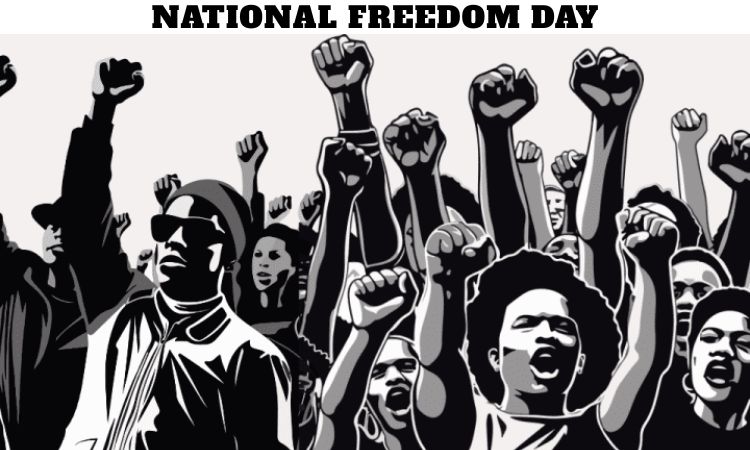
National Freedom Day, observed every year on February 1, stands as a powerful reminder of the enduring values of freedom, equality, and human dignity. This significant day commemorates the signing of the 13th Amendment to the United States Constitution in 1865, which formally abolished slavery and laid the foundation for civil rights in America. As a nation, we recognize National Freedom Day not merely as a historical milestone but as a living symbol of the ongoing pursuit of justice and liberty for all.
Through this observance, we reflect on the sacrifices made to secure freedom and reaffirm our collective responsibility to protect these rights for future generations. National Freedom Day is both a celebration of progress and a call to action to uphold the principles of democracy and equality.
Historical Significance of National Freedom Day
The origins of National Freedom Day trace back to Major Richard Robert Wright Sr., a former slave and influential civil rights leader. In 1948, he successfully petitioned Congress to recognize February 1 as a day honoring freedom for all Americans. His vision was to create a national observance that acknowledged the legal end of slavery and emphasized the importance of unity and equal rights.
On February 1, 1865, President Abraham Lincoln signed the resolution that would become the 13th Amendment, marking a turning point in American history. Although ratification came later in December 1865, this date symbolizes the federal government’s commitment to ending slavery and promoting liberty.
Why National Freedom Day Matters Today?
National Freedom Day remains deeply relevant in the modern era. While the abolition of slavery was a monumental achievement, the struggle for civil rights, social justice, and equality continues. This observance encourages us to confront historical injustices, recognize ongoing challenges, and work toward a more inclusive society.
We use this day to:
Reflect on the meaning of freedom in a democratic society
Promote awareness of civil rights history
Encourage dialogue about equality, justice, and opportunity
Inspire civic engagement and responsibility
By honoring National Freedom Day, we reaffirm our commitment to the values that define a free and just nation.
The Role of the 13th Amendment
The 13th Amendment is the legal cornerstone of National Freedom Day. It states that neither slavery nor involuntary servitude shall exist within the United States, except as punishment for a crime. This amendment not only ended a brutal institution but also reshaped the moral and legal framework of the country.
Its impact extends beyond abolition, influencing subsequent legislation and constitutional amendments aimed at protecting civil liberties. National Freedom Day highlights the enduring power of constitutional change in advancing human rights.
National Freedom Day vs. Other Freedom Observances
While Independence Day (July 4) celebrates freedom from colonial rule, National Freedom Day focuses on freedom within the nation—the liberation of individuals from oppression and inequality. It complements other observances such as Martin Luther King Jr. Day and Juneteenth, collectively forming a narrative of progress toward equality.
Each of these days serves a distinct purpose, but National Freedom Day uniquely centers on the legal abolition of slavery and the constitutional promise of freedom for all citizens.
How is National Freedom Day observed?
Across the United States, National Freedom Day is observed through a variety of educational and community-focused activities. While it is not a federal holiday, its significance is widely recognized.
Common observances include:
Educational programs in schools and universities
Public lectures and panel discussions on civil rights
Cultural events celebrating diversity and unity
Community service initiatives promoting social justice
Wreath-laying ceremonies at historical monuments
These activities foster understanding, remembrance, and collective action.
Educational Importance of National Freedom Day
Education plays a vital role in preserving the legacy of National Freedom Day. By teaching the historical context of slavery, abolition, and civil rights, we empower individuals with knowledge that promotes empathy and informed citizenship.
Schools and institutions use this day to:
Explore the history of the 13th Amendment
Discuss the evolution of civil rights laws
Highlight the contributions of African American leaders
Encourage critical thinking about freedom and equality
Through education, the lessons of National Freedom Day remain relevant and impactful.
National Freedom Day and Civil Rights Progress
National Freedom Day is closely linked to the broader civil rights movement. It serves as a reminder that freedom is not static but requires vigilance and advocacy. The day honors those who fought against discrimination and recognizes the progress achieved through activism, legislation, and social change.
From the abolitionist movement to modern civil rights advocacy, National Freedom Day underscores the importance of collective effort in advancing justice.
Global Perspective on Freedom
Although National Freedom Day is an American observance, its message resonates globally. The principles of freedom and human rights transcend borders, inspiring movements for equality worldwide. By reflecting on our own history, we contribute to a broader conversation about liberty and dignity for all people.
This global perspective reinforces the universal value of freedom and the shared responsibility to defend it.
The Ongoing Responsibility to Protect Freedom
National Freedom Day reminds us that freedom requires active participation. Laws alone cannot guarantee equality; it is through civic engagement, respect for diversity, and commitment to justice that freedom thrives.
We honor this day by:
Supporting equal rights initiatives
Engaging in peaceful dialogue and advocacy
Promoting inclusive policies and practices
Upholding democratic values in everyday life
Freedom is both a right and a responsibility.
Conclusion: The Enduring Legacy of National Freedom Day
National Freedom Day stands as a testament to the resilience of the human spirit and the power of constitutional change. It honors a pivotal moment in history while challenging us to continue striving for a society rooted in equality and justice.