

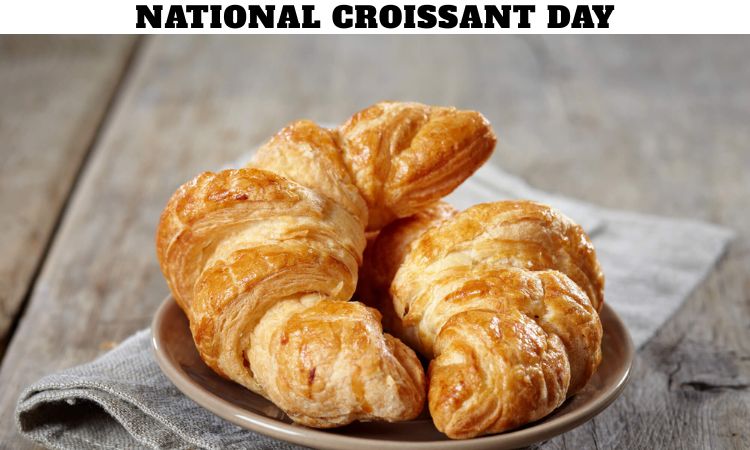
We celebrate National Croissant Day on January 30, honoring one of the world’s most beloved pastries. The croissant is more than a breakfast staple; it is a symbol of culinary craftsmanship, patience, and indulgence. With its golden, flaky layers, rich buttery aroma, and delicate crunch, the croissant has earned its place on café menus and dining tables across the globe. On this day, we pause to appreciate the history, artistry, and versatility of this iconic pastry.
The Origin and Evolution of the Croissant
The croissant’s journey is steeped in European history. While widely associated with France, its roots trace back to Austria’s kipferl, a crescent-shaped bread enjoyed as early as the 13th century. French bakers refined the recipe in the 19th century, replacing simple dough with laminated dough enriched with butter, transforming it into the flaky masterpiece we know today.
By the early 20th century, the croissant had become a cornerstone of French breakfast culture. Its rise in popularity spread beyond Europe, and today, the croissant stands as a global symbol of refined baking and artisanal excellence.
Why January 30 Is Dedicated to Croissants?
National Croissant Day is dedicated to recognizing the cultural and culinary impact of this pastry. The date offers bakeries, chefs, and food lovers an opportunity to celebrate creativity in baking, experiment with new flavors, and honor traditional methods that demand precision and patience. It is a day when croissants take center stage, inspiring appreciation for classic techniques and modern interpretations alike.
The Craftsmanship Behind a Perfect Croissant
Creating a perfect croissant is a testament to skill and dedication. The process involves laminating dough with butter through repeated folding and rolling. This technique creates dozens of thin layers that puff and crisp when baked. The result is a pastry that is crispy on the outside, soft and airy inside, and rich without being heavy.
Temperature control, high-quality butter, and precise timing are essential. Each step contributes to the croissant’s signature texture and flavor. This meticulous craftsmanship is what elevates the croissant from a simple pastry to an edible work of art.
Classic and Modern Croissant Varieties
Croissants have evolved into countless variations while preserving their classic charm. Traditional options include:
Butter Croissant – Pure, rich, and timeless
Chocolate Croissant (Pain au Chocolat) – Filled with dark chocolate batons
Almond Croissant – Stuffed with almond cream and topped with sliced almonds
Modern interpretations expand the croissant’s appeal even further. Savory versions feature cheese, ham, spinach, and herbs, while contemporary sweet fillings include pistachio, matcha, salted caramel, and fruit compotes. These innovations showcase the croissant’s adaptability and enduring popularity.
The Global Popularity of Croissants
From Parisian cafés to New York bakeries and Asian patisseries, croissants are enjoyed worldwide. Each region adds its own twist, reflecting local tastes and ingredients. In some cultures, croissants are paired with coffee for a light breakfast, while in others they serve as a base for gourmet sandwiches.
This global appeal underscores the croissant’s versatility and universal charm. National Croissant Day celebrates not only a pastry but also a shared love for fine baking across cultures.
Croissants in Modern Culinary Culture
In today’s culinary scene, croissants have become a canvas for creativity. Social media has amplified trends such as croissant cubes, cruffins, and stuffed croissants, drawing attention to innovative shapes and flavors. Artisanal bakeries emphasize quality ingredients, traditional methods, and visual appeal, elevating the croissant to a gourmet experience.
Chefs and bakers continue to push boundaries, blending classic French techniques with contemporary culinary ideas. This evolution keeps the croissant relevant and exciting for new generations of food enthusiasts.
How to Celebrate National Croissant Day?
Celebrating National Croissant Day can be as simple or elaborate as desired. We can support local bakeries by indulging in freshly baked croissants, trying new flavors, or even attempting to bake croissants at home. Sharing croissants with friends and colleagues adds a communal touch to the celebration.
Many bakeries offer special discounts or limited-edition flavors on this day, making it the perfect opportunity to explore unique creations while honoring tradition.
Pairing Croissants with Beverages
The croissant pairs beautifully with a variety of beverages. A classic espresso or cappuccino enhances the buttery richness, while tea offers a lighter contrast. For a more indulgent experience, hot chocolate complements sweet croissant varieties, creating a comforting combination.
These pairings highlight the croissant’s ability to adapt to different tastes and occasions, from casual breakfasts to refined brunch gatherings.
Nutritional Perspective and Balanced Enjoyment
While croissants are indulgent, they can be enjoyed as part of a balanced lifestyle. Made primarily from flour, butter, and yeast, croissants provide energy and satisfaction. Moderation allows us to savor their flavor without guilt, appreciating quality over quantity.
Artisanal croissants made with premium ingredients often offer a richer taste, meaning less is needed to feel satisfied. This approach aligns with mindful eating and culinary appreciation.
The Enduring Legacy of the Croissant
The croissant’s enduring legacy lies in its ability to bridge tradition and innovation. It represents centuries of baking knowledge while continuously evolving to meet modern tastes. National Croissant Day serves as a reminder of the beauty found in simple ingredients transformed through skill and passion.
As we celebrate on January 30, we honor bakers, chefs, and food lovers who keep this tradition alive, ensuring that the croissant remains a symbol of excellence and enjoyment for generations to come.
Conclusion
National Croissant Day is a celebration of flavor, history, and craftsmanship. From its humble origins to its global presence, the croissant stands as a testament to the art of baking. By indulging in this iconic pastry, we participate in a shared culinary tradition that transcends borders and cultures. Let us celebrate the croissant not just as food, but as an experience that delights the senses and brings people together.