

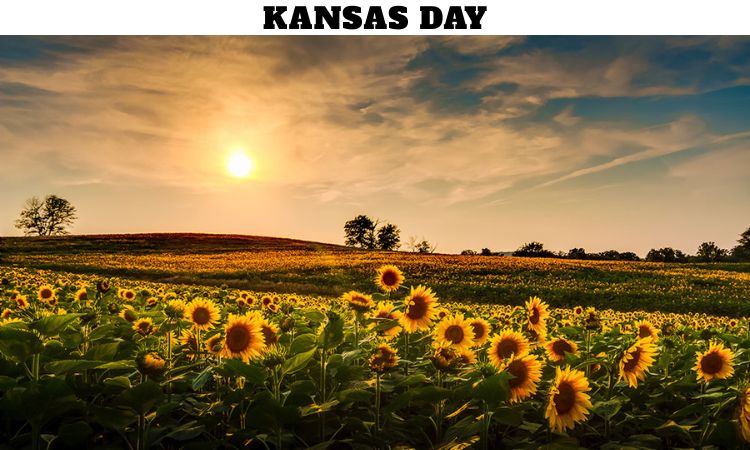
We proudly celebrate Kansas Day on January 29, a day dedicated to honoring the rich history, cultural heritage, and enduring spirit of the Sunflower State. This special day commemorates Kansas’s admission into the United States as the 34th state in 1861, marking a pivotal moment in American history. Kansas Day is more than a historical milestone; it is a celebration of resilience, innovation, agriculture, and community values that define Kansas even today.
Observed annually across schools, institutions, and communities, Kansas Day offers an opportunity to reflect on the state’s past achievements while embracing its future aspirations.
The Historical Significance of Kansas Day
Kansas occupies a unique and powerful position in American history. Before becoming a state, Kansas was at the center of national debates over freedom and slavery during the era known as “Bleeding Kansas.” This turbulent period shaped the state’s identity as a symbol of determination and democratic values.
When Kansas officially joined the Union on January 29, 1861, it entered as a free state, just weeks before the outbreak of the Civil War. This decision had profound political and moral implications, influencing the course of the nation. Kansas Day honors this courageous stand and recognizes the sacrifices made to uphold liberty and justice.
Why is Kansas called the Sunflower State?
Kansas is famously known as the Sunflower State, a nickname that reflects both its natural beauty and symbolic strength. Sunflowers flourish across Kansas landscapes, representing optimism, resilience, and growth—qualities deeply embedded in the state’s character.
The sunflower became the official state flower in 1903 and continues to be a powerful emblem celebrated on Kansas Day through art, education, and public displays.
Kansas Day Traditions and Celebrations
Across the state, Kansas Day is marked by meaningful traditions and educational activities that bring history to life. We observe this day through:
School Programs and Projects focusing on Kansas history, geography, and famous Kansans
Historical Reenactments showcasing pioneer life and territorial struggles
Community Events hosted by museums, libraries, and cultural centers
Art and Essay Competitions inspired by Kansas heritage
These celebrations ensure that future generations understand and appreciate the importance of Kansas in shaping the nation.
Cultural Heritage of Kansas
Kansas boasts a diverse cultural heritage influenced by Native American tribes, European settlers, African American pioneers, and immigrant communities. Long before statehood, tribes such as the Kansa, Pawnee, and Wichita inhabited the region, leaving a lasting legacy that is honored on Kansas Day.
From folk music and storytelling to regional cuisine and craftsmanship, Kansas culture reflects a harmonious blend of traditions rooted in perseverance and creativity.
Kansas and Its Agricultural Legacy
We cannot celebrate Kansas Day without recognizing the state’s vital role in American agriculture. Often referred to as the “Breadbasket of the Nation,” Kansas leads in wheat production and contributes significantly to corn, sorghum, and cattle farming.
The vast plains and fertile soil have supported generations of farmers whose hard work sustains food systems nationwide. Kansas Day highlights this agricultural excellence and the innovations that continue to strengthen rural communities.
Famous Kansans Who Shaped History
Kansas has produced influential figures who left indelible marks on politics, literature, science, and civil rights. Celebrated Kansans include:
Amelia Earhart, aviation pioneer and global icon
Dwight D. Eisenhower, 34th President of the United States
Gwendolyn Brooks, Pulitzer Prize-winning poet
Langston Hughes, leader of the Harlem Renaissance
On Kansas Day, we honor these individuals whose achievements reflect the state’s enduring impact on the world.
Kansas Geography and Natural Beauty
Kansas landscapes offer more than endless plains. The state features rolling hills, scenic prairies, rivers, and wildlife habitats that support rich biodiversity. From the Flint Hills to the Arkansas River, Kansas’s natural beauty plays a vital role in tourism, conservation, and outdoor recreation.
Kansas Day encourages appreciation for these natural resources and promotes environmental stewardship for future generations.
Educational Importance of Kansas Day
Kansas Day is widely recognized as an educational observance. Schools across the state integrate Kansas history into lesson plans, allowing students to explore:
State symbols and geography
Historical milestones and key events
Contributions of Kansas to national development
This focus on education strengthens civic pride and fosters a deeper understanding of local and national identity.
Modern Kansas: Innovation and Progress
While deeply rooted in tradition, Kansas continues to evolve as a center for innovation, aerospace engineering, renewable energy, and healthcare advancements. Cities like Wichita, Overland Park, and Kansas City (Kansas) serve as economic and cultural hubs, driving progress.
Kansas Day celebrates not only the past but also the forward-looking vision that defines modern Kansas—a state committed to growth, opportunity, and community well-being.
How We Can Celebrate Kansas Day Meaningfully?
We believe Kansas Day is best celebrated through active participation and reflection. Meaningful ways to observe the day include:
Visiting Kansas museums and historical landmarks
Supporting local Kansas businesses and farmers
Learning about state history through books and documentaries
Sharing Kansas stories and traditions with younger generations
These actions strengthen connections to the state’s heritage and reinforce shared values.
The Enduring Spirit of Kansas
At its core, Kansas Day represents resilience, unity, and pride. Kansas embodies the heart of America—steadfast, hardworking, and hopeful. The state’s journey from frontier territory to modern powerhouse reflects a story of perseverance that continues to inspire.
As we celebrate Kansas Day, we reaffirm our commitment to honoring history, supporting communities, and shaping a future worthy of the Sunflower State’s legacy.
Conclusion: Honoring Kansas on January 29
Kansas Day is more than a date on the calendar; it is a tribute to a state that has shaped American values and continues to influence national progress. Through education, celebration, and reflection, we recognize Kansas as a cornerstone of American heritage.