

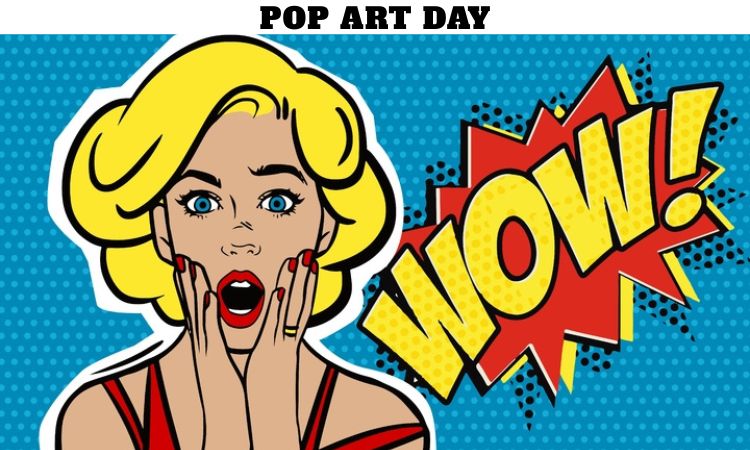
Every year on January 28, the global art community comes together to celebrate Pop Art Day, a tribute to one of the most influential and disruptive art movements of the 20th century. On this day, we honor a genre that challenged traditional notions of fine art, blurred the boundaries between high culture and popular culture, and reshaped visual expression forever. Pop Art is not merely an artistic style; it is a cultural phenomenon that continues to inspire artists, designers, advertisers, and digital creators worldwide.
As we observe Pop Art Day, we explore the origins, evolution, iconic figures, defining characteristics, and lasting impact of Pop Art on contemporary society. This celebration is a recognition of creativity, rebellion, color, and commentary—all wrapped into a movement that dared to turn the ordinary into the extraordinary.
The Origins of Pop Art: A Cultural Awakening
The Pop Art movement emerged in the mid-1950s in Britain and gained monumental momentum in the late 1950s and 1960s in the United States. It arose as a direct response to the emotional intensity and abstraction of Abstract Expressionism. Artists sought a fresh visual language—one rooted in mass media, consumer culture, advertising, comics, and everyday objects.
Pop Art drew inspiration from what people saw daily: supermarket shelves, movie stars, billboards, product packaging, and newspapers. By elevating these familiar images into fine art, Pop artists made a powerful statement about modern life, consumption, and identity. January 28, now celebrated as Pop Art Day, symbolizes this creative rebellion that transformed mundane visuals into iconic masterpieces.
Defining Characteristics of Pop Art
What makes Pop Art instantly recognizable is its bold, unapologetic visual style. The movement is defined by several core characteristics that continue to influence visual culture today.
Pop Art is known for bright, vibrant colors, often inspired by commercial printing techniques. Artists employed bold outlines, flat imagery, and repetitive patterns to mimic mass production. Popular imagery—such as celebrities, comic strips, brand logos, and consumer goods—became central subjects. Techniques like silkscreen printing, collage, and mixed media were widely used to emphasize reproducibility and accessibility.
Another defining feature of Pop Art is its ironic tone. While some works celebrate consumer culture, others subtly critique materialism, fame, and mass consumption. This duality is what gives Pop Art its enduring relevance and intellectual depth.
Iconic Pop Art Artists Who Shaped History
The legacy of Pop Art Day is inseparable from the artists who defined the movement and pushed its boundaries.
Andy Warhol stands as the most recognizable figure in Pop Art history. His works featuring Campbell’s Soup Cans, Marilyn Monroe, and Coca-Cola bottles revolutionized the art world. Warhol transformed mass-produced images into symbols of modern society, questioning originality, fame, and consumer obsession.
Roy Lichtenstein brought comic book aesthetics into fine art, using Ben-Day dots and speech bubbles to create visually striking, emotionally detached works. His paintings challenged perceptions of art by replicating printed media on a monumental scale.
Richard Hamilton, often credited as one of the founders of British Pop Art, explored the intersection of technology, media, and domestic life. Claes Oldenburg reimagined everyday objects as oversized sculptures, while James Rosenquist fused advertising imagery with political commentary.
Together, these artists built the foundation that makes Pop Art Day a globally recognized celebration of creative innovation.
Why January 28 Is Celebrated as Pop Art Day?
January 28 holds special significance as a day dedicated to celebrating Pop Art’s lasting influence. While the movement itself spans decades, this date has become a symbolic moment to reflect on how Pop Art reshaped artistic expression and cultural dialogue.
Pop Art Day is observed through museum exhibitions, art workshops, online campaigns, educational programs, and creative challenges. Artists and enthusiasts revisit classic Pop Art works while also exploring modern interpretations influenced by digital media, social platforms, and global pop culture. The day serves as both a homage to the pioneers of the movement and a platform for contemporary creators to reinterpret Pop Art for a new generation.
The Cultural Impact of Pop Art on Modern Society
The influence of Pop Art extends far beyond galleries and museums. It has deeply shaped advertising, graphic design, fashion, film, music, and digital art. The visual language of Pop Art is everywhere—from album covers and street murals to social media graphics and brand campaigns.
Pop Art democratized art by making it accessible and relatable. By drawing from everyday life, it connected with a wider audience and challenged elitist perceptions of fine art. Today, its influence is evident in street art, NFTs, digital illustrations, and influencer culture, where bold visuals and popular imagery dominate.
As we celebrate Pop Art Day, we recognize how the movement continues to reflect society’s relationship with media, fame, technology, and consumerism.
Pop Art in the Digital Age
In the digital era, Pop Art has found new life and relevance. Social media platforms thrive on visually striking content—an environment perfectly suited to Pop Art aesthetics. Modern creators remix Pop Art elements with digital tools, animation, augmented reality, and artificial intelligence, pushing the movement into new creative territories.
Digital Pop Art often incorporates memes, viral imagery, emojis, and global pop icons, echoing the original movement’s fascination with mass culture. The spirit of Pop Art—bold, accessible, and culturally reflective—remains alive and evolving. January 28 Pop Art Day now celebrates not only historical masterpieces but also innovative digital expressions shaping the future of visual culture.
How to Celebrate Pop Art Day on January 28?
Pop Art Day offers endless opportunities for creative engagement. Individuals and organizations celebrate by exploring iconic artworks, creating Pop Art-inspired designs, hosting exhibitions, and sharing vibrant visuals online. Educational institutions use the day to teach students about visual culture, media literacy, and artistic innovation.
Businesses and brands also embrace Pop Art Day by incorporating bold graphics into marketing campaigns, aligning with the movement’s playful yet impactful aesthetic. Whether through art creation, learning, or appreciation, January 28 becomes a global celebration of creativity and cultural expression.
The Enduring Legacy of Pop Art
Decades after its emergence, Pop Art remains one of the most influential art movements in history. Its ability to adapt, evolve, and resonate across generations is a testament to its power. Pop Art challenged conventions, questioned values, and reshaped how we view art and culture.