

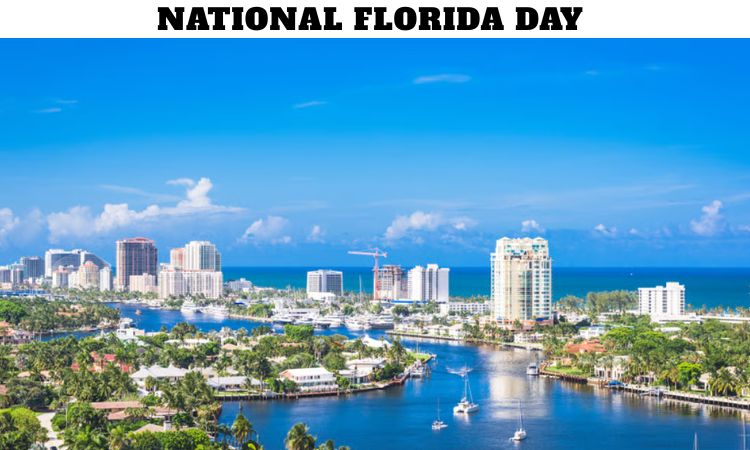
National Florida Day, celebrated every year on January 25, is a dedicated occasion to recognize, appreciate, and reflect on the cultural richness, historical depth, natural beauty, and economic importance of the Sunshine State. As one of the most dynamic and influential states in the United States, Florida holds a unique position in American history and modern life. On this day, we collectively celebrate Florida’s journey from its earliest indigenous roots to its status as a global tourism, trade, and innovation hub.
Observed by residents, history enthusiasts, travelers, and educators alike, National Florida Day serves as an opportunity to highlight what makes Florida exceptional—its landscapes, people, traditions, and contributions to the nation.
The Historical Significance of January 25
January 25 holds historical relevance as it commemorates Florida’s early exploration and settlement era, marking moments that shaped the region’s destiny. Florida was first explored by Spanish conquistador Juan Ponce de León in 1513, making it one of the earliest areas of European influence in North America. Over centuries, Florida transitioned through Spanish, British, and finally American governance before becoming the 27th state of the United States in 1845.
National Florida Day acknowledges this layered past, recognizing both the triumphs and complexities that formed the state’s identity. From early indigenous civilizations such as the Calusa, Timucua, and Apalachee tribes to modern metropolitan centers, Florida’s story is one of resilience and evolution.
Why Florida Is Called the Sunshine State?
Florida proudly carries the nickname “The Sunshine State,” a title that reflects its subtropical and tropical climate. With more than 230 days of sunshine annually, Florida offers a warm and inviting environment that has attracted settlers, retirees, entrepreneurs, and tourists for generations.
This abundant sunshine is not just symbolic; it plays a vital role in Florida’s agriculture, tourism, renewable energy initiatives, and outdoor lifestyle. National Florida Day celebrates this defining characteristic that continues to shape the state’s economy and quality of life.
Florida’s Unique Geography and Natural Wonders
One of the most remarkable aspects of Florida is its diverse geography. It is the only state in the U.S. bordered by both the Atlantic Ocean and the Gulf of Mexico, offering over 1,300 miles of coastline. Florida is home to world-renowned beaches, crystal-clear springs, vast wetlands, and rare ecosystems.
Key Natural Highlights
The Everglades National Park, a UNESCO World Heritage Site and the largest subtropical wilderness in North America
Florida Keys, known for coral reefs, marine biodiversity, and island culture
Freshwater springs such as Silver Springs and Wakulla Springs
Barrier islands and mangrove forests that protect coastlines and wildlife
National Florida Day brings attention to the importance of preserving these natural treasures while appreciating their global ecological value.
Cultural Diversity and Population Influence
Florida is one of the most culturally diverse states in the country. Its population reflects a rich blend of Latin American, Caribbean, African, European, and Indigenous influences. Cities like Miami, Tampa, Orlando, and Jacksonville are cultural melting pots where languages, cuisines, music, and traditions coexist.
This diversity has shaped Florida’s arts, festivals, food culture, and business environment. On National Florida Day, we recognize how multicultural communities contribute to the state’s vibrancy and global outlook.
Florida’s Role in Tourism and Global Travel
Tourism is a cornerstone of Florida’s economy, making it one of the most visited destinations in the world. Millions of travelers visit Florida annually to experience its attractions, beaches, theme parks, and cultural landmarks.
Major Tourism Highlights
Walt Disney World Resort and Universal Studios in Orlando
Miami Beach and South Florida nightlife
Kennedy Space Center, a symbol of American space exploration
Historic St. Augustine, the oldest continuously inhabited European-established city in the U.S.
National Florida Day is an ideal moment to celebrate how tourism has shaped the state’s global identity and provided economic opportunities for millions.
Economic Power and Innovation in Florida
Beyond tourism, Florida is a major economic force with strengths in aerospace, international trade, agriculture, healthcare, finance, and technology. The state’s strategic location makes it a gateway to Latin America and the Caribbean, enhancing its role in global commerce.
Florida is also a leader in space exploration, with Cape Canaveral serving as a launch site for NASA and private aerospace companies. National Florida Day recognizes the state’s contributions to innovation, research, and future-focused industries.
Florida’s Influence on Arts, Sports, and Entertainment
Florida has produced and hosted some of the most influential names and events in music, sports, and entertainment. From iconic musicians and writers to championship sports teams, the state has a lasting cultural footprint.
Professional sports franchises in football, basketball, baseball, hockey, and soccer attract fans worldwide. Annual events such as Art Basel Miami Beach, Daytona 500, and international film festivals further elevate Florida’s cultural status.
National Florida Day celebrates these creative and athletic achievements that unite communities and inspire global audiences.
How National Florida Day Is Celebrated?
National Florida Day is celebrated in both formal and informal ways. Residents often honor the day by exploring local history, supporting small businesses, visiting parks, or sharing Florida-themed content online. Educational institutions use the day to teach students about state history and civic pride.
Common ways to observe the day include:
Visiting historical landmarks or museums
Enjoying Florida-inspired cuisine and seafood
Participating in community events or virtual celebrations
Sharing stories, photos, and facts about Florida
The essence of the day lies in appreciation and awareness rather than ceremony.
The Importance of National Florida Day
National Florida Day is more than a symbolic observance. It reinforces a sense of identity, encourages historical understanding, and promotes environmental responsibility. By dedicating a day to Florida, we acknowledge its impact on national culture, economy, and global perception.
The observance also encourages reflection on sustainable growth, conservation, and inclusive progress—values essential to Florida’s future.
Conclusion: Celebrating Florida’s Past, Present, and Future
On January 25, National Florida Day invites us to celebrate a state defined by sunshine, diversity, innovation, and resilience. From its early history and natural wonders to its modern achievements and global influence, Florida represents opportunity and transformation.