

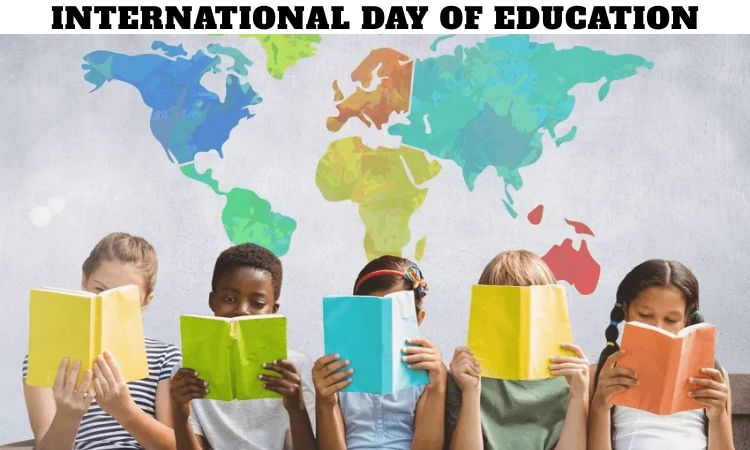
We observe International Day of Education on January 24 as a powerful reminder that education is the cornerstone of sustainable development, social equity, and economic resilience. This global observance emphasizes the essential role education plays in empowering individuals, strengthening communities, and shaping peaceful, inclusive societies. As the world confronts complex challenges—from climate change to digital transformation—we recognize that quality education is not optional; it is fundamental.
International Day of Education unites governments, institutions, educators, learners, and communities in a shared commitment to inclusive, equitable, and lifelong learning opportunities for all. This day reaffirms education as a basic human right and a public good that must be protected, invested in, and continuously improved.
The Global Significance of International Day of Education
Education is the driving force behind innovation, social mobility, and democratic participation. By dedicating a global day to education, we reinforce the collective responsibility to leave no learner behind, regardless of geography, gender, socioeconomic background, or ability.
International Day of Education highlights how learning contributes to:
Poverty reduction and economic growth
Gender equality and social justice
Health, well-being, and civic engagement
Peacebuilding and global cooperation
Through this observance, we bring global attention to education systems that must evolve to meet the needs of rapidly changing societies.
Why January 24 Matters in the Global Education Agenda?
January 24 serves as a strategic moment to reflect on progress and renew commitments toward global education goals. It aligns closely with Sustainable Development Goal 4 (SDG 4), which aims to ensure inclusive and equitable quality education and promote lifelong learning opportunities for all.
We use this day to:
Evaluate education access and learning outcomes worldwide
Address gaps in quality, equity, and inclusion
Mobilize political will and financial investment
Encourage innovation in teaching and learning
The observance strengthens international collaboration and reinforces education as a shared global priority.
Education as a Human Right and Public Good
We affirm that education is a fundamental human right enshrined in international law. It is also a public good that benefits societies far beyond individual learners. When education systems are strong, societies experience higher productivity, improved health outcomes, and stronger democratic institutions.
International Day of Education underscores the need to:
Protect education from conflict, crisis, and inequality
Ensure free and compulsory primary education
Expand access to secondary, tertiary, and vocational learning
Support teachers as the backbone of education systems
By investing in education, we invest in a future defined by opportunity rather than limitation.
The Role of Education in Sustainable Development
Sustainable development depends on informed, skilled, and engaged citizens. Education equips learners with critical thinking, problem-solving, and digital skills necessary to address global challenges.
On International Day of Education, we emphasize how education supports:
Climate action and environmental stewardship
Technological literacy and digital inclusion
Entrepreneurship and decent work
Responsible citizenship and ethical leadership
Education empowers individuals to contribute meaningfully to sustainable economies and resilient communities.
Promoting Equity and Inclusion Through Education
We recognize that millions of children, youth, and adults still face barriers to education. These barriers include poverty, discrimination, displacement, disability, and lack of infrastructure. International Day of Education calls for urgent action to close these gaps.
Key priorities include:
Expanding access for marginalized and vulnerable populations
Eliminating gender disparities in education
Supporting learners in humanitarian and conflict-affected settings
Providing inclusive education for learners with disabilities
Equitable education systems ensure that every learner has the opportunity to reach their full potential.
Empowering Teachers and Educators Worldwide
Teachers are the heart of education systems. We acknowledge their dedication, expertise, and resilience in shaping minds and futures. International Day of Education highlights the importance of supporting, training, and valuing educators at every level.
We emphasize the need to:
Improve teacher training and professional development
Ensure fair wages and safe working conditions
Equip teachers with digital tools and resources
Elevate the status of the teaching profession
Empowered teachers lead to engaged learners and stronger education outcomes.
Digital Transformation and the Future of Learning
Education is undergoing rapid transformation driven by technology. Digital learning platforms, artificial intelligence, and open educational resources are reshaping how knowledge is delivered and accessed. On International Day of Education, we focus on leveraging innovation while ensuring equity.
Critical areas of focus include:
Bridging the digital divide
Ensuring safe and ethical use of educational technology
Expanding access to online and blended learning
Promoting digital literacy for all ages
Technology must serve as a tool for inclusion, not a source of new inequalities.
Lifelong Learning in a Changing World
Learning does not end with formal schooling. We promote lifelong learning as essential for adapting to evolving labor markets and social realities. International Day of Education reinforces the value of continuous education across all stages of life.
Lifelong learning supports:
Workforce upskilling and reskilling
Personal growth and civic participation
Innovation and economic adaptability
Social cohesion and cultural understanding
By embracing lifelong learning, societies remain agile, inclusive, and forward-looking.
Global Collaboration for Education Advancement
Progress in education requires collective action. Governments, international organizations, civil society, the private sector, and communities must work together to strengthen education systems. International Day of Education serves as a platform for global solidarity and shared responsibility.
Collaborative efforts focus on:
Increasing education financing
Sharing best practices and research
Supporting education in emergencies
Aligning national policies with global goals
Through cooperation, we accelerate progress toward universal, quality education.
How International Day of Education inspire action?
This global observance is more than a symbolic date. It is a catalyst for dialogue, policy reform, and grassroots initiatives. Around the world, communities mark January 24 with:
Educational campaigns and public discussions
Policy announcements and funding commitments
Learning events, workshops, and conferences
Recognition of educators and learners
These actions reinforce education as a priority that demands sustained attention and investment.
Shaping a Better Future Through Education
We believe that education is the most powerful tool for transforming lives and societies. International Day of Education on January 24 reminds us that progress begins in classrooms, communities, and lifelong learning spaces around the world.