

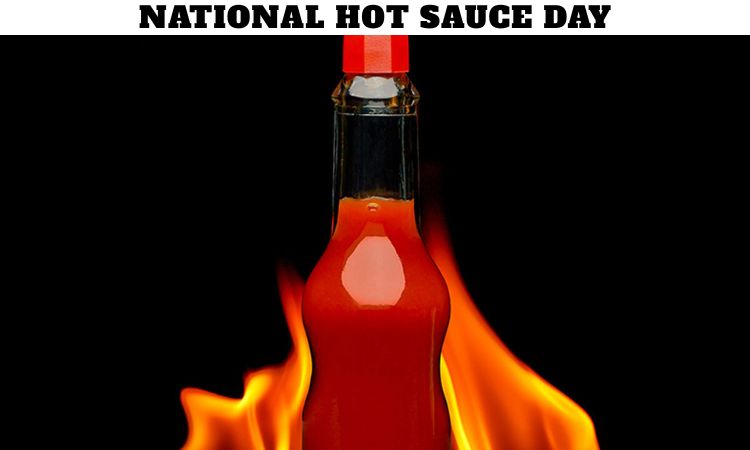
National Hot Sauce Day, celebrated annually on January 22, is a bold tribute to one of the most powerful and beloved condiments in the world. From subtle warmth to extreme heat, hot sauce has become an essential part of global cuisine. We recognize this day as an opportunity to honor the history, diversity, craftsmanship, and culinary influence of hot sauce across cultures and continents. This celebration unites food lovers, chefs, and spice enthusiasts through a shared appreciation for flavor-driven heat.
The Origins and Evolution of Hot Sauce
Hot sauce traces its roots back thousands of years, with early evidence found in ancient Mesoamerican civilizations, where chili peppers were cultivated and blended into sauces using water and herbs. Over time, as trade routes expanded and cultures merged, hot sauce evolved into countless regional varieties.
We now see hot sauce as a global phenomenon, shaped by local ingredients, fermentation methods, and culinary traditions. From vinegar-based sauces in the United States to fermented chili pastes in Asia and pepper-forward blends in the Caribbean, the evolution of hot sauce reflects human creativity and cultural exchange.
Why January 22 Is Dedicated to Hot Sauce?
January 22 was chosen to spotlight the growing popularity of hot sauce in modern cuisine. We celebrate this day to recognize not only the condiment itself but also the farmers, artisans, and innovators behind every bottle. National Hot Sauce Day encourages experimentation, appreciation of heat levels, and exploration of new flavor profiles.
Popular Types of Hot Sauce Around the World
American Hot Sauces
American hot sauces often rely on vinegar and cayenne peppers, offering a sharp, tangy heat. These sauces are versatile and commonly paired with eggs, wings, and sandwiches.
Mexican Hot Sauces
Mexican varieties focus on fresh chili flavor, using jalapeños, serranos, chipotles, and habaneros. These sauces emphasize balance, combining heat with acidity and natural sweetness.
Caribbean Hot Sauces
Caribbean hot sauces are known for their intense heat and tropical notes, often made with Scotch bonnet peppers, mango, pineapple, and spices.
Asian Chili Sauces
Asian hot sauces range from fermented chili pastes to sweet and spicy blends. Ingredients such as garlic, soy, and rice vinegar add depth and umami.
Understanding Scoville Heat Units and Pepper Power
The heat of hot sauce is measured using the Scoville Heat Unit (SHU) scale. We use this scale to understand how mild or intense a sauce is. Bell peppers rank at zero, while some of the hottest peppers in the world exceed two million SHU.
Popular peppers used in hot sauces include:
Jalapeño – Mild to medium heat
Habanero – High heat with fruity notes
Ghost Pepper – Extreme heat
Carolina Reaper – One of the hottest peppers globally
Understanding SHU helps consumers select sauces that match their tolerance and culinary needs.
Health Benefits of Hot Sauce
Hot sauce is not just about heat; it also offers notable health advantages. We highlight several benefits associated with moderate consumption:
Boosts metabolism due to capsaicin
Supports heart health by improving circulation
Enhances digestion by stimulating gastric juices
Provides antioxidants from chili peppers
Capsaicin, the compound responsible for heat, is widely studied for its potential role in pain relief and inflammation reduction.
Hot Sauce in Modern Culinary Culture
Hot sauce has moved beyond the dining table and into mainstream culture. We see it featured in gourmet restaurants, cooking shows, food festivals, and viral challenges. Chefs now design entire menus around spice levels, while home cooks experiment with hot sauce pairings across cuisines.
From pizza and pasta to chocolate and cocktails, hot sauce has become a creative tool rather than just a condiment.
How do we celebrate National Hot Sauce Day?
We encourage celebrating National Hot Sauce Day through immersive and flavorful experiences:
Tasting different hot sauce varieties
Cooking meals centered around spices
Supporting local hot sauce brands
Hosting spicy food challenges
Learning about pepper cultivation and fermentation
This day is about exploration, appreciation, and sharing the joy of heat-driven flavor.
The Rise of Artisanal and Craft Hot Sauces
The demand for artisanal hot sauces has grown rapidly. Small-batch producers focus on quality ingredients, sustainable farming, and unique flavor combinations. We see an emphasis on:
Natural fermentation
Locally sourced peppers
No artificial preservatives
Innovative blends
Craft hot sauces often tell a story, connecting consumers to the origin of the ingredients and the passion of the maker.
Pairing Hot Sauce with Food
Pairing the right hot sauce with the right dish enhances the overall dining experience. We recommend:
Mild sauces with eggs, seafood, and vegetables
Medium heat sauces with tacos, burgers, and pasta
High-heat sauces with grilled meats and stews
Sweet-heat sauces with desserts and cocktails
Balance is key, ensuring the sauce complements rather than overwhelms the dish.
Hot Sauce as a Global Culinary Connector
Hot sauce transcends borders, uniting cultures through a shared love of spice. We observe how different regions adapt chili heat to their traditions, creating a universal language of flavor. National Hot Sauce Day serves as a reminder of how food connects people, stories, and traditions worldwide.
Conclusion: Honoring Heat on January 22
National Hot Sauce Day is more than a celebration of spice; it is a recognition of creativity, culture, and culinary evolution. We honor the journey of hot sauce from ancient kitchens to modern tables, embracing its diversity and impact. Whether mild or fiery, hot sauce continues to inspire passion and innovation across the global food landscape.