

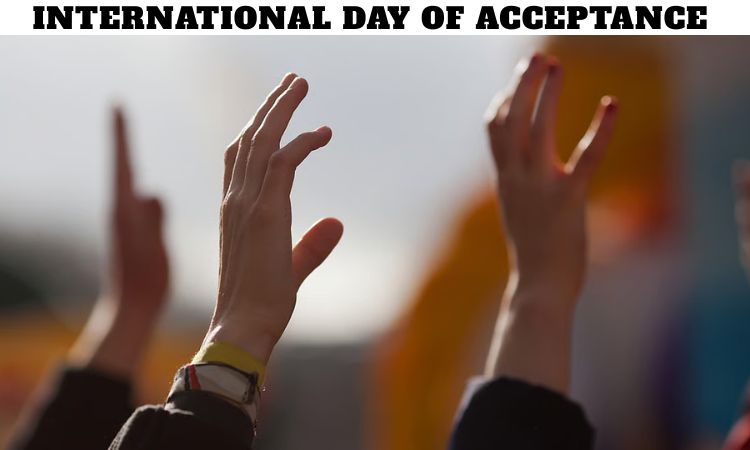
The International Day of Acceptance, observed every year on January 20, stands as a global reminder of the importance of embracing diversity, respecting differences, and fostering a world built on empathy and inclusion. On this significant day, we collectively recognize that acceptance is not merely tolerance but a proactive commitment to understanding, valuing, and uplifting individuals of all abilities, backgrounds, and identities.
As societies evolve, the relevance of the International Day of Acceptance continues to grow. It is a day that calls upon communities, organizations, educators, and policymakers to reflect, act, and lead with compassion. Through acceptance, we lay the foundation for equality, dignity, and shared humanity.
The Meaning and Purpose of the International Day of Acceptance
The International Day of Acceptance promotes a universal message: every individual deserves respect, opportunity, and inclusion, regardless of physical ability, mental health, appearance, culture, or personal circumstances. This day emphasizes moving beyond awareness into action-driven acceptance, encouraging people to challenge stereotypes and remove barriers that prevent full participation in society.
Acceptance empowers individuals who have historically faced exclusion. It shifts narratives from limitation to potential, from judgment to understanding, and from separation to unity. On January 20, we reaffirm that diversity is not a challenge to overcome, but a strength to celebrate.
Why January 20 Matters Globally?
The choice of January 20 as the International Day of Acceptance symbolizes a fresh start at the beginning of the year. It sets the tone for the months ahead, urging societies to begin with inclusive values and human-centered thinking. Observing this day early in the year reinforces long-term commitments to equality and social justice.
Globally, the day resonates across cultures, schools, workplaces, and digital communities. It provides a shared platform to address discrimination, promote accessibility, and highlight the importance of mental and emotional well-being.
Acceptance vs. Tolerance: A Crucial Difference
While tolerance implies enduring differences, acceptance goes further by embracing them. The International Day of Acceptance challenges passive attitudes and encourages genuine inclusion.
Tolerance allows differences to exist
Acceptance celebrates differences as valuable
Through acceptance, we create environments where individuals feel seen, heard, and respected. This mindset fosters innovation, collaboration, and stronger communities.
The Role of Acceptance in Building Inclusive Societies
Inclusive societies are built when acceptance becomes a shared responsibility. On the International Day of Acceptance, we highlight how acceptance impacts every aspect of life:
Education and Learning
Inclusive education ensures that students of all abilities and backgrounds receive equal opportunities. Acceptance in classrooms promotes empathy, reduces bullying, and nurtures confident learners.
Workplaces and Professional Spaces
Acceptance in the workplace leads to diverse teams, improved productivity, and healthier work cultures. Organizations that value inclusion benefit from broader perspectives and stronger employee engagement.
Healthcare and Well-being
Acceptance plays a vital role in mental and physical health. When individuals feel accepted, they are more likely to seek care, communicate openly, and maintain overall well-being.
Disability Inclusion and the Core of Acceptance
A central focus of the International Day of Acceptance is disability inclusion. Millions of people worldwide live with visible and invisible disabilities, yet societal barriers often limit their participation.
Acceptance shifts the focus from disability to ability. It encourages accessibility, adaptive technologies, and inclusive policies that empower individuals to live independently and confidently. By normalizing differences, we reduce stigma and promote dignity for all.
Mental Health Acceptance and Emotional Inclusivity
Mental health acceptance is a critical component of this global observance. The International Day of Acceptance reinforces the idea that mental health challenges are part of the human experience, not a source of shame.
Acceptance fosters safe spaces for conversation, reduces isolation, and encourages support-seeking behavior. When societies accept mental health as essential to overall wellness, individuals thrive both personally and professionally.
How Communities Can Observe International Day of Acceptance?
Communities play a powerful role in amplifying the message of acceptance. Meaningful observance of International Day of Acceptance includes:
Hosting inclusive events and open discussions
Promoting accessibility in public spaces
Sharing real stories that highlight resilience and diversity
Encouraging acts of kindness and understanding
Collective participation strengthens social bonds and reinforces shared values.
The Importance of Acceptance in the Digital Age
In an increasingly digital world, acceptance extends beyond physical spaces. Online platforms influence perceptions, behaviors, and narratives. The International Day of Acceptance reminds us to foster respectful digital communities free from hate, exclusion, and misinformation.
Promoting acceptance online involves responsible communication, inclusive representation, and empathy-driven engagement. Digital acceptance has the power to connect diverse voices across borders and cultures.
Acceptance as a Catalyst for Positive Change
Acceptance is not a one-day initiative; it is a continuous commitment. The International Day of Acceptance catalyzes long-term transformation by encouraging:
Policy reforms that prioritize inclusion
Educational programs that teach empathy early
Corporate responsibility toward diversity and accessibility
Individual accountability in daily interactions
Through consistent action, acceptance becomes embedded in social systems and cultural norms.
Why Acceptance Strengthens Humanity?
At its core, acceptance reinforces our shared humanity. It allows individuals to live authentically without fear of judgment or exclusion. The International Day of Acceptance highlights that progress is achieved not by uniformity, but by honoring individuality.
When acceptance guides decisions and behaviors, societies become more resilient, compassionate, and united. It creates a future where differences inspire growth rather than division.
A Collective Commitment on January 20
On International Day of Acceptance, we collectively affirm that inclusion is not optional—it is essential. Acceptance transforms lives, strengthens communities, and shapes a more equitable world.