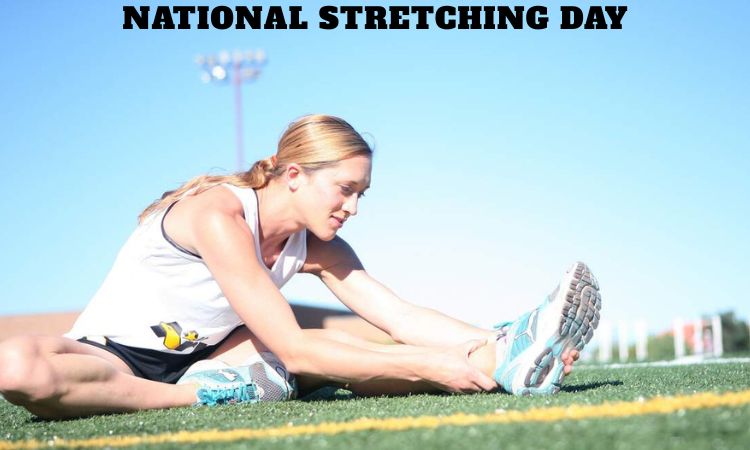
National Stretching Day, celebrated every year on December 11, is a meaningful reminder of the importance of incorporating daily stretching into our lives. In a world where long hours at desks, digital devices, and sedentary lifestyles have become the norm, this special day encourages individuals to pause, breathe, and give their bodies the attention they truly deserve. On this day, we emphasize the timeless benefits of stretching—enhanced flexibility, better posture, increased mobility, improved mental clarity, and overall well-being.
What Is National Stretching Day?
National Stretching Day is a dedicated awareness day focused on promoting the value of stretching for people of all ages. Observed on December 11, it encourages people to integrate stretching routines into their daily lives to prevent injuries, relieve stress, and improve overall health. Whether you are an athlete, a fitness enthusiast, or someone who spends hours sitting at a desk, stretching offers lifelong benefits that can greatly enhance your physical performance and comfort.
This day raises awareness about issues caused by inactivity, muscle stiffness, and poor posture, while also inspiring communities to adopt healthier habits.
The History and Origin of National Stretching Day
While the exact origin of National Stretching Day is not clearly documented, it is widely believed to have been created by wellness and fitness professionals who sought to highlight the importance of regular flexibility training. Over time, research has shown that stretching is essential not only for athletes but also for everyday individuals who want to maintain healthy joints, muscles, and mental balance.
This observance has grown in popularity as workplaces, schools, and fitness centers adopt structured wellness initiatives. Today, National Stretching Day stands as a reminder that simple movements can create long-term health benefits.
Why National Stretching Day Matters in Today’s Lifestyle?
In our modern environment, where sitting for long hours has become increasingly common, people face a higher risk of chronic pain, tight muscles, stress, and reduced flexibility. Stretching helps counter these challenges. On National Stretching Day, we promote mindful movement that supports:
Spinal health
Muscle relaxation
Improved blood circulation
Enhanced mobility and balance
Stress relief and mental focus
Recognizing the need for accessible, daily wellness habits, this day encourages everyone to pay attention to their physical and mental well-being through stretches that require no equipment and minimal time.
Top Benefits of Stretching on National Stretching Day
1. Increased Flexibility and Mobility
Stretching plays a vital role in maintaining and improving flexibility. Over time, ligaments, tendons, and muscles become stiff, especially with inactivity. Regular stretching loosens the body, increases joint mobility, and enhances range of motion. This improved flexibility reduces the risk of injuries and enhances physical performance in daily tasks.
2. Reduced Muscle Tension and Pain Relief
Muscle tightness is a common result of poor posture, stress, and repetitive movements. Stretching helps relax contracted muscles, reduces stiffness, and alleviates body aches. Practices such as hamstring stretches, hip flexor stretches, and lower–back extensions are especially helpful in combating pain caused by prolonged sitting.
3. Improved Circulation
Stretching enhances blood flow by encouraging oxygen and nutrients to reach muscle tissues. Better circulation supports muscle repair, boosts energy levels, and improves overall vitality. This makes stretching an essential component of a balanced wellness routine.
4. Better Posture and Alignment
Many people suffer from rounded shoulders, neck strain, or lower back discomfort due to long hours at work. Stretching the chest, back, and shoulder muscles helps correct posture and restore natural alignment. Consistent stretching reduces chronic tension and realigns the body for better function.
5. Enhanced Mental Clarity and Stress Relief
Stretching is linked to emotional well-being. As the body loosens, the mind relaxes. Deep breathing combined with stretching triggers a calming effect that reduces anxiety and improves concentration. Celebrating National Stretching Day can be an ideal way to reconnect with your body and clear your mind.
Different Types of Stretching to Practice on National Stretching Day
1. Static Stretching
Static stretching involves holding a stretch position for 20–60 seconds. It helps improve flexibility and is ideal after a workout when muscles are warm.
Examples:
Hamstring stretch
Shoulder stretch
Calf stretch
2. Dynamic Stretching
Dynamic stretching includes active movements that warm up the muscles and prepare the body for physical activity. These stretches increase blood flow and improve motion.
Examples:
Leg swings
Arm circles
Hip openers
3. PNF Stretching (Proprioceptive Neuromuscular Facilitation)
PNF stretching combines stretching and contracting muscles to enhance flexibility. It is often done with a partner and is highly effective for increasing the range of motion.
4. Yoga Stretching
Yoga incorporates breathing with deep stretching movements. Poses like the Forward Fold and Child’s Pose help release tension while improving balance and flexibility.
5. Active Stretching
In active stretching, you use the strength of opposing muscles to hold the stretch. This method improves stability and body awareness.
How to Celebrate National Stretching Day on December 11?
1. Start Your Day with a Stretch Routine
Begin the day with a gentle stretching sequence focused on the neck, shoulders, back, and legs. A morning stretch increases circulation and prepares the body for the activities ahead.
2. Join a Group Stretching or Yoga Session
Many wellness centers host group stretching classes on National Stretching Day. Participating in a community event provides motivation and encourages learning new techniques.
3. Encourage Workplace Stretch Breaks
Workplaces can promote health by organizing short stretch breaks throughout the day. This helps reduce stress, increase productivity, and prevent occupational discomfort.
4. Share Tips and Awareness on Social Media
Posting stretching routines using the hashtag #NationalStretchingDay can help spread awareness. Sharing educational content can inspire others to improve their flexibility and health.
5. Create a Personalized Stretch Plan
Different lifestyles require different stretches. Designing a personalized stretch routine that targets physical needs can build lasting wellness habits.
6. Teach Kids the Importance of Stretching
Introducing stretching to children builds lifelong healthy habits. Simple stretches help improve posture, flexibility, and coordination.
Simple Stretch Routine for National Stretching Day
Here is a beginner-friendly routine anyone can follow:
Neck Stretch – 20 seconds each side
Shoulder Roll – 10 rounds
Cat-Cow Stretch – 10 repetitions
Hamstring Stretch – 30 seconds each leg
Hip Flexor Stretch – 30 seconds each side
Seated Forward Bend – 45 seconds
Chest Opener Stretch – 30 seconds
These movements relieve tension and promote relaxation. Practicing them daily leads to long-term benefits.
The Importance of Celebrating National Stretching Day Every Year
National Stretching Day is more than a date on the calendar—it is a reminder to prioritize health, mobility, and self-care. Maintaining flexibility and preventing stiffness is crucial for long-term wellness. By acknowledging this day on December 11, we commit to healthier habits that support both our physical and mental well-being.
Whether you are beginning your wellness journey or looking to enhance your fitness routine, stretching is a simple, effective, and transformative practice.
Final Thoughts on National Stretching Day
Celebrating National Stretching Day on December 11 allows us to reflect on the importance of flexibility, movement, and mindful self-care. By incorporating stretching into daily life, we enhance mobility, reduce stress, improve posture, and invest in a healthier future. This day reminds us that caring for our bodies doesn’t require expensive tools—just time, intention, and regular practice.