

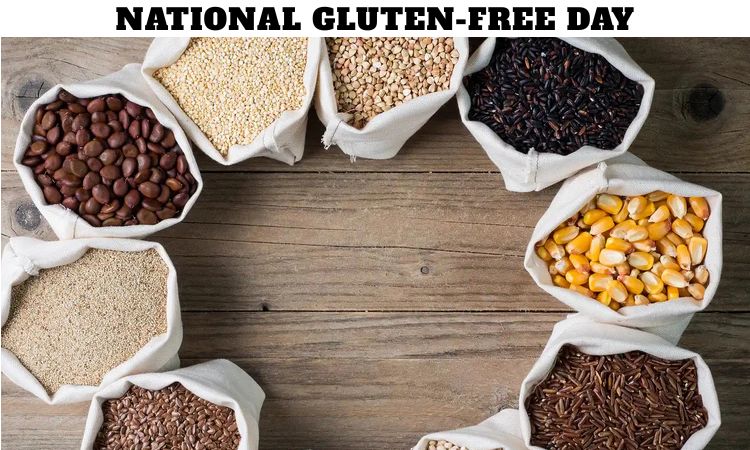
National Gluten-Free Day, observed every year on January 12, is a significant occasion dedicated to increasing awareness about gluten-related disorders and celebrating the growing availability of gluten-free food options. This day recognizes the millions of people worldwide who follow a gluten-free lifestyle due to medical necessity or personal wellness choices. More importantly, it highlights how inclusive eating can improve health, confidence, and quality of life.
National Gluten-Free Day encourages education, understanding, and support for individuals managing celiac disease, gluten sensitivity, or wheat allergies while also acknowledging the innovation within the food industry that has made gluten-free living more accessible than ever before.
Understanding Gluten and Its Role in Food
Gluten is a group of proteins found primarily in wheat, barley, and rye. It acts as a binding agent, giving bread its elasticity and helping baked goods maintain their structure. While gluten is harmless for most people, it can cause serious health issues for others.
Common foods containing gluten include:
Bread and baked goods
Pasta and noodles
Cereals and crackers
Sauces, soups, and processed foods
National Gluten-Free Day provides an opportunity to educate the public about where gluten is commonly found and why avoiding it is essential for certain individuals.
Why National Gluten-Free Day Matters?
The importance of National Gluten-Free Day lies in its focus on awareness and empathy. For individuals with gluten-related conditions, even small amounts of gluten can trigger severe symptoms and long-term complications.
This day matters because it:
Promotes understanding of gluten-related disorders
Encourages safer food labeling and preparation
Supports individuals navigating dietary restrictions
Celebrates the progress of gluten-free food innovation
By recognizing this day, communities foster inclusivity and respect for diverse dietary needs.
Celiac Disease and Gluten Sensitivity
Celiac Disease
Celiac disease is an autoimmune condition in which the ingestion of gluten damages the small intestine. This damage interferes with nutrient absorption and can lead to serious health issues if left untreated.
Common symptoms include:
Digestive discomfort and bloating
Fatigue and anemia
Joint pain and headaches
Skin conditions such as dermatitis herpetiformis
The only effective treatment for celiac disease is a strict, lifelong gluten-free diet.
Non-Celiac Gluten Sensitivity
Some individuals experience symptoms similar to celiac disease without intestinal damage. Gluten sensitivity can cause discomfort, brain fog, and fatigue, making gluten avoidance necessary for improved well-being.
National Gluten-Free Day helps bring visibility to these conditions and reduces stigma surrounding dietary restrictions.
The Rise of the Gluten-Free Lifestyle
In recent years, the gluten-free lifestyle has gained widespread recognition beyond medical necessity. Many individuals choose gluten-free diets as part of a broader wellness approach, focusing on mindful eating and ingredient awareness.
Contributing factors to this rise include:
Increased diagnosis of gluten-related disorders
Greater access to gluten-free products
Improved food labeling regulations
Growing interest in digestive health
National Gluten-Free Day acknowledges both the medical and lifestyle aspects of gluten-free living.
Benefits of a Gluten-Free Diet
For those who require it, a gluten-free diet offers numerous health benefits.
Key benefits include:
Reduced digestive discomfort
Improved energy levels
Enhanced nutrient absorption
Better skin health and mental clarity
It is important to note that a gluten-free diet is most beneficial when balanced with whole, nutrient-dense foods rather than processed substitutes.
Gluten-Free Foods and Natural Alternatives
Many naturally gluten-free foods form the foundation of a healthy and satisfying diet.
Naturally Gluten-Free Foods
Fruits and vegetables
Lean meats, poultry, and fish
Eggs and dairy products
Legumes, nuts, and seeds
Gluten-Free Grains and Starches
Rice and quinoa
Millet and sorghum
Buckwheat and amaranth
Potatoes and corn
National Gluten-Free Day celebrates these wholesome ingredients that make gluten-free eating both diverse and enjoyable.
The Role of Food Labeling and Awareness
Clear food labeling plays a crucial role in gluten-free safety. Many countries now require manufacturers to disclose allergens, including gluten-containing ingredients.
Key labeling terms include:
Certified Gluten-Free
No Gluten Ingredients
May Contain Wheat
National Gluten-Free Day emphasizes the importance of informed choices and encourages continued improvements in transparency and consumer education.
Dining Out While Gluten-Free
Eating out can be challenging for individuals who must avoid gluten. Cross-contamination and unclear ingredient information are common concerns.
Helpful strategies include:
Researching gluten-free-friendly restaurants
Communicating dietary needs clearly to staff
Choosing simple, whole-food-based dishes
Avoiding shared fryers or preparation surfaces
As awareness grows, more restaurants are adapting menus to accommodate gluten-free diners, making social dining experiences safer and more enjoyable.
How to Celebrate National Gluten-Free Day
There are many meaningful ways to observe National Gluten-Free Day.
Try a Gluten-Free Recipe
Prepare a gluten-free meal or dessert at home using fresh, natural ingredients.
Support Gluten-Free Brands
Explore products from companies committed to safe and high-quality gluten-free foods.
Educate and Advocate
Share information about gluten-related disorders to help others understand the importance of dietary accommodations.
Show Support
If you know someone who follows a gluten-free diet, show appreciation by offering safe food options or learning about their needs.
Gluten-Free Living in Modern Society
Gluten-free living has become increasingly integrated into modern food culture. From grocery stores to restaurants, gluten-free options are more visible and accessible than ever before.
Food innovation continues to improve taste, texture, and nutritional quality, allowing individuals to enjoy familiar foods without compromising health. National Gluten-Free Day recognizes this progress while encouraging ongoing advancements.
Challenges of a Gluten-Free Lifestyle
Despite increased awareness, gluten-free living still presents challenges.
Common obstacles include:
Higher cost of gluten-free products
Limited availability in certain regions
Risk of cross-contamination
Social misunderstandings
National Gluten-Free Day provides an opportunity to address these challenges and advocate for greater accessibility and understanding.
Conclusion: Embracing Awareness and Inclusion
National Gluten-Free Day is a day of awareness, empathy, and celebration. It honors individuals who rely on gluten-free diets for their health while recognizing the growing movement toward inclusive eating practices.