

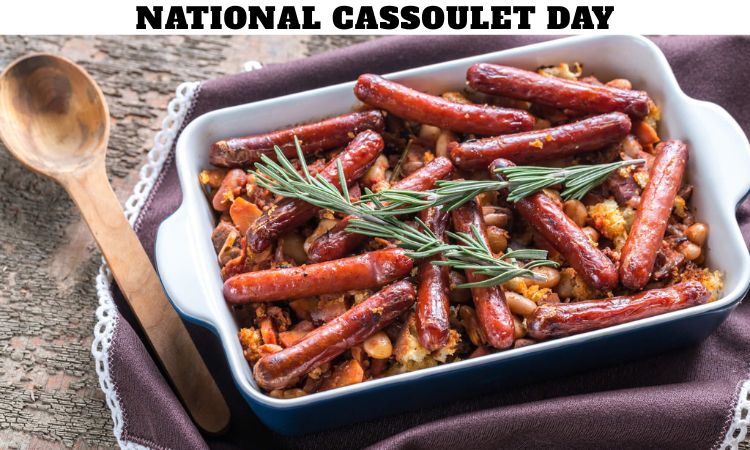
National Cassoulet Day, celebrated every year on January 9, is a tribute to one of France’s most iconic comfort foods—cassoulet. Rich, slow-cooked, and deeply satisfying, cassoulet represents warmth, tradition, and culinary heritage. This hearty bean-and-meat stew has traveled far beyond its southern French origins to become a symbol of rustic cooking and communal dining across the world. On this day, food lovers celebrate not just a dish, but a centuries-old story of patience, passion, and flavor.
What Is Cassoulet?
Cassoulet is a slow-braised stew traditionally made with white beans, duck confit, pork, and sometimes lamb or sausage, all gently cooked together until the flavors meld into a rich, savory masterpiece. The dish gets its name from the “cassole,” a deep, round earthenware pot in which it is traditionally prepared.
Unlike many modern recipes that aim for speed, cassoulet is intentionally slow. It is a dish that rewards patience, allowing time for the beans to absorb the fats and aromatics, creating a creamy texture and deep flavor profile.
The Origins of Cassoulet
Cassoulet originates from southwestern France, particularly the Languedoc region. Its history dates back to the Middle Ages, when beans were introduced to Europe from the Americas in the 16th century. Over time, local cooks combined beans with available meats to create a filling and nourishing meal.
Legend has it that cassoulet was first made in the town of Castelnaudary during the Hundred Years’ War, when residents pooled their remaining food supplies to sustain soldiers and townspeople. While the historical accuracy of this tale is debated, it highlights cassoulet’s reputation as a dish born from resilience and community.
Regional Variations of Cassoulet
One of the most fascinating aspects of cassoulet is that there is no single “correct” recipe. Instead, several regional versions exist, each fiercely defended by locals.
1. Castelnaudary Cassoulet
Often considered the “original,” this version typically includes:
White beans
Duck confit
Pork rind, shoulder, or sausage
It is hearty, rustic, and focused on pork and duck rather than lamb.
2. Toulouse Cassoulet
This variation is known for:
Toulouse sausage
Duck or goose
A tomato-enhanced broth
It tends to be richer and slightly more aromatic.
3. Carcassonne Cassoulet
This version may include:
Lamb or mutton
Sometimes partridge in winter
It reflects the agricultural diversity of the region.
Each version shares the same soul—beans, slow cooking, and depth of flavor—but reflects local ingredients and traditions.
Why Cassoulet Is Perfect for January?
January is the heart of winter in many parts of the world, making National Cassoulet Day perfectly timed. Cassoulet is:
Warming and filling
High in protein and energy
Ideal for cold evenings and family gatherings
Its rich, slow-cooked nature makes it a natural comfort food, perfect after the holiday season when people crave nourishing, home-style meals.
Cultural Significance of Cassoulet
Cassoulet is more than food—it is a cultural symbol in France. It represents:
Slow food traditions
Respect for ingredients
Regional pride
In many French households, cassoulet is reserved for weekends or special occasions due to the time and care required to prepare it. It is often enjoyed with family and friends, reinforcing its role as a communal dish.
French writer Anatole France once said that cassoulet is “the God of French cuisine,” highlighting its revered status.
How Cassoulet Is Traditionally Prepared?
Traditional cassoulet preparation can take two to three days, though modern adaptations shorten the process. The classic method includes:
Soaking the beans overnight
Slow-cooking meats separately
Layering beans and meats in a casserole
Baking gently for hours, breaking and reforming the crust multiple times
The crust that forms on top is considered sacred—it is broken and pushed back into the stew several times to enrich the texture.
Modern Takes on Cassoulet
While traditionalists insist on classic methods, modern cooks have adapted cassoulet to suit contemporary lifestyles.
Popular modern variations include:
Vegetarian cassoulet with mushrooms and root vegetables
Quick cassoulet using pressure cookers or slow cookers
Seafood cassoulet with white fish or shellfish
These adaptations maintain the spirit of the dish while making it more accessible to a wider audience.
Cassoulet and Wine Pairing
Cassoulet pairs beautifully with robust red wines that can stand up to its richness. Popular pairings include:
French Cahors
Minervois
Madiran
Full-bodied Syrah or Grenache
The tannins and acidity help balance the fats and enhance the overall dining experience.
How to Celebrate National Cassoulet Day?
Celebrating National Cassoulet Day on January 9 can be both delicious and meaningful. Here are some ideas:
1. Cook Cassoulet at Home
Dedicate the day to preparing a traditional or modern cassoulet. Invite family or friends to share the experience.
2. Visit a French Restaurant
Many French bistros feature cassoulet as a seasonal specialty during winter.
3. Learn About French Cuisine
Use the day to explore French culinary history, regional dishes, and slow-food traditions.
4. Share on Social Media
Post photos or stories using hashtags like #NationalCassouletDay or #CassouletLove to join the global celebration.
Nutritional Value of Cassoulet
While cassoulet is indulgent, it also offers nutritional benefits:
High protein from beans and meats
Fiber-rich white beans support digestion
Minerals such as iron, magnesium, and potassium
Portion control is key, but enjoyed in moderation, cassoulet can be part of a balanced diet.
Cassoulet Around the World
Cassoulet’s popularity has spread far beyond France. Today, you can find versions of the dish in:
The United States
Canada
Australia
Parts of Europe and Asia
Chefs around the world reinterpret cassoulet using local ingredients while honoring its comforting essence.
Fun Facts About Cassoulet
Some chefs insist that cassoulet must be cooked seven times to be authentic.
The debate over the “true” cassoulet recipe is often called the “Cassoulet War.”
Traditional cassoulet can contain over 1,000 calories per serving, making it a true winter dish.
Castelnaudary hosts an annual cassoulet festival celebrating the dish.
Why Cassoulet Still Matters Today
In a fast-paced world dominated by quick meals, cassoulet reminds us of:
The value of slow cooking
The joy of shared meals
The importance of culinary heritage
National Cassoulet Day is not just about indulgence—it’s about reconnecting with food traditions that emphasize care, time, and togetherness.
Conclusion
National Cassoulet Day on January 9 is a celebration of one of the most beloved comfort foods in the world. Rooted in French history and cherished for its deep, hearty flavors, cassoulet embodies the essence of slow cooking and communal dining. Whether you enjoy a traditional recipe or a modern variation, this day invites you to slow down, savor every bite, and appreciate the cultural richness behind this iconic dish.