

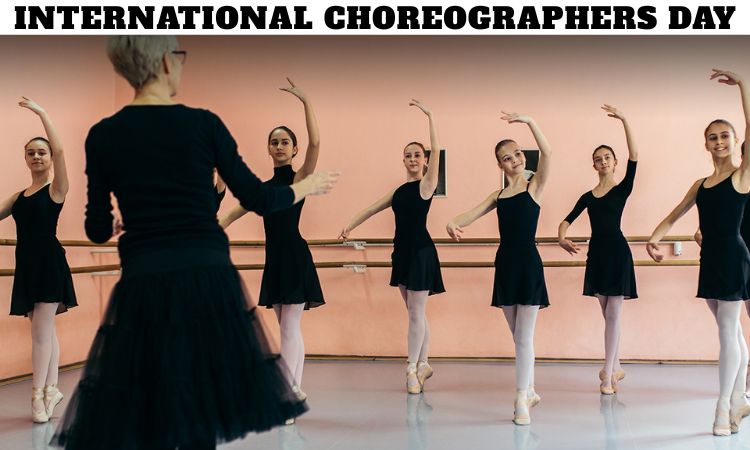
International Choreographers Day, celebrated annually on January 9, is a global tribute to the creative minds who shape movement into meaningful expression. Choreographers are the silent architects behind dance performances, responsible for transforming music, emotion, and storytelling into structured motion. This special day recognizes their artistic vision, discipline, and cultural influence across classical, contemporary, cinematic, and experimental dance forms.
We celebrate International Choreographers Day to acknowledge the profound impact choreographers have on performing arts, popular culture, and society. Their work transcends borders, languages, and traditions, uniting people through the universal language of movement.
The Role of a Choreographer in Performing Arts
A choreographer is far more than a dance instructor. They are creators, directors, and storytellers who conceptualize movement to communicate emotion, narrative, and rhythm. Every step, gesture, and formation is carefully designed to align with music, theme, and performance space.
Choreographers work across diverse platforms, including:
Stage productions
Ballet and contemporary dance
Films and television
Music videos
Theatre and opera
Cultural and folk performances
Their role requires deep musical understanding, anatomical knowledge, creativity, leadership, and the ability to collaborate with dancers, composers, directors, and designers.
Why January 9 Is Significant?
National Choreographers Day is observed on January 9 to honor the art of choreography and its evolution over centuries. This date serves as a moment of reflection on how choreographers have shaped artistic movements, challenged conventions, and influenced social change through dance.
The day highlights the importance of behind-the-scenes creators whose names may not always be in the spotlight, yet whose vision defines every successful dance performance.
Historical Evolution of Choreography
The history of choreography dates back to ancient civilizations where dance played a vital role in rituals, storytelling, and celebrations. Over time, choreography evolved into a formal discipline, particularly during the Renaissance when court dances became structured and documented.
Key milestones in choreography include:
Classical ballet, with codified movements and techniques
Modern dance, emphasizing freedom and emotional expression
Contemporary dance, blending styles and pushing creative boundaries
Cinematic choreography, integrating dance with visual storytelling
Each era introduced choreographers who redefined movement and expanded artistic possibilities.
Choreographers as Cultural Influencers
Choreographers are powerful cultural influencers. Through movement, they reflect social values, political themes, and emotional realities. Dance has often been used as a medium to address identity, freedom, struggle, and unity.
In many cultures, traditional choreography preserves heritage and history, passing stories from one generation to the next. In modern contexts, choreographers shape trends in fashion, fitness, and popular music, influencing how societies move, dress, and express themselves.
Choreography in Film, Music, and Popular Culture
The influence of choreography extends far beyond the stage. In cinema and music, choreography plays a defining role in shaping iconic moments. From classical musical films to contemporary pop performances, choreographers bring rhythm and visual impact to storytelling.
Music videos, live concerts, and award shows rely heavily on choreography to captivate audiences. Viral dance trends on digital platforms further demonstrate how choreographers shape global pop culture, often reaching millions within hours.
The Creative Process of a Choreographer
The choreographic process is a complex blend of imagination and discipline. It often begins with conceptualization—understanding the music, theme, or narrative. This is followed by experimentation, refinement, and collaboration.
Key elements of choreography include:
Musical interpretation
Spatial design
Timing and rhythm
Emotional expression
Group formations and transitions
Choreographers must also adapt their vision to different dancers’ abilities, performance spaces, and audience expectations.
International Choreographers Day and Dance Education
National Choreographers Day emphasizes the importance of dance education and mentorship. Many choreographers dedicate their lives to teaching, nurturing talent, and shaping future generations of dancers.
Dance education builds:
Physical discipline and coordination
Emotional intelligence and confidence
Creativity and self-expression
Cultural awareness
By recognizing choreographers, this day highlights their role as educators and mentors who inspire lifelong appreciation for the arts.
Celebrating Diversity in Choreography
One of the most powerful aspects of choreography is its diversity. From classical ballet and flamenco to hip-hop, jazz, Bharatanatyam, contemporary, and street dance, choreography reflects the richness of global cultures.
International Choreographers Day celebrates this diversity, honoring artists who preserve traditional forms as well as those who innovate and fuse styles. This inclusivity strengthens the global dance community and fosters cross-cultural understanding.
Challenges Faced by Choreographers
Despite their impact, choreographers often face challenges such as limited recognition, financial instability, and intense physical demands. Creating original work requires time, resources, and emotional investment, often without guaranteed success.
International Choreographers Day brings visibility to these challenges and encourages greater appreciation, support, and fair opportunities for choreographers worldwide.
How is International Choreographers Day Celebrated?
Around the world, International Choreographers Day is marked through:
Dance workshops and masterclasses
Live and virtual performances
Panel discussions and interviews
Social media tributes
Educational programs and showcases
These celebrations create platforms for choreographers to share their journeys, ideas, and creative processes with wider audiences.
The Global Impact of Choreography
Choreography has the power to unite people across languages and borders. A powerful dance performance can evoke emotion without words, making choreography a universal form of communication.
International festivals, cultural exchanges, and collaborative projects highlight how choreographers contribute to global artistic dialogue and mutual understanding.
Inspiring the Future of Dance
National Choreographers Day serves as inspiration for aspiring dancers and creators. It encourages young artists to explore choreography as a career and a form of self-expression.
By honoring established choreographers and emerging talents alike, the day reinforces the idea that innovation in movement continues to shape the future of performing arts.
Conclusion
International Choreographers Day – January 9 is a meaningful celebration of the visionaries who transform movement into art. Choreographers give structure to emotion, rhythm to storytelling, and identity to performance. Their influence spans generations, cultures, and creative industries.