

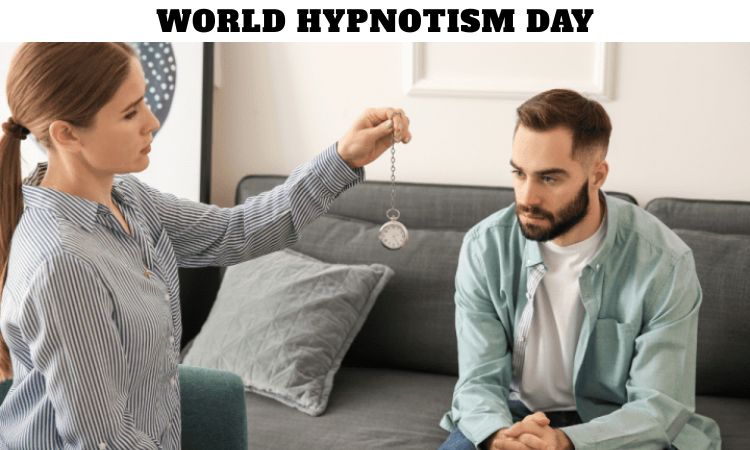
World Hypnotism Day, observed every year on January 4, is a global celebration dedicated to raising awareness about hypnosis, its benefits, scientific foundations, and its positive impact on mental, emotional, and physical well-being. This day highlights the power of the subconscious mind and encourages people worldwide to understand hypnosis as a legitimate, therapeutic, and transformative practice rather than a mystical illusion.
Recognized by professionals, therapists, educators, and wellness advocates, World Hypnotism Day serves as a platform to educate the public, remove misconceptions, and promote ethical hypnotherapy practices. It is a day devoted to knowledge, mindfulness, healing, and self-improvement through the power of focused awareness.
The Origin and Significance of World Hypnotism Day
World Hypnotism Day was established in 2006 by hypnotists and mental health professionals aiming to eliminate fear and misinformation surrounding hypnosis. The chosen date, January 4, symbolizes clarity, awareness, and mental awakening at the start of a new year.
Over time, the observance has gained international recognition. It now serves as an annual opportunity to spotlight how hypnosis contributes to personal development, emotional healing, pain management, behavioral change, and mental health improvement.
This day also honors professionals who dedicate their lives to helping individuals unlock their inner potential using scientifically backed hypnotic techniques.
Understanding Hypnosis: Science, Not Myth
Hypnosis is a state of focused attention and heightened suggestibility, where the mind becomes more open to positive guidance. Contrary to popular belief, hypnosis does not involve loss of control or unconsciousness. Individuals remain fully aware and in control of their actions throughout the process.
Modern neuroscience supports hypnosis as a legitimate psychological tool. Studies using brain imaging technology show altered neural activity during hypnotic states, particularly in areas responsible for perception, attention, and self-awareness.
On World Hypnotism Day, professionals emphasize that hypnosis is not magic—it is a natural mental state that people experience daily, such as when deeply absorbed in a book or lost in thought.
The Role of Hypnotherapy in Modern Wellness
Hypnotherapy is widely used across multiple disciplines, including psychology, medicine, and personal development. On World Hypnotism Day, awareness is raised about its benefits in areas such as:
Stress and anxiety management
Overcoming phobias and fears
Breaking unhealthy habits
Improving sleep quality
Boosting confidence and motivation
Pain management and trauma recovery
Many licensed therapists integrate hypnosis into cognitive-behavioral therapy (CBT), mindfulness practices, and holistic wellness programs.
How Hypnosis Impacts the Subconscious Mind?
The subconscious mind governs habits, emotions, beliefs, and automatic behaviors. During hypnosis, the conscious mind relaxes, allowing direct communication with subconscious patterns that shape daily life.
This is why World Hypnotism Day emphasizes education—helping individuals understand how reprogramming limiting beliefs can lead to long-lasting personal growth. Hypnosis helps replace negative thought patterns with empowering ones, creating sustainable transformation.
Scientific Recognition of Hypnosis
Major medical organizations, including the American Psychological Association and the British Medical Association, recognize hypnosis as a valid therapeutic approach. Clinical studies confirm its effectiveness in reducing pain, alleviating anxiety, and supporting behavioral change.
On World Hypnotism Day, practitioners share research findings, host seminars, and conduct workshops to showcase hypnosis as an evidence-based practice rooted in science rather than superstition.
Common Myths About Hypnosis Debunked
World Hypnotism Day plays a vital role in dispelling myths, such as:
Myth: Hypnosis causes loss of control
Truth: Individuals remain fully aware and can exit hypnosis anytime.Myth: Only weak-minded people can be hypnotized
Truth: Hypnosis requires focus and imagination, often stronger in intelligent individuals.Myth: Hypnotists control your mind
Truth: Ethical hypnosis empowers individuals; control always remains with the participant.
By addressing misconceptions, the day promotes informed understanding and acceptance.
Hypnosis in Everyday Life
Hypnosis is more integrated into daily life than most people realize. Activities such as meditation, visualization, deep focus, and even daydreaming reflect hypnotic states.
On World Hypnotism Day, people are encouraged to explore self-hypnosis techniques that promote relaxation, confidence, and emotional balance. These practices are increasingly popular among professionals, athletes, and creatives seeking peak performance.
Global Celebrations and Awareness Activities
Across the world, World Hypnotism Day is marked through:
Educational webinars and workshops
Public hypnosis demonstrations
Online awareness campaigns
Wellness retreats and seminars
Social media discussions led by experts
These initiatives aim to educate, inspire, and empower individuals to explore the benefits of hypnosis responsibly.
The Role of Hypnosis in Mental Health Awareness
Mental health awareness is a growing global priority, and World Hypnotism Day plays a supportive role in this movement. Hypnosis complements traditional mental health treatments by addressing emotional blocks, stress triggers, and subconscious fears.
When practiced ethically and professionally, hypnosis can enhance emotional resilience, improve focus, and support long-term psychological well-being.
Why World Hypnotism Day Matters Today?
In a fast-paced world filled with stress and digital overload, mental clarity and emotional balance are more important than ever. World Hypnotism Day encourages individuals to pause, reflect, and reconnect with their inner selves.
This observance promotes mindfulness, self-awareness, and intentional living—values essential for personal and professional success.
How to Celebrate World Hypnotism Day?
Participating in World Hypnotism Day can be simple yet impactful:
Attend an online hypnosis workshop
Practice guided meditation or self-hypnosis
Learn about the science behind hypnosis
Share educational resources with others
Reflect on personal goals and mental wellness
Celebration does not require expertise—only curiosity and openness to self-discovery.
The Future of Hypnosis
As science continues to explore the human mind, hypnosis is gaining wider acceptance across healthcare, education, and personal development sectors. The future holds promising advancements, including digital hypnotherapy tools, virtual sessions, and integrative wellness programs.
World Hypnotism Day stands as a reminder of humanity’s potential to harness inner strength through awareness, intention, and conscious thought.
Conclusion: Embracing the Power of World Hypnotism Day
World Hypnotism Day – January 4 is more than a date on the calendar. It is a celebration of the human mind’s extraordinary capabilities. By embracing hypnosis as a positive, empowering practice, individuals can unlock deeper levels of self-awareness, healing, and transformation.