
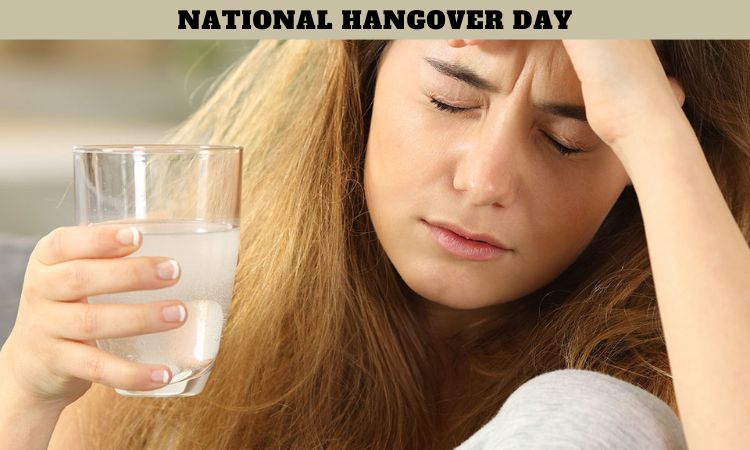
National Hangover Day, observed every year on January 1, is one of the most relatable and humor-filled unofficial holidays in the world. Falling right after New Year’s Eve celebrations, this day acknowledges the physical and emotional aftermath of ringing in the New Year—late nights, parties, celebrations, and perhaps one too many drinks. While it may not be an official holiday, National Hangover Day has become a cultural phenomenon that many people recognize and relate to.
From social media memes to brunch plans and recovery rituals, National Hangover Day reflects a universal human experience: waking up on January 1 feeling tired, dehydrated, and vowing to “never drink again” (at least until the next celebration).
What Is National Hangover Day?
National Hangover Day is observed on January 1, the day after New Year’s Eve. It humorously acknowledges the physical consequences of celebration, especially those involving alcohol, lack of sleep, and overindulgence.
While the day is not officially recognized by governments, it has gained popularity through pop culture, social media, and shared human experience. For many, it’s a day of rest, reflection, recovery, and sometimes regret.
Rather than promoting unhealthy behavior, National Hangover Day serves as a lighthearted reminder to take care of oneself and begin the new year with mindfulness and balance.
Why January 1 Is Known as National Hangover Day?
New Year’s Eve is one of the most celebrated nights worldwide. Fireworks, parties, countdowns, and gatherings often involve alcohol, rich food, and late-night festivities. As a result, January 1 often becomes a day of recovery for millions of people.
National Hangover Day humorously acknowledges:
Headaches and fatigue
Dehydration
Sensitivity to light and noise
Regret over late-night decisions
The struggle to start New Year’s resolutions
It’s a shared experience that connects people across cultures and age groups.
The Science Behind a Hangover
Understanding the science behind hangovers adds an educational element to National Hangover Day. A hangover is caused by several factors, including:
1. Dehydration
Alcohol is a diuretic, meaning it causes the body to lose fluids. Dehydration leads to headaches, dry mouth, and dizziness.
2. Inflammation
Alcohol increases inflammation in the body, contributing to fatigue and discomfort.
3. Toxins
Alcohol breaks down into acetaldehyde, a toxic compound that causes nausea and headaches.
4. Sleep Disruption
While alcohol may help you fall asleep, it disrupts sleep quality, leading to fatigue and irritability.
Understanding these effects helps people make healthier choices and recover more effectively.
How People Celebrate National Hangover Day?
Despite the discomfort, many people celebrate National Hangover Day in fun and lighthearted ways. The focus is on recovery, relaxation, and humor.
1. Comfort Food and Brunch
One of the most popular traditions is indulging in comfort foods such as:
Eggs and toast
Pancakes or waffles
Soups and broths
Greasy breakfasts
Brunch outings on January 1 are especially popular, combining socializing with recovery.
2. Hydration and Self-Care
People often focus on rehydrating with water, electrolyte drinks, herbal teas, and smoothies. Spa days, naps, and relaxation are common activities.
3. Humor and Social Media
Social media platforms fill with memes, jokes, and relatable content about National Hangover Day. Humor helps normalize the experience and brings people together.
National Hangover Day and New Year’s Resolutions
Interestingly, National Hangover Day often coincides with the beginning of New Year’s resolutions. Many people wake up feeling motivated to:
Drink less
Eat healthier
Exercise regularly
Improve sleep habits
The contrast between celebration and recovery serves as a reminder of balance and self-care.
Cultural Views on Hangovers Around the World
Different cultures have unique ways of dealing with hangovers, and National Hangover Day reflects this diversity.
United States
Popular remedies include greasy breakfasts, sports drinks, and pain relievers.
United Kingdom
A traditional “full English breakfast” is a common hangover cure.
Japan
Miso soup and hydration are popular recovery choices.
Mexico
Spicy soups like menudo are believed to help with hangover symptoms.
These traditions show how food and culture play a role in recovery rituals worldwide.
The Role of Humor in National Hangover Day
One of the most important aspects of National Hangover Day is humor. Laughing at oneself helps reduce stress and creates a sense of connection.
Memes, jokes, and lighthearted conversations make the day more enjoyable. Humor also helps remove shame or embarrassment associated with overindulgence, encouraging a healthier mindset.
National Hangover Day and Responsible Drinking
While National Hangover Day is fun, it also encourages awareness about responsible drinking. Many people use this day as a reminder to make safer choices in the future.
Responsible habits include:
Drinking in moderation
Staying hydrated
Eating before drinking
Avoiding driving under the influence
The day can serve as an educational moment rather than just a joke.
Health Tips for Recovering on National Hangover Day
If you’re celebrating National Hangover Day, here are some recovery tips:
Hydrate Frequently – Water and electrolytes are essential.
Eat Light but Nourishing Foods – Soups, fruits, and whole grains help recovery.
Rest and Sleep – Your body needs time to heal.
Avoid More Alcohol – “Hair of the dog” can worsen dehydration.
Get Fresh Air – Light movement can boost circulation and mood.
These steps help the body reset and prepare for the year ahead.
National Hangover Day in Popular Culture
Over time, National Hangover Day has become a popular topic in entertainment and media. Movies, TV shows, and online content often reference the universal experience of post-party recovery.
This cultural visibility has helped normalize conversations around alcohol consumption and wellness, making the day both humorous and meaningful.
The Psychological Side of National Hangover Day
Beyond physical symptoms, National Hangover Day can also involve emotional reflection. Many people use the day to think about the past year and set intentions for the future.
Feelings of nostalgia, motivation, or even anxiety are common. Practicing self-compassion and mindfulness can help turn the day into a positive reset.
Why National Hangover Day Resonates with So Many People?
The popularity of National Hangover Day lies in its relatability. Almost everyone has experienced a morning after a big celebration. It humanizes the idea of imperfection and reminds us that it’s okay to slow down.
It also marks a transition—from celebration to intention, from indulgence to balance.
National Hangover Day and Wellness Culture
In recent years, wellness culture has influenced how people approach National Hangover Day. Instead of excess, many focus on recovery rituals such as:
Yoga or gentle stretching
Meditation
Healthy meals
Mental health check-ins
This shift reflects a broader cultural movement toward self-care and mindful living.
How to Celebrate National Hangover Day Responsibly?
You don’t need to feel terrible to acknowledge the day. Some people celebrate by:
Enjoying a calm morning
Watching movies or reading
Spending time with loved ones
Reflecting on goals for the year
The key is to honor your body and mind while embracing the humor of the occasion.
The Deeper Meaning Behind National Hangover Day
At its core, National Hangover Day is about balance. It reminds us that celebration and responsibility can coexist. It’s okay to enjoy life’s moments while also taking care of ourselves afterward.
The day encourages self-awareness, compassion, and a fresh start—qualities that align perfectly with the spirit of the New Year.
Conclusion
National Hangover Day, observed on January 1, is more than just a humorous acknowledgment of post-celebration fatigue. It reflects shared human experiences, cultural traditions, and the universal need for rest and renewal.