

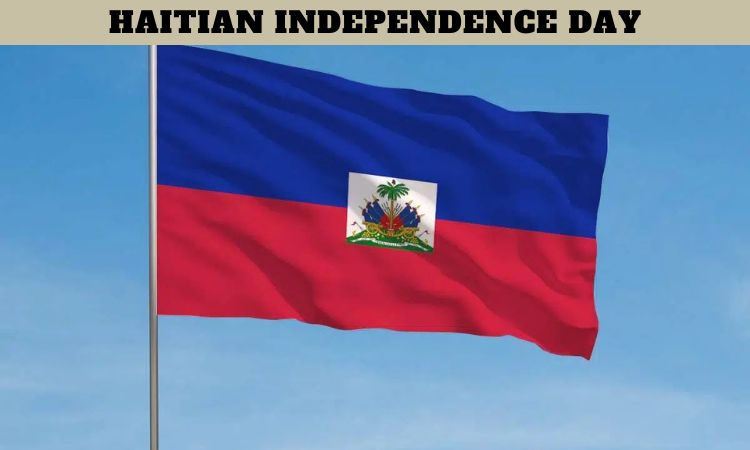
Haitian Independence Day, celebrated every year on January 1, stands as one of the most powerful and inspiring national holidays in world history. It marks the day in 1804 when Haiti became the first independent Black republic and the first nation to abolish slavery permanently after a successful revolution led by formerly enslaved people. This historic achievement reshaped global conversations about freedom, equality, and human rights.
More than just a national holiday, Haitian Independence Day symbolizes resilience, resistance, and the unbreakable spirit of a people who refused to accept oppression. Today, Haitians across the world commemorate this day with pride, cultural traditions, historical remembrance, and unity.
The Historical Significance of Haitian Independence Day
Haiti’s journey to independence began during the late 18th century when it was known as Saint-Domingue, a French colony and one of the wealthiest in the Caribbean due to its sugar and coffee plantations. However, this wealth was built on the brutal exploitation of enslaved Africans.
Inspired by the French Revolution and its ideals of liberty and equality, enslaved people in Saint-Domingue launched a massive uprising in 1791. What followed was one of the most remarkable revolutions in history—a 13-year struggle against European colonial powers, including France, Spain, and Britain.
The revolution was led by legendary figures such as Toussaint Louverture, Jean-Jacques Dessalines, Henri Christophe, and Alexandre Pétion. Their leadership and strategic brilliance ultimately defeated Napoleon Bonaparte’s forces, making Haiti the first nation born from a successful slave revolt.
On January 1, 1804, Jean-Jacques Dessalines officially declared Haiti an independent nation, giving birth to Haitian Independence Day.
Why Haitian Independence Day Matters Globally?
Haitian Independence Day is not only important to Haiti but also to the entire world. It represents a monumental victory for human dignity and justice. Haiti’s independence sent a powerful message that enslaved people could overthrow even the most powerful empires.
This achievement inspired freedom movements across Latin America, the Caribbean, and beyond. Haiti later supported liberation efforts in other nations, including aiding Simón Bolívar in his fight for South American independence.
Despite facing economic sanctions, diplomatic isolation, and political pressure for decades, Haiti’s independence remains a symbol of courage and self-determination.
How Haitian Independence Day Is Celebrated
Every year on January 1, Haitians celebrate with deep pride and cultural richness. The day is filled with national ceremonies, family gatherings, music, food, and storytelling.
1. Traditional Soup Joumou
One of the most meaningful traditions is the preparation and sharing of Soup Joumou, a pumpkin-based soup that was once forbidden to enslaved Africans. On Independence Day, Haitians eat this soup as a symbol of freedom and equality. Families gather early in the morning to prepare and share it with neighbors and friends.
2. National Ceremonies
Official celebrations often include:
Flag-raising ceremonies
Speeches by political leaders
Military parades
Cultural performances
These events honor the heroes of the revolution and reinforce national pride.
3. Music and Dance
Music is central to Haitian culture. Traditional rhythms like Rara, Kompa, and Rasin fill the streets. Dance performances tell stories of resistance, heritage, and unity.
4. Community Gatherings
Haitian Independence Day is also about togetherness. Families reunite, elders share stories of the past, and communities celebrate their shared identity.
Haitian Independence Day in the Diaspora
Haitians living abroad celebrate Haitian Independence Day with equal passion. From the United States and Canada to France and the Caribbean, diaspora communities host cultural events, parades, and educational programs.
These celebrations help preserve Haitian heritage and introduce the world to Haiti’s rich history and cultural contributions. Schools, churches, and community centers often organize events to teach younger generations about the sacrifices made for freedom.
The Role of Education and Awareness
Haitian Independence Day is also a time for reflection and education. Schools and universities around the world recognize the importance of Haiti’s role in global history.
Educational discussions often focus on:
The impact of colonialism
The fight against slavery
The resilience of the Haitian people
Haiti’s influence on global freedom movements
By understanding this history, people gain a deeper appreciation for the struggles and triumphs that shaped modern society.
Challenges After Independence
While Haitian Independence Day marks a monumental victory, Haiti’s post-independence journey has not been easy. Following independence, Haiti faced economic isolation, foreign intervention, and internal political struggles.
In 1825, France demanded a massive indemnity as compensation for lost property and enslaved people—an unjust burden that severely impacted Haiti’s economic development for over a century. Despite these hardships, Haiti has continued to endure with strength and resilience.
Haitian Independence Day and National Identity
Haitian Independence Day is deeply connected to the nation’s identity. It represents:
Freedom from oppression
Cultural pride
Resistance against injustice
Unity among people
For Haitians, this day is a reminder that their ancestors fought against impossible odds to secure liberty for future generations.
Cultural Symbols Associated with Haitian Independence
Several symbols are closely associated with Haitian Independence Day:
The Haitian Flag – Representing unity between Black and mixed-race citizens
The Coat of Arms – Featuring a palm tree, cannons, and the motto “L’Union Fait La Force” (Unity Makes Strength)
Traditional Clothing – Often worn during celebrations
Drumming and Dance – Symbolizing ancestral strength and cultural continuity
These symbols reinforce national pride and historical awareness.
Haitian Independence Day and Modern Haiti
In modern times, Haitian Independence Day also serves as a moment for reflection on the nation’s future. Citizens reflect on social progress, economic challenges, and opportunities for development.
Many organizations use this day to promote:
Education initiatives
Youth empowerment
Cultural preservation
Social unity
The day encourages Haitians to honor their past while working toward a stronger future.
Global Recognition of Haitian Independence Day
While January 1 is globally known as New Year’s Day, it also holds deep significance as Haitian Independence Day. International organizations, universities, and cultural institutions increasingly recognize its importance.
By learning about Haitian Independence Day, people around the world gain a better understanding of global history and the long struggle for equality and freedom.
Lessons from Haitian Independence Day
The story of Haiti teaches timeless lessons:
Freedom is worth fighting for
Unity can overcome oppression
Courage can change the course of history
Identity and culture are powerful forces
These lessons continue to inspire movements for justice and human rights worldwide.
Why Haitian Independence Day Deserves Global Recognition?
Haitian Independence Day deserves greater global recognition because it marks a turning point in world history. It challenged colonial domination and reshaped ideas about race, freedom, and self-governance.
Acknowledging this day helps honor those who sacrificed everything for liberty and reminds the world of the enduring power of hope.
Conclusion
Haitian Independence Day, celebrated on January 1, is far more than a national holiday—it is a powerful reminder of humanity’s capacity for courage, resilience, and transformation. From the historic revolution of 1804 to modern-day celebrations across the globe, this day symbolizes the triumph of freedom over oppression.