

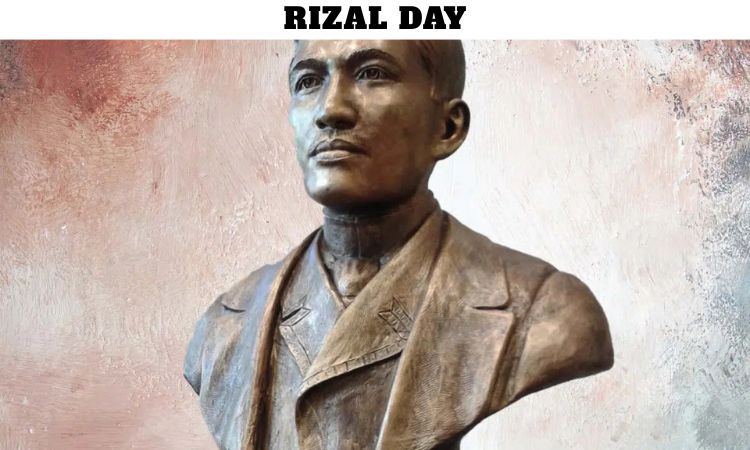
Rizal Day, observed annually on December 30, is one of the most significant national commemorations in the Philippines. It honors the life, works, and sacrifices of Dr. José Rizal, a national hero whose intellect, courage, and unwavering love for his country helped ignite the Filipino struggle for independence from Spanish colonial rule. This day is not just a remembrance of his execution in 1896 but also a celebration of his enduring ideals—freedom, education, nationalism, and peaceful reform.
Rizal Day serves as a powerful reminder of how one individual’s words, actions, and principles can shape the destiny of an entire nation. As Filipinos across the world reflect on his legacy, this day becomes a time of unity, pride, and renewed commitment to the values he stood for.
Who Was Dr. José Rizal?
Dr. José Protacio Rizal Mercado y Alonso Realonda was born on June 19, 1861, in Calamba, Laguna, Philippines. A polymath by nature, Rizal was a physician, novelist, poet, essayist, linguist, and political reformist. His intelligence and dedication to learning were evident from a young age, and he eventually studied in the Philippines, Spain, France, and Germany.
Rizal’s education and exposure to liberal ideas abroad shaped his vision for a free and progressive Philippines. Rather than advocating violent revolution, he believed in reform through education, civic responsibility, and peaceful resistance. His writings awakened Filipino nationalism and inspired resistance against Spanish oppression.
Why Rizal Day Is Celebrated on December 30
Rizal Day marks the anniversary of Dr. José Rizal’s execution by firing squad on December 30, 1896, at Bagumbayan (now Luneta Park or Rizal Park) in Manila. His execution came after he was falsely accused of rebellion, sedition, and conspiracy against the Spanish colonial government.
Though he did not actively participate in the armed revolution, Spanish authorities viewed him as a threat because his writings had inspired Filipinos to demand freedom and equality. His death became a catalyst for the Philippine Revolution and strengthened the people’s resolve to fight for independence.
December 30 was later declared a national holiday to honor his heroism and lasting influence on Philippine society.
The Literary Legacy of José Rizal
One of the most enduring aspects of Rizal’s legacy lies in his literary works, particularly his novels:
1. Noli Me Tangere (1887)
This novel exposed the injustices, corruption, and abuses of Spanish friars and officials in the Philippines. It awakened the Filipino consciousness and highlighted the social cancer affecting the nation.
2. El Filibusterismo (1891)
A darker and more revolutionary sequel, this novel explored themes of vengeance, corruption, and the consequences of oppression. It emphasized the dangers of systemic injustice and the need for reform.
Through these works, Rizal gave voice to the struggles of his people and inspired intellectual resistance rather than violent rebellion.
Rizal Day and Its Importance in Philippine History
Rizal Day holds immense historical and emotional significance for Filipinos. It commemorates not just a man, but the ideals he represented—freedom, dignity, education, and national identity.
This day reminds Filipinos that freedom was hard-earned and that the nation’s heroes paid the ultimate price to secure it. Rizal’s execution united Filipinos from different regions and social classes, reinforcing the belief that independence was possible.
Even today, Rizal Day serves as a powerful symbol of patriotism and moral courage.
How Rizal Day Is Observed?
Rizal Day is observed nationwide with various ceremonies and activities, including:
1. Flag-Raising Ceremonies
Government institutions, schools, and communities hold flag-raising events to honor Rizal’s memory.
2. Wreath-Laying Ceremonies
The most prominent ceremony takes place at the Rizal Monument in Luneta Park, led by the President of the Philippines and other government officials.
3. Educational Programs
Schools conduct lectures, plays, poetry readings, and essay contests focused on Rizal’s life and works.
4. Cultural Performances
Traditional music, theatrical reenactments, and art exhibitions are held to celebrate Filipino heritage and patriotism.
These activities ensure that younger generations understand the importance of Rizal’s sacrifices and ideals.
The Relevance of Rizal’s Ideals Today
Even more than a century after his death, Rizal’s ideals remain deeply relevant. His advocacy for education, social justice, and national dignity continues to guide Filipinos in modern society.
1. Education as a Tool for Freedom
Rizal believed that education was the foundation of a strong nation. In today’s rapidly changing world, his emphasis on knowledge and critical thinking is more important than ever.
2. Peaceful Reform Over Violence
Rizal’s belief in peaceful reform encourages dialogue, empathy, and reason—values essential for resolving modern social and political challenges.
3. Love for Country
Rizal’s patriotism reminds citizens to contribute positively to society, uphold integrity, and work for the common good.
Rizal Day in Modern Filipino Society
In contemporary times, Rizal Day is more than a historical remembrance—it is a call to action. Filipinos are encouraged to reflect on their responsibilities as citizens and to embody the principles Rizal stood for.
Many use this day to engage in volunteer work, educational initiatives, and discussions about national development. Social media platforms also play a role in spreading awareness about Rizal’s life and achievements, ensuring his legacy reaches younger generations.
Global Recognition of José Rizal
Rizal’s influence extends beyond the Philippines. Statues, monuments, and institutions honoring him can be found in countries such as Spain, Germany, Japan, the United States, and Singapore. His universal message of freedom, justice, and human dignity resonates with people around the world.
Rizal is often regarded as one of Asia’s earliest nationalists, and his intellectual contributions continue to inspire scholars, activists, and leaders globally.
Why Rizal Day Still Matters?
In an era marked by rapid change, social challenges, and global uncertainty, Rizal Day serves as a moral compass. It reminds individuals to think critically, act compassionately, and stand firm in the face of injustice.
Rizal’s life teaches that heroism does not always come from wielding weapons—it can come from words, ideas, and unwavering principles. His courage in the face of death remains a timeless lesson in integrity and patriotism.
Lessons We Can Learn from Rizal
Courage in Conviction – Standing up for what is right, even when it is difficult.
Power of Education – Knowledge empowers individuals and transforms societies.
Unity and National Pride – True progress comes when people work together.
Peaceful Resistance – Change can be achieved without violence.
Service to Humanity – A meaningful life is one dedicated to the betterment of others.
Conclusion: Remembering Rizal, Shaping the Future
Rizal Day – December 30 is more than a historical observance; it is a celebration of Filipino identity, resilience, and hope. Dr. José Rizal’s life and legacy continue to inspire generations to strive for justice, equality, and national pride.