

What Is Moldova Independence Day?
Moldova Independence Day is a national holiday celebrated every year on August 27. It commemorates the Republic of Moldova’s declaration of independence from the Soviet Union on August 27, 1991.
The day represents an important turning point in Moldova’s modern history. After decades as part of the Soviet Union, Moldova declared itself a sovereign and independent state during a period of major political change across Eastern Europe and the Soviet republics.
For Moldovans, Independence Day is more than a historical anniversary. It is an occasion to celebrate national identity, culture, language, traditions, and the country’s hopes for the future. Government ceremonies, concerts, cultural events, public gatherings, and patriotic activities are commonly associated with the holiday.
The capital city, Chișinău, is usually at the heart of national celebrations. Streets and public spaces may be decorated with the national colors, while people gather to participate in concerts, exhibitions, cultural programs, and other festivities.
When Did Moldova Gain Its Independence?
Moldova declared independence on August 27, 1991. The declaration came shortly after a failed coup attempt in the Soviet Union created an atmosphere of rapid political change.
The Moldovan parliament adopted the Declaration of Independence, establishing the country as a sovereign and independent state. The decision followed growing support for national sovereignty and greater political autonomy within the Moldavian Soviet Socialist Republic.
The declaration was a historic moment because it formally ended Moldova’s status as a Soviet republic and established its independent political identity.
Moldova’s independence was part of a much larger transformation occurring throughout the Soviet Union in 1991. Several Soviet republics declared independence as the authority of the central Soviet government weakened.
The international recognition of Moldova followed soon afterward. Moldova subsequently became a member of the United Nations in 1992, strengthening its position as an independent country within the international community.
Why Is August 27 Important to Moldova?
August 27 is important because it symbolizes Moldova’s right to determine its own political and national future.
Independence provided Moldova with the opportunity to establish its own government, develop national institutions, manage its international relations, and define its economic and cultural priorities.
The holiday also provides an opportunity for people to reflect on Moldova’s complex history. The region has experienced the influence of several empires and political powers over the centuries, and its modern history has been shaped by Romanian cultural connections, Russian and Soviet rule, and the political changes of the 20th century.
Independence Day therefore carries both historical and emotional significance. It celebrates the establishment of the modern Moldovan state while also encouraging people to think about the country’s development and future.
How Did Moldova Become Independent?
Moldova’s path toward independence developed during a period of political and cultural awakening in the late 1980s and early 1990s.
During the final years of the Soviet Union, policies associated with Mikhail Gorbachev’s reforms created greater space for political discussion and national movements. In Moldova, questions surrounding language, cultural identity, sovereignty, and political representation became increasingly important.
One major development was the growing movement to recognize the Romanian language and restore the Latin alphabet for written Moldovan. In 1989, legislation was adopted that strengthened the status of the language and supported the return to the Latin script.
Moldova declared sovereignty in 1990. This was an important step toward full independence.
The failed coup in Moscow in August 1991 accelerated the collapse of Soviet political authority. Moldova’s parliament responded by adopting the Declaration of Independence on August 27, 1991.
This decision marked the birth of the independent Republic of Moldova.
What Happened on Moldova’s Independence Day in 1991?
On August 27, 1991, Moldova’s parliament adopted the Declaration of Independence of the Republic of Moldova.
The document announced Moldova’s independence and emphasized the country’s sovereignty and right to determine its own future.
The declaration was approved during a special parliamentary session in Chișinău. It became one of the most important political documents in Moldova’s modern history.
The event took place during a dramatic period when Soviet republics were increasingly declaring independence. Within months, the Soviet Union itself would cease to exist.
For Moldova, August 27 became the country’s most important national holiday and an annual reminder of the moment when its modern independent state was established.
How Does Moldova Celebrate Independence Day?
Moldova Independence Day is generally celebrated with a combination of official ceremonies, cultural activities, concerts, public entertainment, and family gatherings.
In Chișinău, major events are often organized in central public areas. Concerts featuring Moldovan musicians and performers can attract large crowds. Traditional music and dance are also important parts of celebrations.
Cultural institutions may organize exhibitions, performances, and educational activities focusing on Moldovan history and heritage.
Many people spend the day with family and friends. Traditional food, music, and social gatherings provide a relaxed way to celebrate the national holiday.
Patriotic decorations and Moldovan flags can be seen in public spaces. The national colors—blue, yellow, and red—are particularly prominent during the celebrations.
The exact program of events can vary from year to year, depending on government plans, local authorities, and national circumstances.
What Are the Symbols Associated With Moldova Independence Day?
Several national symbols have special importance during Independence Day celebrations.
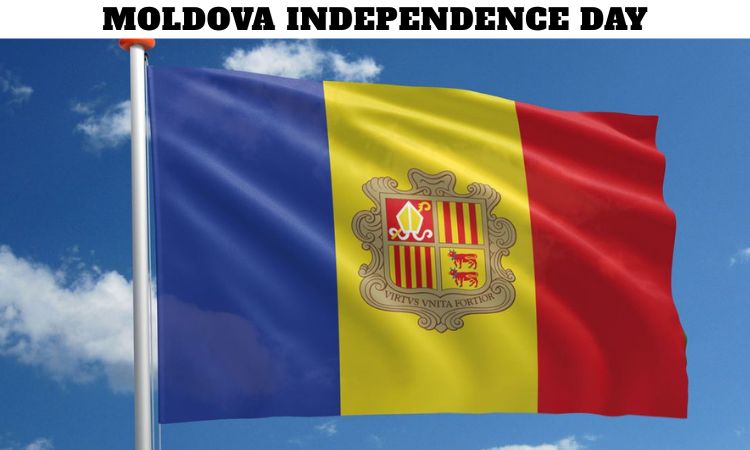
The flag of Moldova consists of three vertical stripes in blue, yellow, and red. The national coat of arms appears in the center of the yellow stripe. It features an eagle holding a cross, along with other traditional heraldic elements.
The national anthem, “Limba noastră,” is another important national symbol. Its title means “Our Language,” reflecting the importance of language and cultural identity in Moldova.
The coat of arms also has historical and cultural significance. It includes an aurochs head, a traditional symbol associated with Moldavian heraldry.
During Independence Day, these symbols help create a strong sense of national identity and remind citizens of Moldova’s history and sovereignty.
What Role Does Chișinău Play in the Celebrations?
Chișinău, Moldova’s capital and largest city, plays a central role in national Independence Day celebrations.
The city often hosts official ceremonies, concerts, cultural performances, public gatherings, and entertainment programs. Central streets and squares may become major gathering places for residents and visitors.
Government officials may participate in commemorative events, while cultural organizations and performers contribute to public celebrations.
For visitors, Independence Day can provide an opportunity to experience Moldovan music, cuisine, traditions, and public culture in a festive environment.
The atmosphere in Chișinău during the holiday can range from formal ceremonies honoring the country’s history to lively concerts and family-oriented activities.
How Does Moldova’s Culture Feature in Independence Day?
Moldovan culture is an important part of Independence Day because national independence is closely connected with questions of cultural identity.
Traditional music, folk dances, clothing, crafts, and cuisine can all feature in celebrations. Moldova has a rich tradition of folk music and dance, with cultural influences reflecting its location in Eastern Europe.
Traditional foods may also be enjoyed during family gatherings and public celebrations. Dishes such as mămăligă, sarmale, placinte, and various meat and vegetable preparations are part of Moldovan culinary culture.
Wine is also an important part of Moldova’s cultural heritage. The country is internationally known for its vineyards and long winemaking tradition.
Independence Day offers an opportunity to showcase these cultural traditions while emphasizing the country’s distinct national identity.
Is Moldova Independence Day a Public Holiday?
Yes. Moldova Independence Day is a national public holiday observed on August 27.
Government offices, schools, banks, and many businesses may close or operate according to holiday schedules. Public transportation and commercial services can also follow special schedules.
Because the holiday falls during the summer, many people use the occasion to spend time with family, attend public events, travel within the country, or simply enjoy a day away from their normal work routine.
What Can People Learn From Moldova Independence Day?
Moldova Independence Day provides an opportunity to learn about the country’s history, culture, political development, and national identity.
The holiday demonstrates how significant political changes can transform the future of a country. Moldova’s independence emerged during the dramatic dissolution of the Soviet Union, making 1991 one of the most important years in the country’s modern history.
The day also encourages reflection on the responsibilities that come with independence. Sovereignty involves more than establishing a separate state; it includes developing effective institutions, protecting national culture, supporting economic development, and building relationships with other countries.
For younger generations, Independence Day can be an opportunity to learn about the struggles and political changes experienced by earlier generations.
How Can People Celebrate Moldova Independence Day?
People can celebrate Moldova Independence Day by learning about the country’s history and culture, participating in local cultural events, listening to Moldovan music, preparing traditional food, or spending time with family and friends.
Those outside Moldova can also participate by exploring Moldovan cuisine, reading about the country’s history, learning about its traditions, or sharing information about the significance of August 27.
Schools and community organizations can use the occasion to introduce students to Moldova’s geography, historical development, national symbols, and cultural heritage.
The most meaningful celebrations do not necessarily require large public events. Understanding why the day exists and appreciating Moldova’s cultural identity can be a meaningful way to observe the occasion.
What Makes Moldova Independence Day Significant Today?
Moldova Independence Day remains significant because it commemorates the foundation of the country’s modern independent state.
Every August 27, Moldovans have an opportunity to look back at the events of 1991 while considering the country’s progress and challenges. The holiday connects history with the present by reminding citizens of the importance of sovereignty, cultural heritage, national unity, and civic responsibility.
It is also a day when Moldova’s traditions and cultural identity can be proudly displayed. Through music, food, language, art, and public celebrations, the country highlights the characteristics that make its national culture distinctive.
Ultimately, Moldova Independence Day is a celebration of freedom, sovereignty, identity, and the continuing development of the Republic of Moldova.
Frequently Asked Questions (FAQs)
1. When is Moldova Independence Day celebrated?
Moldova Independence Day is celebrated every year on August 27.
2. When did Moldova become independent?
Moldova declared independence from the Soviet Union on August 27, 1991.
3. Why does Moldova celebrate Independence Day?
Moldova celebrates Independence Day to commemorate the adoption of its Declaration of Independence in 1991 and the establishment of the modern independent Moldovan state.
4. What is the capital of Moldova?
The capital and largest city of Moldova is Chișinău.
5. Is Moldova Independence Day a public holiday?
Yes. August 27 is a national public holiday in Moldova.
6. How is Moldova Independence Day celebrated?
The holiday is commonly marked by official ceremonies, concerts, cultural performances, public gatherings, exhibitions, and family celebrations.
7. What are the colors of Moldova’s national flag?
Moldova’s national flag features three vertical colors: blue, yellow, and red, with the national coat of arms in the center.
8. What is Moldova’s national anthem?
Moldova’s national anthem is called “Limba noastră,” which translates into English as “Our Language.”
9. What food is associated with Moldovan culture?
Traditional Moldovan cuisine includes foods such as mămăligă, sarmale, placinte, and a variety of meat, vegetable, and dairy-based dishes.
10. What does Moldova Independence Day represent?
Moldova Independence Day represents national sovereignty, freedom, cultural identity, and the country’s declaration of independence from the Soviet Union in 1991.